

10 Of The Best Cabernet Sauvignons For Every Budget
We may receive a commission on purchases made from links.
Cabernet sauvignon is one of the few wines where a perfectly respectable bottle can cost less than your typical Starbucks order, and another can require a second mortgage. The range of quality can also be staggering, and price alone is often a lousy shortcut for deciding what to buy. As an international wine judge and wine writer, I've tasted my share of cab savs, including modestly priced bottles that made me swoon and pricey ones that left me thinking about all the other things I could have bought instead.
Given this vast playing field, I've learned to look for different signals at each price point. A value cabernet sauvignon should be delicious, recognizable, and versatile enough for a weeknight pour. As the price climbs, so do my expectations. I'm looking for a sense of where the wine comes from, some structure, greater flavor concentration, aging potential, or a story that gives the bottle genuine significance. Ideally, I find a combination of all those qualities at once.
This list is a practical ladder through ten price tiers, starting at $5 to 10 and going all the way up to $250. Each entry earns its place based on quality, value within its price range, producer consistency, and how it represents the cabernet sauvignon category overall. Prices are estimates based on current retailer listings and can vary by vintage, store, state, taxes, promotions, and availability.
1. Kirkland Signature Columbia Valley Cabernet Sauvignon
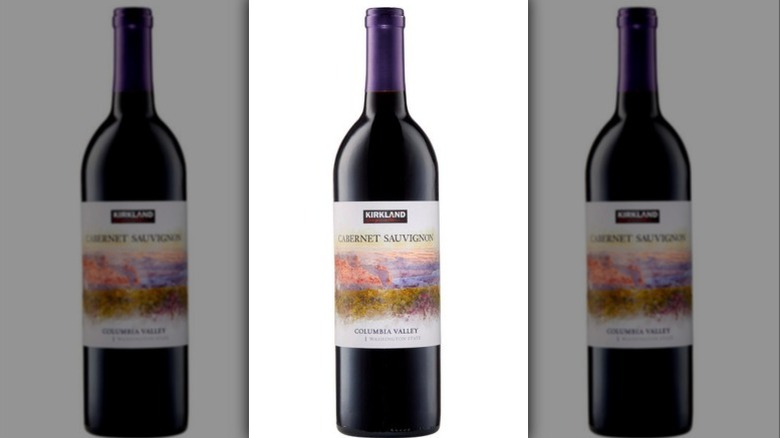
Wines from Costco, like certain products from Trader Joe's, can often take on an almost cult-like status. The Kirkland Signature line is particularly noteworthy: these wines are often made by well-known, respected estates, use fruit from top vineyards, and are private-labeled for Costco. Kirkland Signature's Columbia Valley Cabernet Sauvignon, around $9 a bottle, is one of these retail wine gems. Given the pickings can be slim for high-quality cab in the $5 to 10 range, this one's worth making your new house red.
The value starts with Washington's Columbia Valley, where long, sunny days help cabernet ripen fully, while cool nights preserve acidity in the grapes, giving the wines a freshness that makes them as easy-drinking as they are plush. Costco identifies Brandon Rice as the lead winemaker behind this bottling, and the wine is a great example of the region's ability to deliver generous dark fruit and true cabernet structure without a Napa-sized price tag.
Because it's a Kirkland Signature wine, sometimes availability can be frustratingly location-dependent. If you spot it at your local Costco, grab a few bottles rather than assuming it will still be there on your next run. Like Costco's beloved free samples, the treasure-hunt factor is part of the whole experience, for better or for worse.
2. J. Lohr Estates Seven Oaks Cabernet Sauvignon
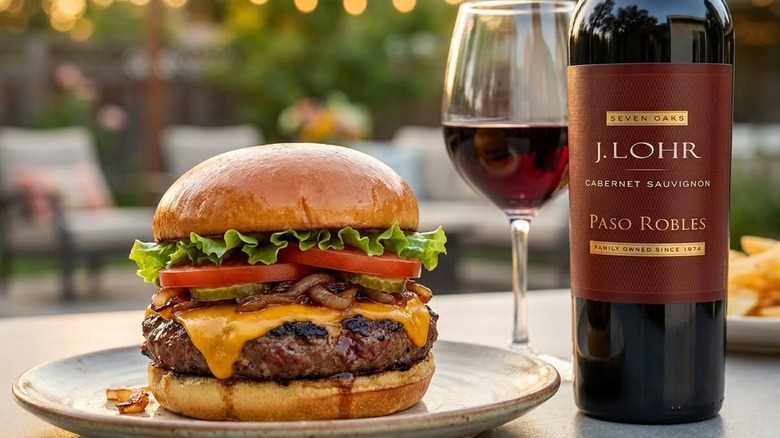
J. Lohr is one of those incredibly consistent producers you can return to again and again. Its wines are widely available, fairly priced, and always versatile — three qualities that deserve more credit in a wine world that sometimes confuses scarcity with greatness. Seven Oaks is the bottle you'll never have to wait for on an allocation list, and it always overdelivers as a great California cabernet sauvignon under $15.
This wine spends 12 months in American oak barrels, which adds yummy notes of baking spice, toasted hazelnuts, and vanilla without overwhelming the wine's juicy plum and black currant fruit. It's a silky, well-balanced, friendly wine that, for around $13 a bottle, will easily please a crowd.
This is also a helpful selection for anyone just beginning to explore wines from the Paso Robles region. It offers all the ripe fruit and oak many wine lovers might expect from Paso reds, while keeping enough structure to match a range of food. Pour it with a cheeseburger, slow-cooked baby back ribs, a weeknight steak, or bring it to your book club that's actually more of a wine club.
3. Juggernaut Hillside Cabernet Sauvignon
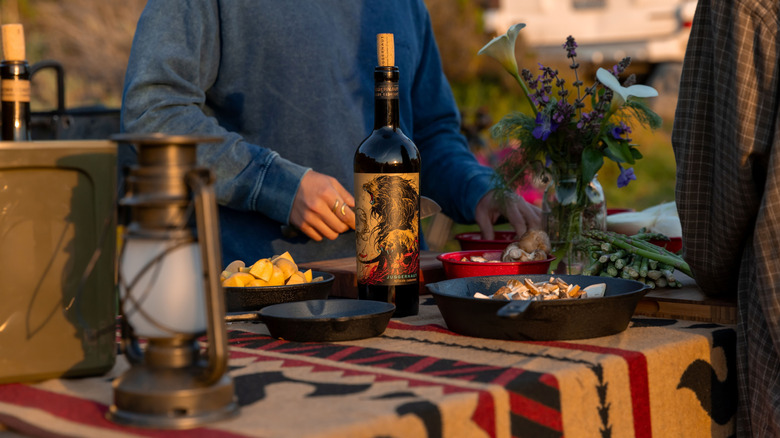
Some cabernet drinkers want elegance and restraint. Others want all the fruit, oak, spice, and attitude, poured alongside a sizzling piece of meat. Juggernaut's Hillside Cabernet Sauvignon understands this second assignment and delivers it all with ease. It's available at many major retailers for under $20 a bottle, rocking label art so cool it's almost worth framing.
The brand was built on the belief that difficult conditions can create the pressure that brings out greatness in wine — much like they do in life. The fruit for this cab comes from hillside vineyards, where rockier soils and limited water force vines to work harder for resources. This naturally reduces yields and concentrates flavor in the grapes. The result? A juicy red wine that, after 11 months in new French oak, is full of ripe black currant fruit and a dense, velvety texture.
This is the bottle you pour for someone who likes big reds. It has enough concentration and body to stand up to your heartiest cuisine, at a price point that keeps it within easy reach for a casual dinner.
4. DAOU Cabernet Sauvignon
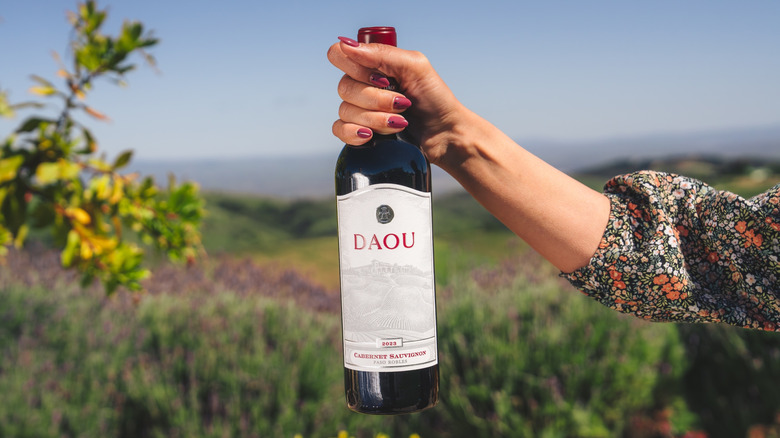
I've long had a soft spot for DAOU, a producer now associated with serious Paso Robles wines. While flagship wines like the iconic Soul of a Lion command special-occasion prices (and are worth the splurge, particularly when someone else is footing the bill), the widely available DAOU Cabernet Sauvignon offers an easy way to experience the winery's signature style for around $26.
DAOU's entry-level cab lands squarely in the plush Paso Robles camp. Its fruit tastes dark and ripe, but a savory herbal edge keeps it from getting jammy. This is a complex, structured wine with just enough tannin to keep it satisfyingly textured without veering into full cottonmouth territory.
This is the kind of cabernet that serves a particularly useful purpose. It's in that $20 to 30 range that's serious enough for a special occasion or gift, but remains affordable for an everyday indulgence. Sometimes just making it through the work week is all the reason you need. Serve this one with a pot roast, barbecue beef short ribs, or some woodsy, grilled mushroom tacos.
5. Sequoia Grove Napa Valley Cabernet Sauvignon
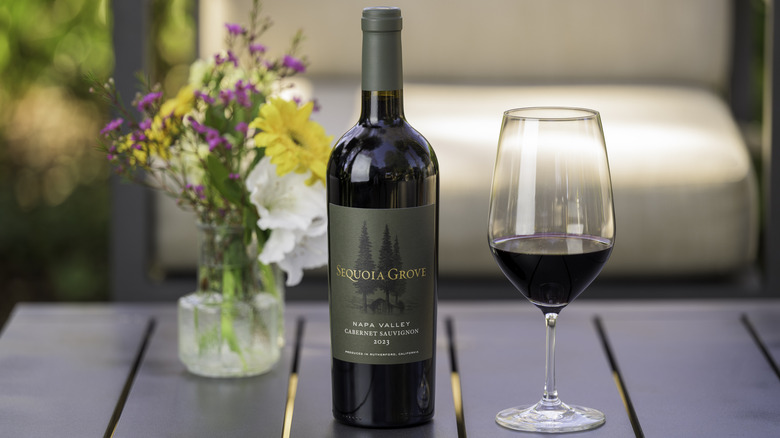
Finding a serious Napa Valley cab sav for less than $50 has become the wine shopper's Holy Grail. Beyond its forgiving price tag, what makes Sequoia Grove's Napa Cabernet Sauvignon stand out is that much of its fruit comes from Rutherford, one of Napa's most celebrated — and expensive — areas for cabernet sauvignon. Sequoia Grove also relies primarily on estate fruit and close, long-term relationships with local growers, which gives the team more control over quality and cost and explains how this wine still lands around $45.
Rutherford cab is famous for something wine lovers call "Rutherford dust." Despite the name, there's no actual dust involved. The term describes how the region's distinctive soils shape the wine, creating a rich, earthy character and a fine, slightly drying sensation reminiscent of high-quality bittersweet chocolate. Sequoia Grove's Cabernet has that in spades, but it gets refreshing brightness from juicy berry fruit, which keeps it in balance.
This is more than a great cab for the money. It offers a recognizable taste of a celebrated place that's associated with far more expensive bottles, which is something we should all drink to.
6. Jordan Alexander Valley Cabernet Sauvignon
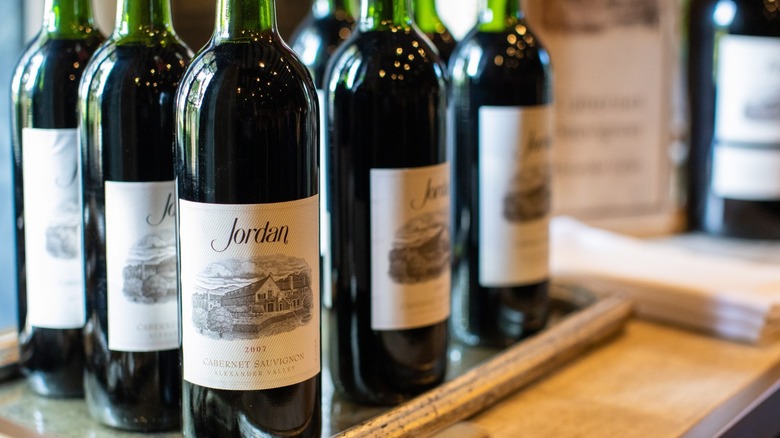
Jordan Alexander Valley Cabernet Sauvignon makes two solid arguments in one bottle: that some of the best California cabernet comes from Alexander Valley in Sonoma and that cabernet sauvignon doesn't need a porterhouse steak and a special occasion to do its job. Jordan has been making two wines — cab and chardonnay — in the same food-first style since the 1970s, favoring freshness and elegance over sheer heft. This wine usually clocks in under 14% ABV, a welcome departure from many California reds that can creep well past 14.5%.
It has plenty of ripe berry fruit, but also a wonderful savory quality, with oak notes that lean more Old World. The winery itself looks like a French chateau, and the wines drink as if they came from one as well. This wine belongs at the dinner table, paired with everything from simple roast chicken, steak, and pasta to a creative cheese and charcuterie board.
Part of what you buy at around $70 is time. Jordan ages the current vintage for 37 months before release, so it arrives already fully composed rather than asking you to lay it down for additional time, though that works as well. There's also something to be said for an estate that focuses exclusively on two wines: When you spend more than five decades refining something, you tend to get pretty good at it.
7. Chateau Montelena Napa Valley Cabernet Sauvignon
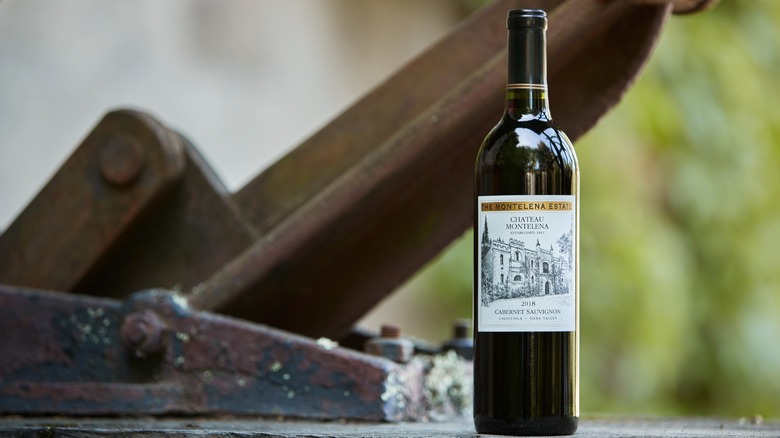
Chateau Montelena is so closely linked to the 1976 Judgment of Paris, the blind tasting that forced the wine world to take California seriously, that it is easy to forget that the winning bottle was chardonnay. The Calistoga winery's cabernet sauvignon has built its own reputation over the five decades since, and this $100 Napa Valley bottling is an attainable way into that history (Montelena's estate cabernet costs about twice as much).
This wine isn't designed to bowl you over with one oaky sip. It has the richness you expect from Napa, plus an earthy, umami note and enough tannin to improve with time. It's the kind of wine you may want to decant or aerate if it's young, so it begins to relax a bit before hitting your lips. This cabernet rewards patience, whether measured in minutes or years.
If your budget allows, buy two bottles. Drink one with dinner and let the other rest for five to ten years (stored properly, of course) for a master class in wine's remarkable evolution over time. Montelena has tracked vintages and made age-worthy wines for half a century, which makes that second bottle feel like a sure thing.
8. Baldacci Family Vineyards Black Label Cabernet Sauvignon
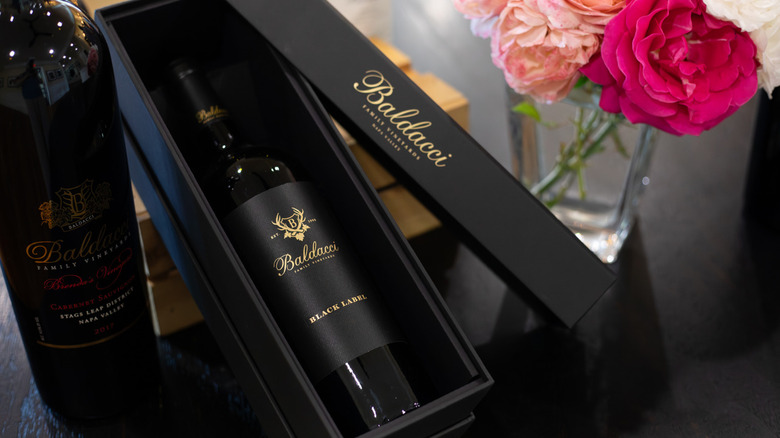
As a wine professional, I taste a lot of cabernet, so my memory has become one of my most reliable filters. Did the wine stay with me, or did it disappear from my mind by the next tasting? Months after trying Baldacci's Black Label Cabernet Sauvignon, I could still conjure up the taste: brooding berry fruit and balsamic notes, perfectly integrated oak, and a backbone of freshness that kept the wine lighter on its feet than one might expect from a cabernet of this weight in the $100 to 150 range.
That freshness is a Stags Leap District hallmark. The best cabs from this tiny appellation are famous for delivering power without tedium, and Black Label makes this idea easy to understand in one sip. The Baldacci family farms its Winery Ranch vineyard organically, then bottles this wine entirely from estate-grown cabernet sauvignon. While it spends 22 months in French Oak, it by no means tastes like a lumberyard. The fruit and floral notes come through beautifully.
At about $125, this is not an impulse purchase. It's the bottle I'd choose when I want Napa luxury to feel personal, family-owned, tied to a place, and, most importantly, memorable.
9. Don Melchor Cabernet Sauvignon
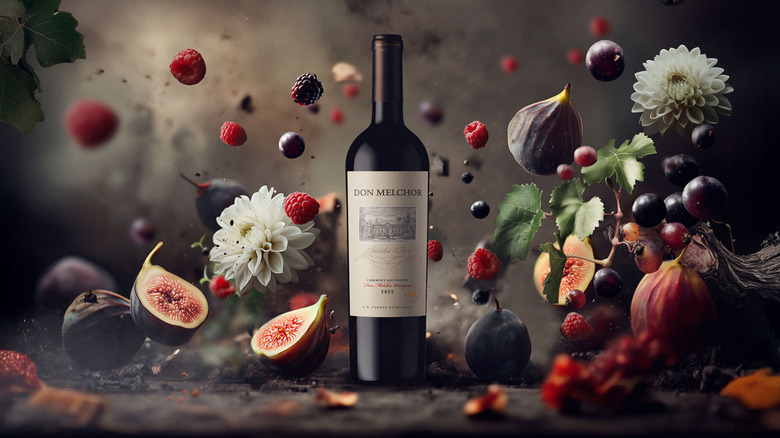
Don Melchor Cabernet Sauvignon is the comeback to anyone who says Chile's only trick is bargain wines. This bottle helped establish the country's fine-wine credentials. It comes from Puente Alto, at the foot of the Andes, where cooling mountain air and gravelly, well-draining soils have made the area one of South America's great regions for cabernet sauvignon.
While by no means cheap, at $185, it is still a bargain for a wine under $200, given it can play in the same league as some far pricier bottles from other regions in France and California. You're also paying for decades of work that made this the exceptional wine it is. Technical director Enrique Tirado has spent nearly 30 years studying the vineyard, divided into seven main parcels and 151 smaller plots. The team manages and evaluates those lots separately, then creates the final blend based on how each performed in that vintage. It's a 151-piece cabernet puzzle with a different solution every year.
The wine lives up to this painstaking approach. It's layered and heady, with blackberry, mocha, and just the right amount of earthiness, while still maintaining elegance and a lively personality. It doesn't taste like Chile trying to imitate Napa. It tastes like an extraordinary Chilean vineyard that deserves its own spotlight.
10. Stag's Leap Wine Cellars S.L.V. Cabernet Sauvignon
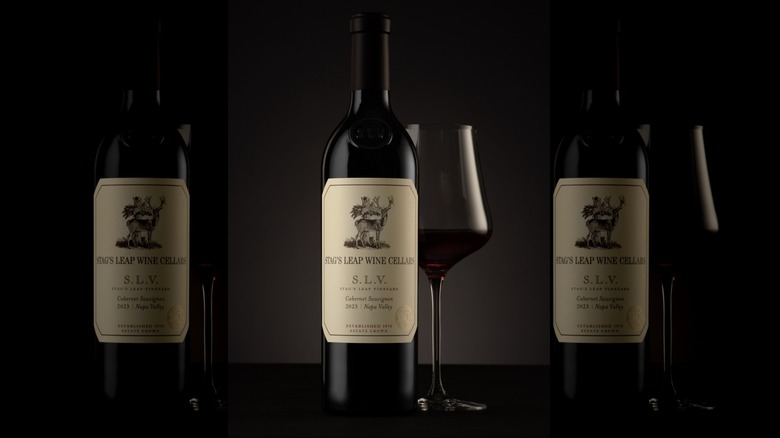
Spending $250 on fermented grape juice is objectively wild, so the wine had better deliver more than a heavy bottle and a fancy wooden box. Thankfully, Stag's Leap Wine Cellar's S.L.V. does. The 1973 vintage of this cabernet sauvignon beat top Bordeaux wines at the 1976 Judgment of Paris, effectively changing the California wine industry forever. A bottle from that winning vintage now sits in the Smithsonian.
What makes this more than a page in a history book is that Block 4, planted in 1972, still contributes fruit to the wine today, meaning the vines for the 2023 vintage were already in the ground when the game-changing 1973 cabernet was harvested. The current release is unapologetically young: Its firm grip dominates, with dark fruit underneath. This is a bottle to cellar for a few years, or to seek in an older vintage if patience isn't your strong suit.
Is it worth $250? Well, keep in mind some celebrated cabs fetch north of four figures at standard release. It also depends on whether you want cabernet — or cabernet that has played a legitimate role in American history. There are plenty of delicious wines on this list for far less. S.L.V. is for the wine lover who wants to cellar a descendant of the bottle that changed how the world saw Napa. That may not be an everyday value, but it's certainly a real one.
Methodology
I selected these wines using my experience as a wine writer, consultant, and international wine judge, and approached each one as an independent recommendation. I did not evaluate the wines together in a single tasting. Each one had to deliver a combination of quality, typicity, balance, producer story and track record, and value for money.
I also considered practical usefulness. At lower tiers, wide distribution and consistency weighed more heavily because a bargain isn't particularly useful if no one can find the wine. At higher prices, I looked for stronger site expression, cellar potential, historical significance, or a demonstrable increase in complexity, concentration, and finish.
I checked retail links and prices at the time of drafting. Alcohol distribution rules, retailer inventory, vintage changes, membership requirements, and location-based pricing can all affect what a reader sees. Treat the listed price as a current estimate.