

Silky Smooth Cocktails Start With This Type Of Vodka
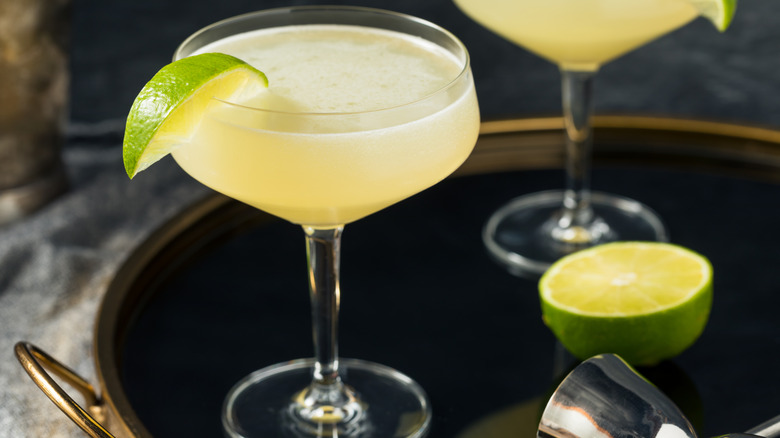
When you're deciding what kind of vodka to use for a cocktail, whether that's a vodka gimlet or another popular drink like an espresso martini or Moscow mule, there are some factors to take into account. And while you might consider such aspects as what the vodka was distilled from or the distillation method the producer used, one key factor that can help make your cocktail silky smooth is to choose filtered vodka — and to be aware of what filtration method was used.
To start, distillers use various filtration systems (with the most common being charcoal filtration), to help remove impurities, off-flavors, and chemical by-products of distillation called congeners, which add flavor and aroma (and can also make hangovers worse). Filtration also improves vodka's mouthfeel, which is an important element with a neutral grain spirit where flavor isn't a huge factor.
You might want some congeners left in (to a point) if you're drinking vodka neat, on the rocks, or even in something like a martini where subtle flavors can enhance the drinking experience. But in most cocktails, you want the other ingredients to shine with the vodka there to hold everything together and mouthfeel is important for this. Different filtration methods can subtly affect the end product in areas like texture imparting either a creamier feel or a crisp finish.
Pairing filtration method to your cocktail choice

The filtration method itself can actually affect the end vodka product. For instance, the use of metal filters may impart a creamier mouthfeel while chill filtration can result in a crisper finish. Because of this, you may want to choose a specific filtration method for the kinds of cocktails you most often enjoy (brands often list the filtration method on the bottle). If you're more apt to drink a citrus-based vodka cocktail, like a cosmopolitan or gimlet, go with a vodka with a crisper finish. If you're inclined towards vodka cocktails like a white Russian or an espresso martini, a vodka with a creamier mouthfeel would be a good fit. If you're looking for a vodka that can cover either of these extremes, a charcoal-filtered vodka tends to sit somewhere in the middle.
The number of times the vodka was filtered can also affect the drinking experience, with more filtration resulting in a spirit with a thinner mouthfeel. If the vodka has been distilled or filtered numerous times, it may be a bit of a gimmick, as is the use of some types of filters like crushed diamonds (yes, this is a real thing). Still, as you can see, choosing a filtered vodka, and even the kind of filtration used in its production, can help elevate your next sip (along with using other high-quality ingredients).