

Is Your Fridge Leaking? Check Your Ice Maker First
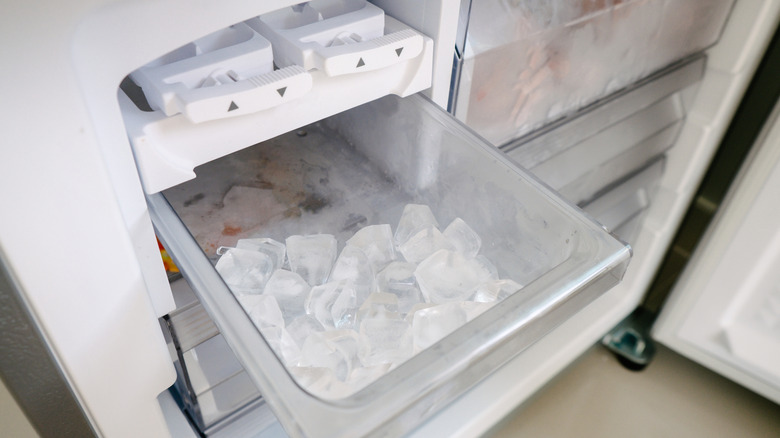
A fridge is one of the most expensive appliances you can buy for your kitchen, so seeing it leak can be alarming, especially if it's less than 12 years old, the average lifespan of a refrigerator. But before you panic and call a technician, check your ice maker first, as that might be the sneaky culprit. You can inspect the water lines and see if there's anything amiss. A minor leak at the back might be a clue that you have loose water lines. It's a quick fix; simply tighten them with an adjustable wrench. If they're visibly damaged by cracks or worn down, a replacement may be in order, which means you have to call a professional.
Ice clump build-up can be another factor, which you can spot at the dispenser chute or ice bin. It could be the case if there's a puddle in front of your appliance. You can unblock smaller chunks by using common kitchen tools like a plastic rice paddle or a spatula for less accessible corners. However, if you're dealing with bigger pieces of ice, you have no choice but to let them melt on their own. Alternatively, you can also check if the ice tray and spigot are improperly aligned, which pours the water directly into the ice maker instead of into the cup. This results in the water accumulating in the wrong place, causing it to drip from your fridge before it even turns to ice. On the bright side, you just have to position the tray and spigot correctly, making sure to check if the water goes into the right place.
Leak-causing issues that mean you need professional help or a new fridge
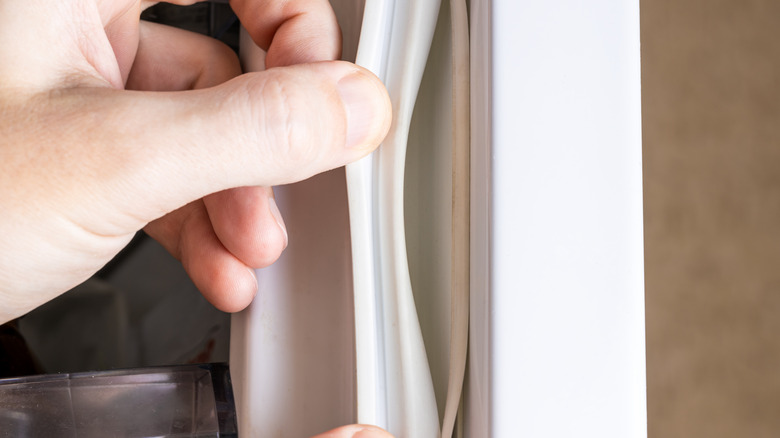
It's also possible that something as easy as a damaged door seal could be causing the leakage from your fridge, especially if you feel a cold draft emanating from the closed doors. This exposure can lead to condensation in the fridge's interior, which can create a leak over time. While you can definitely do it by yourself, calling a professional might be best if you need it done fast, especially if you've just done a grocery run. It might also eventually cost you more if it's not done properly. A simple damage to the drain pan can be another likely cause, and you can confirm it by checking if the leakage is at the bottom-middle section. Since different types of fridges have varying drain pans, it's another problem that might be best trusted to expert technicians.
Frost can cause leaking, too, which may be a sign to replace your refrigerator. But don't panic just yet. It could mean a lot of things, including leaving the fridge door open or having poor ventilation from overcrowding. However, if it happens often even after you've just defrosted it a few days before, that can signal a bigger issue with the defrost system, especially if you see thick chunks of ice inside your fridge. Contacting a professional to replace it is your next course of action. If it happens often and you find yourself racking up an expensive bill every time someone comes over to fix it, the next step might be to know how to properly dispose of your large kitchen appliance and go to the nearest store to get a brand-new fridge.