

18 Pantry Staples Every Kitchen Should Always Have Stocked

We may receive a commission on purchases made from links.
Stocking your pantry is an art and a science. It's also a dynamic and deeply personal endeavor. In general, you want an inventory that can amount to a few different recipes, particularly when you haven't had time to run to the market, or some ingredient is unexpectedly past its prime. But the chili ingredients that my household likes to stock every fall might not comport with your own autumnal desires, nor may the surplus of dried peppers in my cabinet appeal to your palate. So, while the items below achieve their intended purpose — creating tasty plates on a whim — there are some goods you can swap with whatever's more relevant to your own preferences.
I'm also using the notion of "pantry" staples pretty conservatively, meaning shelf-stable foodstuffs you can more or less unpack and forget about until it's time to crack 'em open (within reason). I've also mostly left vegetables to the freezer since something like frozen peas typically performs better than canned, but you might keep a jar of marinated artichoke hearts or asparagus around. It's all deliciously subjective, and, with a little planning, deliciously prepared, too.
Extra virgin olive oil
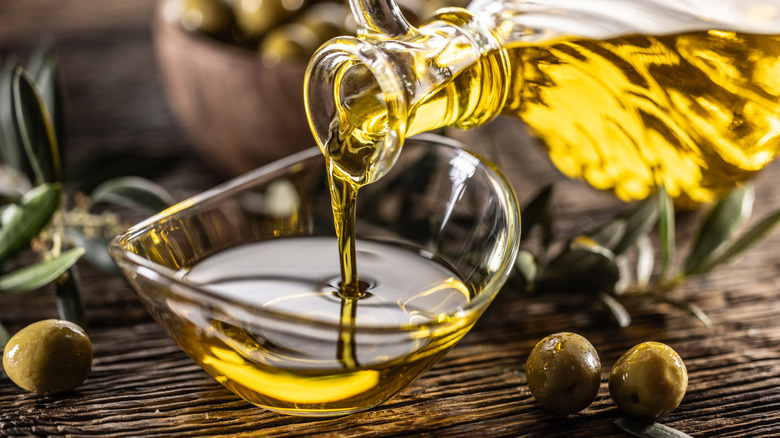
EVOO is the way to go when you only want to make room for one pantry-compatible cooking fat. It roasts, it sautes, it pan-fries, and it finishes all manner of dishes with actual flavor. It's also ideal in dressings and marinades, and, together with whatever else you have kicking around, it can transform half a box of old pasta into a proper dinner. You should typically use it up within about three months of opening, but that shouldn't be too hard with all of these use cases. Our olive oil buying guide helps you find the best bottle.
Pasta
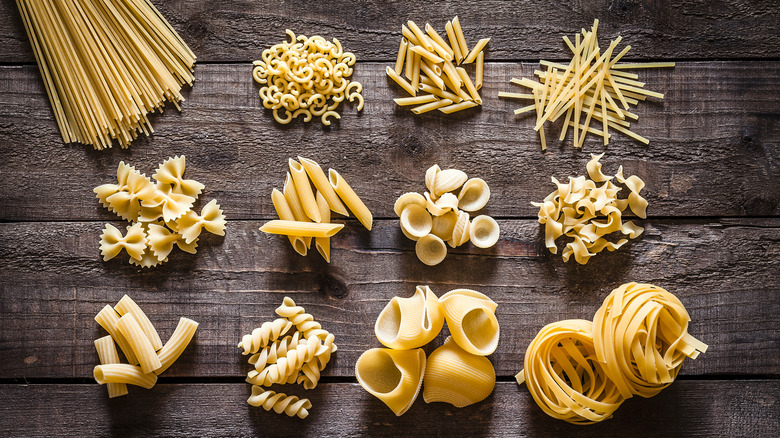
Speaking of pasta, a $2 box is one of the best ingredient investments one can make. Just grab whatever's on sale, or whatever shape you're used to cooking with. In my home, that often alternates between rigatoni and spaghetti. I combine the former with peas and hot Italian sausage, and I often toss the latter with canned crab, stovetop-toasted breadcrumbs, and red pepper flakes. It all gets a hearty swirl of EVOO in either case, an admitted upgrade from fresh parm.
Canned tuna
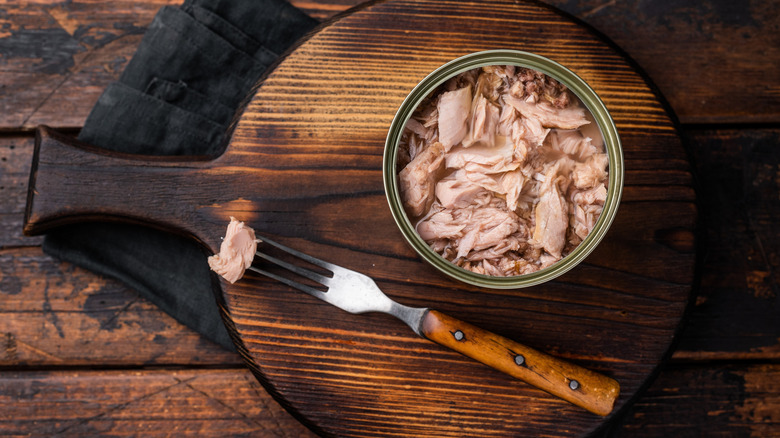
Tinned fish is tops for introducing flavorful protein to pastas, and tuna is among the most versatile for oodles of other applications. It's also excellent with rice and other grains, in casseroles, and as the titular star in tons of tuna salad variations. This can be your primary preserved seafood, or in addition to whatever other tins of fish you fancy. I like Fishwife Smoky Trio (Trout, Salmon & Mackerel), which happens to sell in a (somewhat spendy) set.
Anchovies
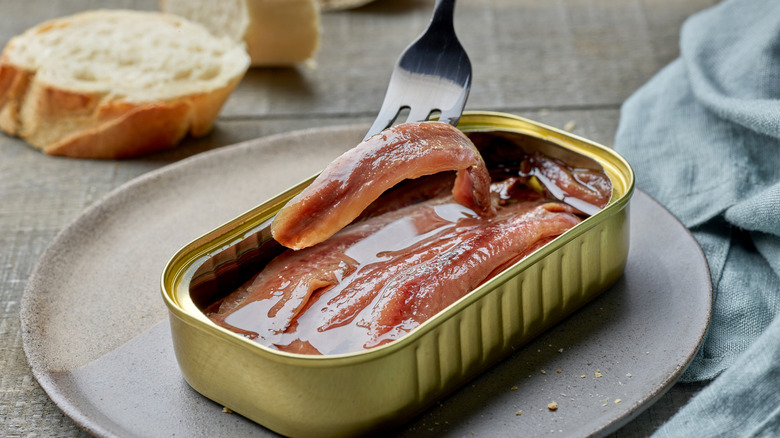
These little swimmers are often the invisible key to revving up umami where you'd guess. Their naturally occurring monosodium glutamate is often the unseen element that gives a plate its savory depth. They physically disappear into virtually everything they meet when properly pulverized, with sauces being a particularly popular anchovy canvas. That's also why they're so great as a pantry item. A few go a long way, so we also have other creative ways to use anchovies once you open a can.
Dried mushrooms
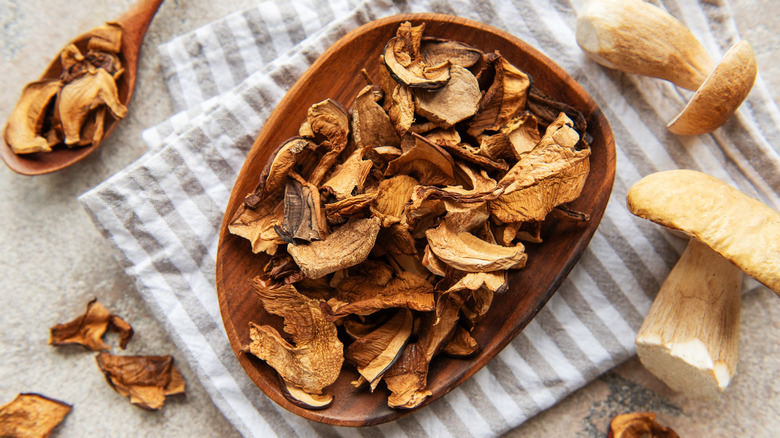
While my husband loves a canned mushroom for his homemade pizzas, and there are also plenty of frozen options on the market, dried mushrooms just make pantry meals seem more elegant. Satchels range from the everyday to some pretty fancy fungi. These, too, are an excellent source of umami for your all-season primaveras, nicer-than-normal scrambled eggs, and dressier ramen — after a pretty hands-off soak to plump them back up.
Unsalted chicken broth
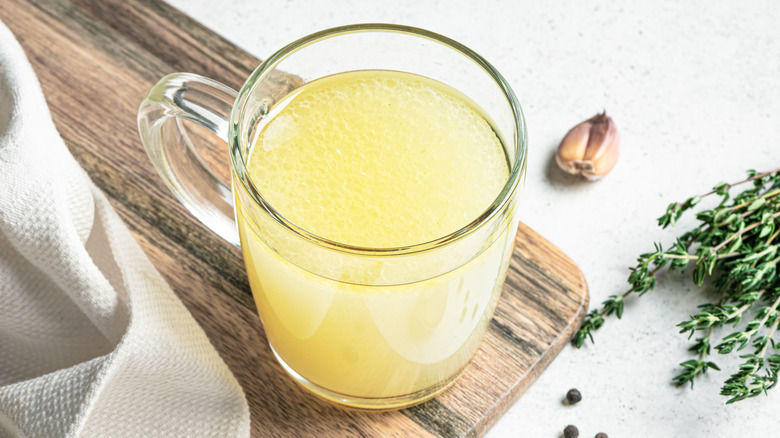
Every new home should come with a carton of chicken broth, handy as it can be. This is, of course, an obvious soup base, but it's also an excellent de facto cooking liquid for pretty much whatever needs one: scampi, braised cabbage, and almost anything you don't want to sacrifice your white wine for. Chicken broth is also a pretty easy trick for giving a little oomph to rice and mashed potatoes. Unsalted gives you more leeway to season it to your liking.
Rice
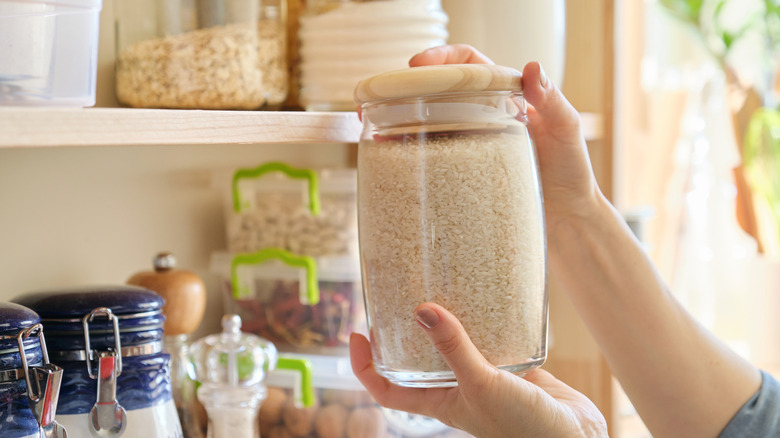
You can pair rice with literally anything. You can use it as an entree anchor, steam it as a side, and create something pretty good out of rice and a few other things you choose practically at random. It would be silly to enumerate all of the possibilities, but it's nice with the aforementioned tinned fish and your favorite seasonings. It's also brilliant for stuffing a lot of the veggies you might need to finish, and I made a bit with kimchi, soy sauce, sesame seeds, and a soft-boiled egg. Buy the kind you like.
Whole peeled tomatoes
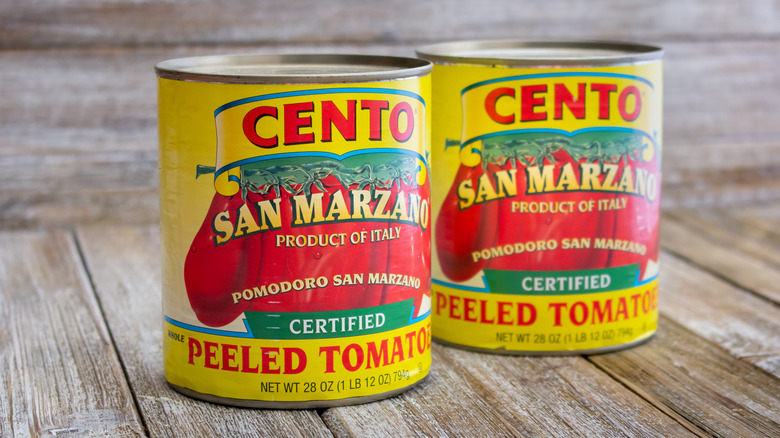
Find a canned tomato brand you love (San Marzanos are a preferred splurge), and you'll be swimming in three-ingredient pasta sauce, certain curries, stews, and weekend-worthy breakfasts, such as shakshuka, until it's time to restock.
Black beans
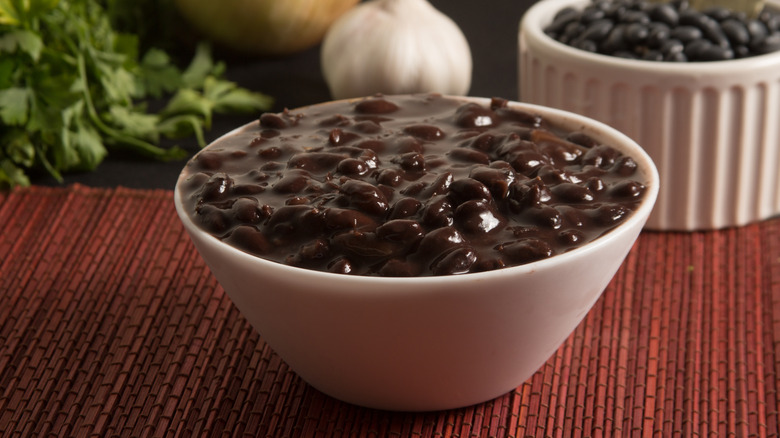
Rice's best friend is also lovely on its own (with a few shakes from your spice rack), tossed into practically any kind of salad, or as the foundation of a meat-free burger. Black beans are also a buoyantly textured way to get a little extra protein into whatever you're whipping up. Even the least experienced home cooks can find something to do with a can of black beans.
Spam
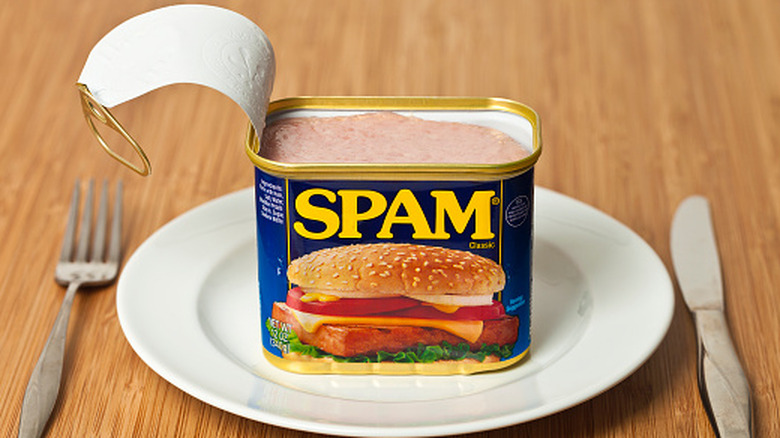
This is the "turf" to your pantry's tinned fish "surf." Pork-based Spam can do it all. Wrap it with rice in a seaweed strip for a classic musubi, swap it into a carbonara, fold it into an omelet — the salty, meaty options abound.
Lentils
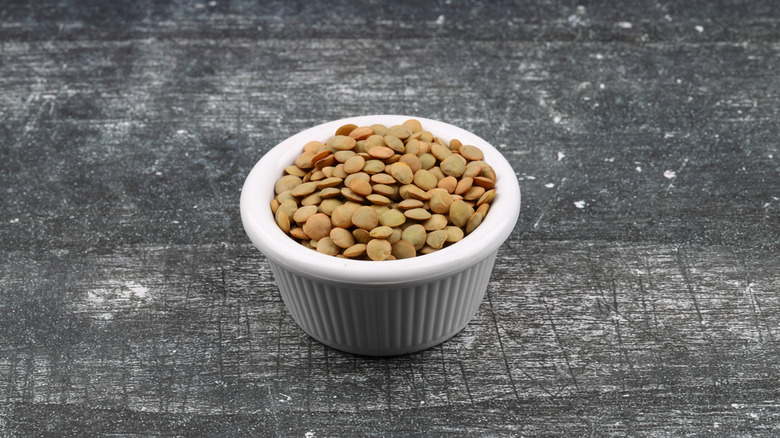
A workhorse as reliable as your pasta, rice, and beans, lentils are equally adept at leading a hot, comforting soup or stew, a cold, refreshing salad, and standing in as a meat-free source of protein whenever you might want one.
Chipotle peppers in adobo
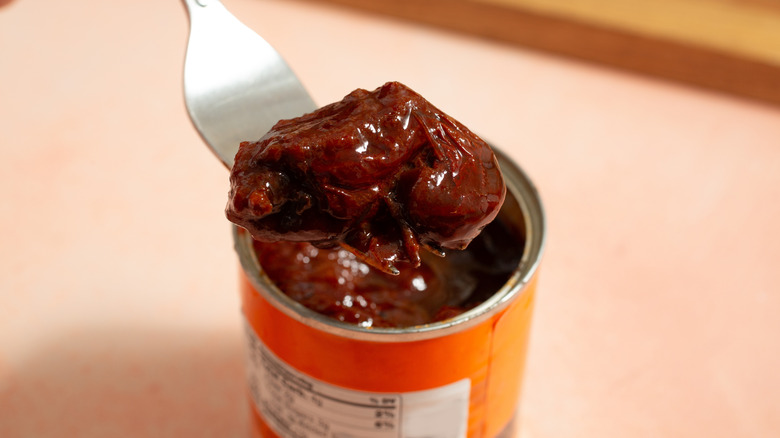
We use these smoky, hot, dried (but soft), and sauce-soaked jalapeños a lot. They gain automatic entry to any chili recipe we might be trying out, they can make your rice and beans taste like something you've been cooking for half a day, and honestly, the adobo sauce in the Goya variety we buy is better than a lot of the similarly fiery condiments we also have in the refrigerator.
Tabasco sauce
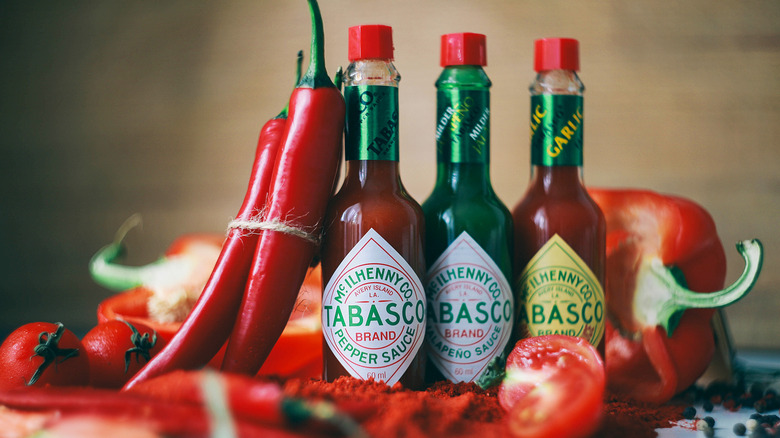
It's good to have a dedicated hot sauce on hand, and Tabasco is shelf stable, even after opening. Heck, even the one I used to keep on my keychain never went bad at the bottom of my bag.
Almonds

Need just a little bit of an immediate salty snack? Almonds. Salad's absent texture? Almonds. Want to make those boxed brownies seem homemade? Bash up some almonds. A jar, bag, or canister of almonds is also excellent if you live the kind of sitcom life where friends just pop by. Put a bowl of almonds out, and they'll keep coming back, whether you want them to or not.
Granulated sugar
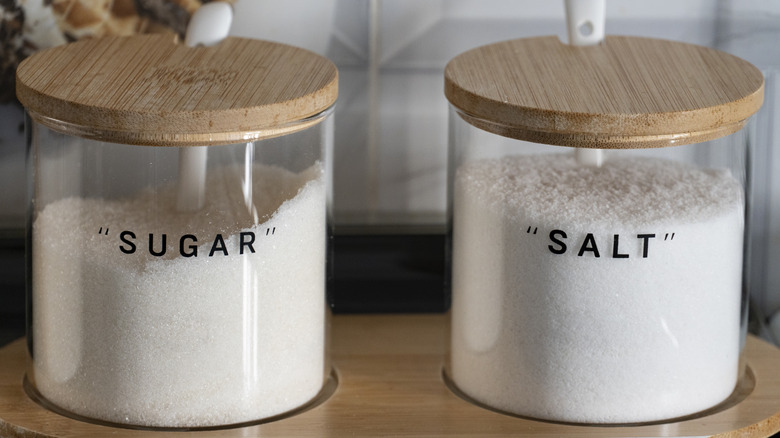
Baking ingredients generally merit their own kind of pantry section, but there are some crossover occasions that straddle the baking/cooking line. Most marinades call for some kind of sweetener, such as sugar. It can occasionally advance caramelization, and some folks swear by it to cut the acidity of tomato sauce or gravy, among other things. It also lasts practically forever, so you may as well make room for even a small amount.
Flour
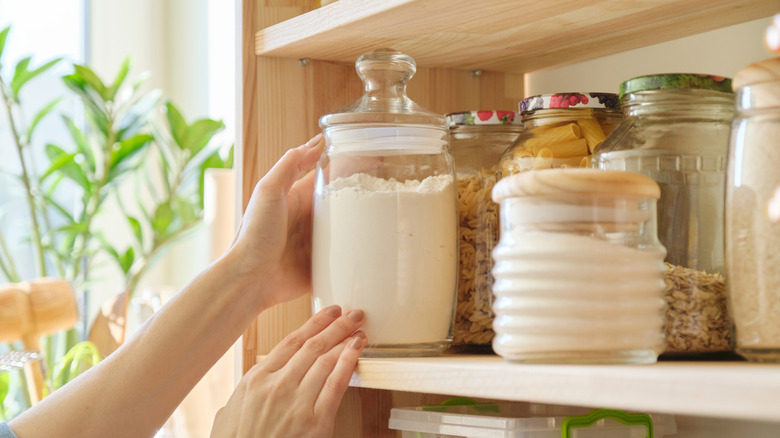
Another ingredient you may more closely associate with baking, flour can also thicken sauces, serve as a reliable binder, is practically compulsory for dredging, and is typically required for a roux. You can also make your own tortillas with just a few cups of flour, lard, salt, baking powder, and tap water to serve with rice and beans.
White vinegar

Another thing marinades require for any chance at tenderizing is acid. White vinegar doesn't compete with other ingredients like an apple cider or red wine version might. Those can be great, but if you're only keeping one around, white's just fine. You can also use it for pickling, or balancing out the accidental addition of too much sugar or salt.
Soy sauce
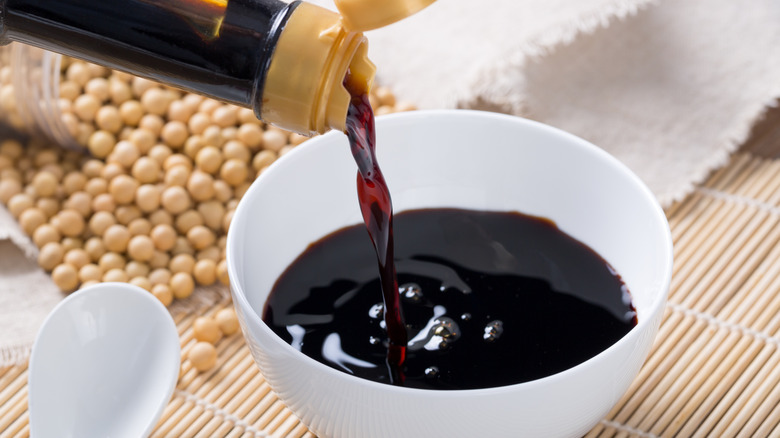
Like baking staples, condiments often require their own shelf. Many also require refrigeration after opening. Similar to Tabasco, soy sauce doesn't, plus it has plenty of uses in recipes before you even begin tipping it on as a flavorful finisher.