

What Happens To Unsold Or Returned Amazon Kitchen Items?
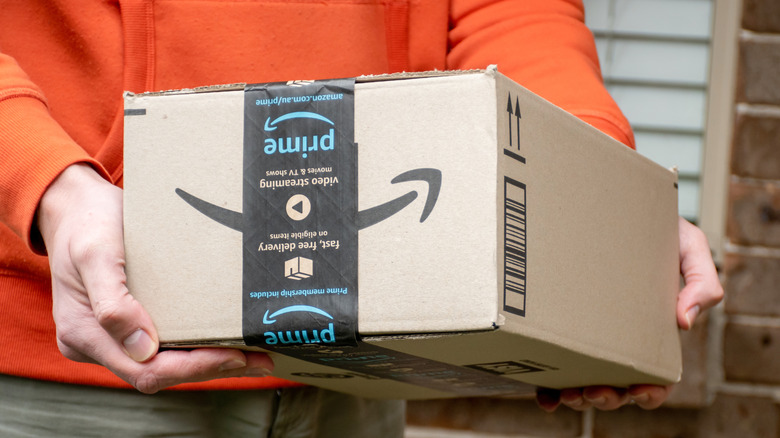
So you bought a rice cooker from Amazon and sent it back because it didn't fit on your counter. What exactly happens to it after it gets back to the warehouse? Unfortunately, there's not really one simple answer here, as Amazon isn't overly forthcoming with information about what it does with returns. That said, there's enough info out there to try to piece things together (take note: Whole Foods, an Amazon company, has an entirely different process.)
There are a few main paths that a return can take: Resale (or refurbishment and then resale), liquidation (where it may be resold by an external party), donation, or the item simply being destroyed and/or thrown away. One of the more detailed looks at Amazon's returns processing came from a 2020 Canadian investigation where GPS trackers were hidden inside everyday purchases like a coffee machine that were returned to Amazon Canada. The TV network behind this investigation returned 12 items, and found that several months later, only four were resold. The rest sat around in warehouses (or were moved between them), or were liquidated at auctions, something Costco also does. This means they're sold off in bulk to resellers, who sometimes buy whole pallets of goods without knowing what's inside (they can contain both returned or unsold items).
But destruction seems to be not unheard of: Another investigation in Scotland featured a former warehouse staffer who claimed that one warehouse alone had a quota of 130,000 items per week marked for destruction. This included both returned and unsold goods.
But are these kitchen items or everything?
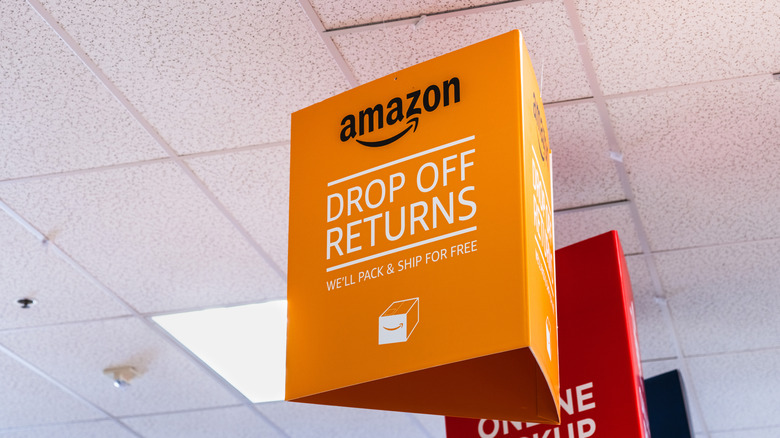
There's not really a clear way to say if Amazon handles unsold or returned kitchen items any differently than other types of products, as there's no data specific for this individual category. That said, educated guesses are possible. A former Amazon employee who spoke with CNBC suggested that low-cost items (so, for example, your spatulas or ice cube trays) were unlikely to be resold, as it wouldn't be worth the time to inspect and re-list them.
So, those cheap odds and ends are more likely to be thrown away, donated, or end up on liquidation pallets. More expensive items may get resold, but to be resold as a "new" item, they have to be in near-perfect condition. However, as that Scottish investigation found, high-end items from brands like Dyson could also end up marked for landfill, and there didn't necessarily appear to be much rationale for when and why this would happen.
Unsurprisingly, some of these revelations about Amazon throwing away perfectly good appliances weren't well-received, so in 2021 the company said it had set a goal to no longer throw items away. A platform for selling returned items as "used" was launched, and new marketplaces for liquidation were started up. Amazon also launched a new donation program for sellers who had goods stored in warehouses. However, in 2025, Amazon still wouldn't give a timeline for its zero-throwaway goal, and logistics software provider Optoro estimated that in 2023, Amazon sent nearly 8.4 billion pounds of return items to landfills. So there's little telling whether that unwanted rice cooker found a loving home or was buried in a trash heap.