

5 Reasons Mac And Cheese Always Tastes Better At A Restaurant
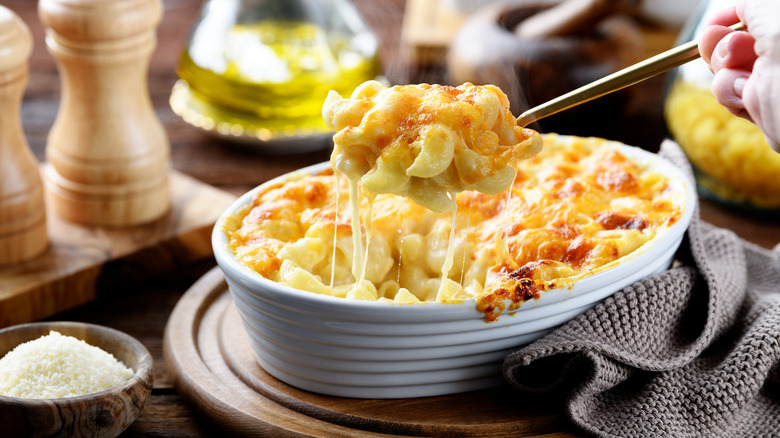
Macaroni and cheese is the king of comfort foods, but like many foods, no matter how close you follow a recipe, it usually comes out at least a bit (if not a whole lot) better when you order it at a restaurant and have someone else do the heavy lifting for you. If you've ever wondered why that is, don't feel bad — you're not alone. It's a perfectly valid question, so Chowhound reached out to some experts to find out what is behind this phenomenon. We spoke with Eric Rowse, lead chef-instructor of culinary arts at the Institute of Culinary Education, and chef Hamilton Johnson from Mallard in Washington D.C., both of whom had some great insight to share.
Restaurant food doesn't just taste better because someone else is doing all the work for you. If you feel like restaurant chefs are outshining your own work, it's probably because the people behind your food are well-trained professionals who know all the ins and outs of how to make the dishes they serve. Macaroni and cheese doesn't sound that complicated — it's just cheese sauce and noodles, right? But it's the simple things that can trip you up in the kitchen, so read on to learn about the techniques these chefs use to make deliciously rich and creamy macaroni and cheese every time.
The pasta water is more important than you may realize
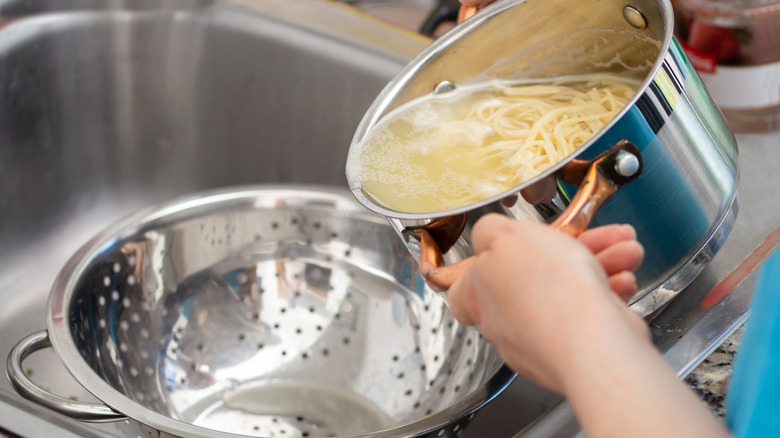
Chef Eric Rowse is familiar with making macaroni and cheese in the oven and on the stovetop, and he adjusts his technique depending on which method he is using. But in a restaurant setting, both techniques involve having cooked pasta on hand to keep up with the fast pace of putting food out in a restaurant. At home, you won't need to worry about that, but part of the pasta cooking technique is still key to your success.
When you boil a package of store-bought pasta, the directions on the package say to drain it. What it doesn't tell you is how important that water is and that you should probably be saving some of it. That leftover pasta water is a kitchen superhero. It has all the starch that gets pulled out during the cooking process, and it works as a binding agent, so your sauce sticks to the pasta.
You don't need to reserve all the water for the macaroni; you can freeze the rest and save it for later. "In a pan sized appropriately for the amount, I add my noodles, a splash of the pasta water, and some cream," says Rowse. He follows that up with his cheese and folds everything together until it's well mixed and all the ingredients are nice and hot. He'll add a little extra cream if the sauce gets too thick before serving it.
Don't forget the starch
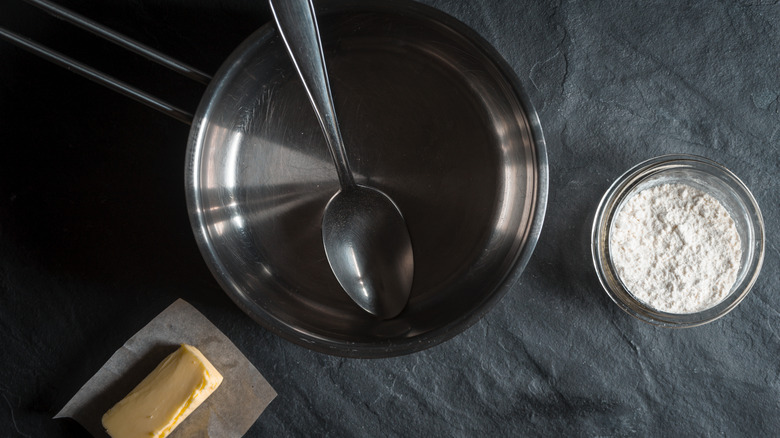
Whether he is baking his macaroni and cheese in the oven or cooking it on the stovetop, chef Eric Rowse never forgets about the importance of starch in making this dish. "A lot of people just keep adding cheese to the milk, but it separates and gets grainy," he says, pointing out a common mistake that cooks often make. "The starch in the roux or pasta water helps bind everything together and is an essential step for the best result."
Making a roux is an integral part of making a macaroni and cheese that isn't just cooked noodles and globs of melted cheese. You make one by mixing flour with fat, like butter or milk, and that gives you the base of your cheese sauce. It's a classic technique that uses the starchiness of the flour to bind the rest of the ingredients and thicken a sauce — the process of heating the flour with the fat activates its binding power and cooks out the raw taste of it so you end up with a rich and flavorful base to build a creamy sauce.
Choosing your pasta is a personal choice, but some pastas have an advantage
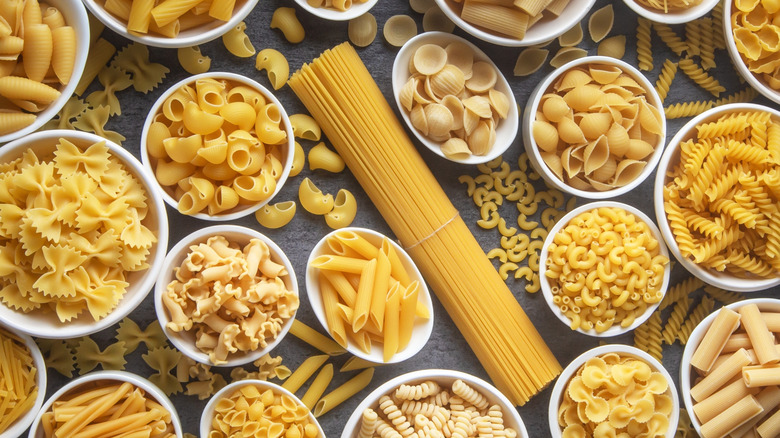
Macaroni and cheese kind of implies that the dish is supposed to have macaroni. But cooks are nothing if not creative, and just because it's in the name doesn't mean you have to go with the plain elbow macaroni that comes out of the blue box we are all familiar with. In fact, it doesn't have to be a kind of macaroni at all. If you think that pasta is pasta and it doesn't really matter, think about all the different pastas available and the way different shapes and textures will interact with the creamy sauce.
Chef Hamilton Johnson likes to use a ribbed elbow-style macaroni because, as he says, it "helps capture all the sauce." He also has a few tricks up his sleeve for how he cooks those noodles when he is making a creamy mac and cheese. He doesn't just cook the noodles and then mix them with the sauce. He boils them until they are a bit underdone and then finishes them off in the sauce. "The noodles are cooked a touch under, so as they cook more in the sauce, they will absorb the cheesy sauce and become more flavorful," he says. And those ridges in pastas like casarecce, cascatelli, and cavatelli, and the hollows in pasta types like campanelle, cavatappi, and conchiglie (which you probably know as shells) not only do a great job of holding onto that sauce for lasting flavor, but they also make for an eye-catching dish that really stands out.
The choice of cheese is a matter of taste
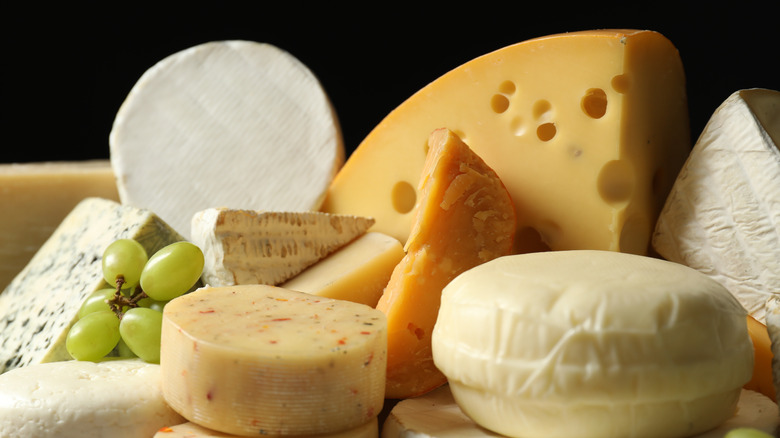
One of the things that makes it difficult to call a macaroni and cheese "perfect" is the wide range of cheeses that get used in the dish. There is no guarantee that mac and cheese is going to taste the same from restaurant to restaurant, let alone when you create it at home, because there is no set rule for what cheese you should use. But that is what makes it such a fun dish to create (and recreate) again and again.
The most common cheese in a good mac is yellow cheddar, but unless you want your dish to be one-note, you'll want to mix in other cheeses that make it flavorful — not to mention melty. Gruyère is also commonly used because it is a great melting cheese, but chefs use many others like white cheddar, Monterey Jack, Havarti, or even Parmesan. At Mallard, chef Hamilton Johnson likes to add a touch of a cheese that might surprise you. "We make a mornay with aged cheddar and a touch of goat cheese for a little sour note," he says. Different cheeses will give you different taste combinations. Even different goat cheeses will have different flavors depending on their age, so have fun experimenting with different combinations to get the taste (and melty gooeyness) you like best.
There is an added touch you can recreate easily at home
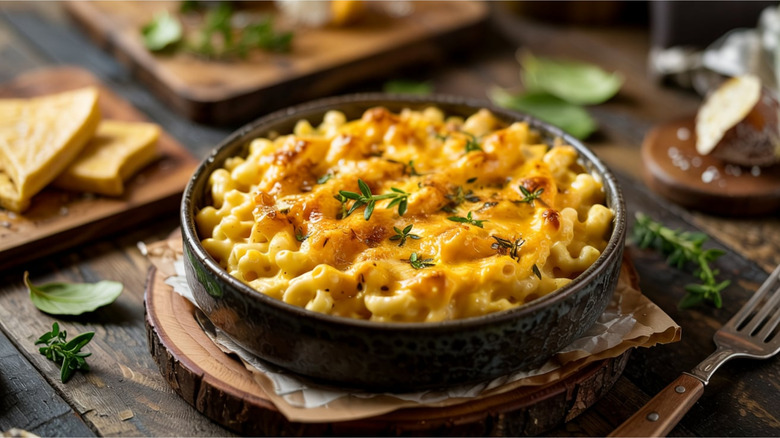
Different restaurants will serve mac and cheese differently, just like home cooks will put their own flourish on the dish at home. Popular garnishments are bread and parsley flakes, but you can explore any option your creativity comes up with to give the dish a polished look. Chef Hamilton Johnson shared a special final touch you can do at home that adds a restaurant-style flourish. "Once it's at the consistency we like, we will put it in a casserole dish and top it with aged cheddar and Ritz cracker crumbs, which gives that caramelized, cheesy bite that everyone looks for in their macaroni," he says.
Whether you are making your macaroni and cheese on the stovetop or baking it in the oven, don't forget that people eat with their eyes first. (Okay, so these days, our phones tend to eat first. Our eyes and our mouths follow, in that order.) Restaurants know that presentation is everything, so if you want to make sure you are serving a dish that is restaurant-worthy, take the extra time to give your mac and cheese a finishing touch of garnishment to wow your guests before they dig in.