

14 Japanese Condiments To Look For On Your Next Grocery Run

We may receive a commission on purchases made from links.
If you've ever browsed the Japanese condiments at your local grocery store, one glance at any ingredients list will tell you they're bursting with a wide variety of flavors. Running the gamut from spicy to sweet to umami and everything in between, once you start cooking with these popular Japanese sauces and seasonings, it will change the way you prep everything from meat to noodles and more.
Whether it's recognizing the zing that Kewpie mayo brings to BLTs, sprinkling just about anything with furikake, or glazing chicken in teriyaki sauce, the nuances of Japanese cuisine come through in these staple condiments. While there might be some overlap in ingredients, each of these items is enhanced differently to create something unique. While you can pick up most of the products on this list at the grocery store, you can check specialty markets if you run into trouble tracking down some of the harder-to-find items. If you want to give your home cooking a serious boost, it's worth picking up any of these Japanese sauces and seasonings the next time you're headed out on a grocery run.
Kewpie mayo
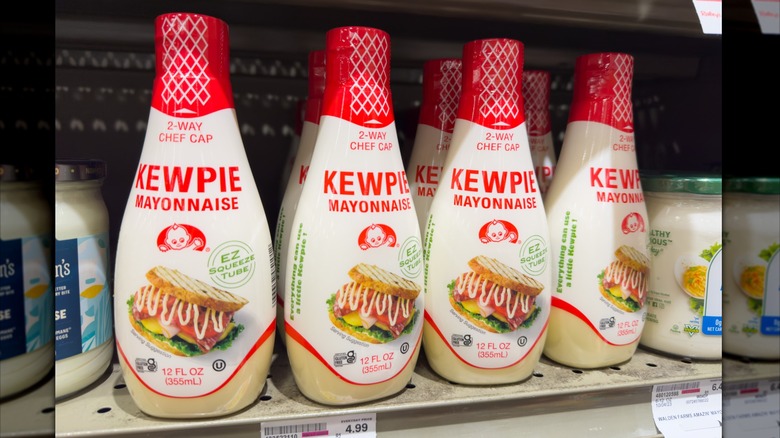
Chefs swear by this famous Japanese mayonnaise brand, and one small taste proves why it has a following. It's made exclusively with egg yolks, meaning it has a richer flavor than typical mayo made with yolks and whites, and it gets its zippiness from a blend of cider, white balsamic, and rice vinegars. Those specific vinegars give it a tangy taste with a hint of sweetness, setting it apart from standard U.S. offerings. Try making a spicy mayo with it, putting it on your next burger — just save some for dipping your fries, too.
Shoyu (Japanese soy sauce)
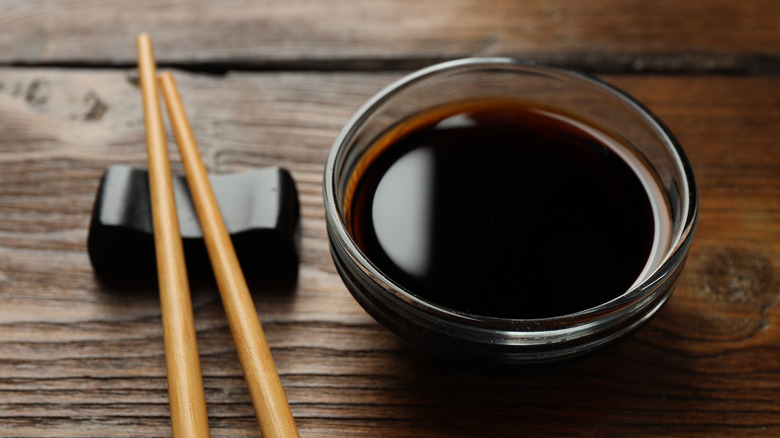
Shoyu is Japanese soy sauce. It's typically made by fermenting equal parts soybeans and roasted wheat, plus salt and water. Shoyu is great as a dipping sauce or for adding umami flavor to other homemade sauces. Depending on where you shop, you may be able to find light and dark varieties, and even barrel-aged shoyu, which has more complexity and depth of flavor.
Ponzu sauce
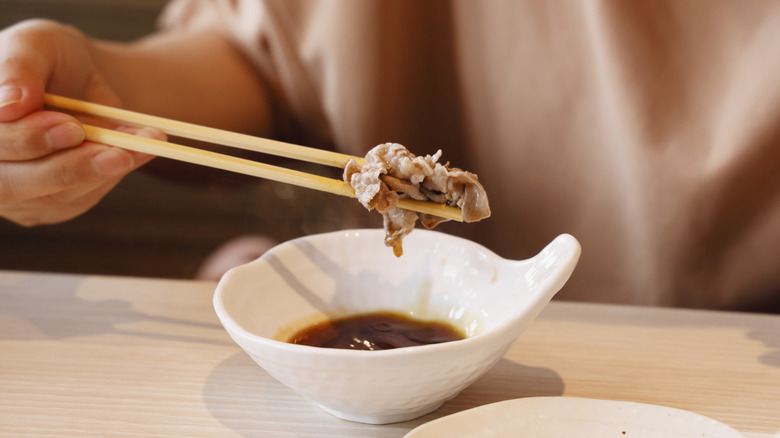
Think of ponzu sauce as shoyu's sweeter sibling. Ponzu is made with citrus, giving it a brighter, sweeter flavor than standard soy sauce. In its purest form, ponzu is just a combination of citrus juice (typically yuzu) and vinegar, but most types you'll find on store shelves today also contain shoyu. Many bottled versions are made with mirin, too, a sweet Japanese rice wine, plus sugar for an even sweeter profile. Ponzu is commonly used as a marinade, a dipping sauce for everything from grilled chicken and seafood to dumplings, and even as a citrusy salad dressing.
Tonkatsu sauce
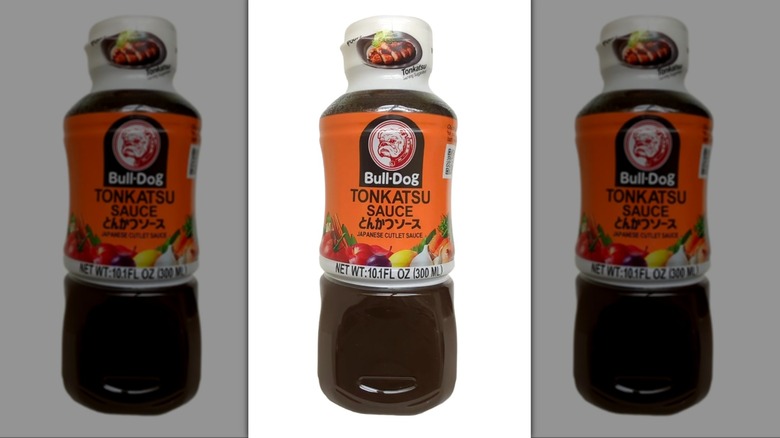
Tonkatsu sauce is named for tonkatsu, Japan's schnitzel-like breaded pork cutlet, because the condiment is commonly served alongside the dish and other fried foods. One of the most well-known brands is Bull-Dog Sauce. The condiment contains a blend of various fruits and vegetables, which are stewed and combined with sugar and vinegar, plus salt and other seasonings to heighten its Worcestershire sauce base. It has a similar profile to barbecue sauce and a thicker texture than soy sauce or ponzu sauce.
Yuzu kosho
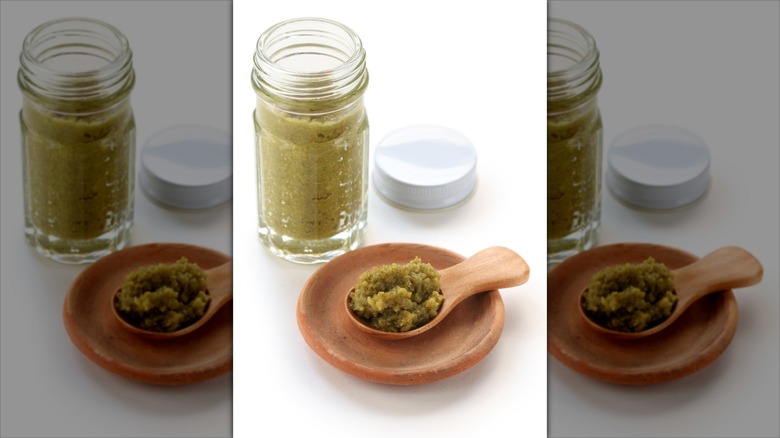
Yuzu kosho is a bold-flavored, hot sauce-like condiment made by combining the zest from a yuzu fruit with spicy chile peppers and sea salt. It tends to be bright green and has a paste-like consistency, and it sits for several days to ferment and bring out the deep spice from those chiles. Yuzu kosho goes with plenty of Japanese dishes, such as sashimi and tempura, but it can be a great spicy addition to something like barbecued ribs, too. If you can't find the traditional version, there are yuzu kosho-inspired hot sauces available.
Mentsuyu
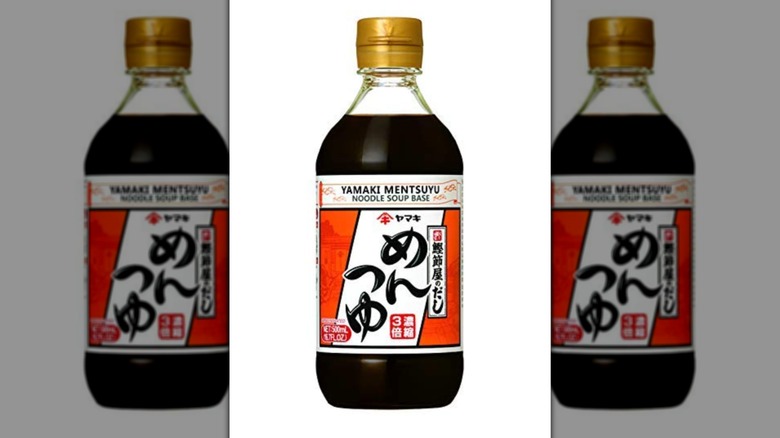
Mentsuyu is another popular sauce with a soy sauce base that is enhanced with sweeter ingredients for balance. It typically includes mirin and sugar, plus some dashi, a Japanese broth often made with some combination of fish, seaweed, or mushrooms. Those flavors come together to make it a table sauce with a similar thickness to soy sauce, and its robustness is perfect for everything from noodle dishes to roasted vegetables. It's a common addition to soup bases, too. You can purchase it straight as a milder, sauce-like condiment, or concentrated, which must be diluted with water before using.
Teriyaki sauce
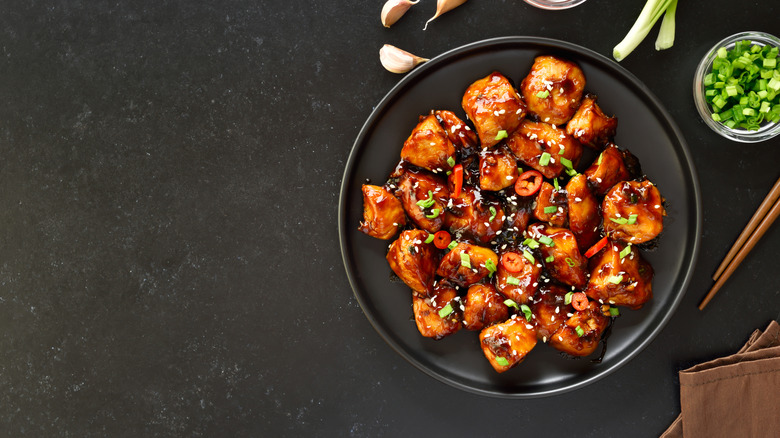
Teriyaki sauce is a thick, glaze-like sauce that's commonly used with chicken and seafood. It has a sweet-meets-savory profile thanks to containing a blend of sugar, mirin, and soy sauce. It has a stickier texture than soy sauce, and it makes for a perfect condiment to brush over your meat before cooking, or as a dipping sauce when serving your meal. You can also use teriyaki as a marinade.
Tare or yakitori sauce

Yakitori is a grilled cooking style rather than a sauce, but the condiment that yakitori is paired with, known as tare, has earned the nickname "yakitori sauce" because of how commonly the two are eaten together. This is another foodstuff that's made with a soy sauce base and balanced with the sweetness of mirin. It has a similar flavor to other condiments on this list, but it's primarily used with grilled chicken. It has a thicker texture than soy sauce, similar to teriyaki sauce.
Karashi
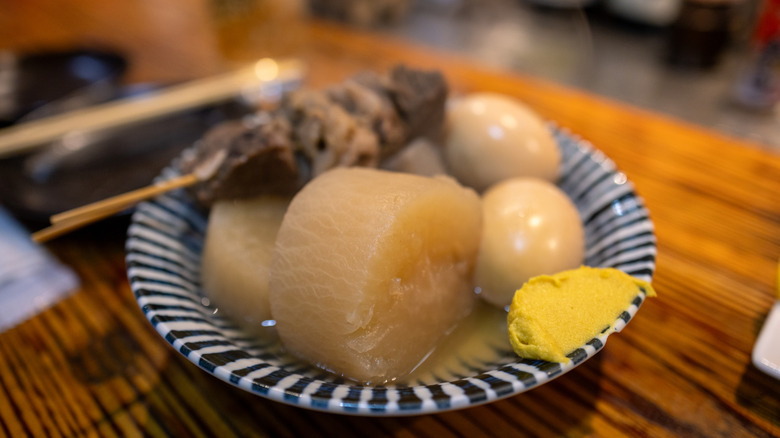
Karashi is Japanese brown mustard. The bracingly spicy condiment is popularly eaten with shumai dumplings and oden, a dashi broth-based stew. Karashi is sometimes enhanced with horseradish to create an even more noticeable tingling spice. While it's commonly used in moderation because of its flavor profile, it can easily bring a little clean heat and sharpness to any dish. It can be purchased as a ready-to-use condiment or as a powder so you can easily make your own mustard.
Rayu
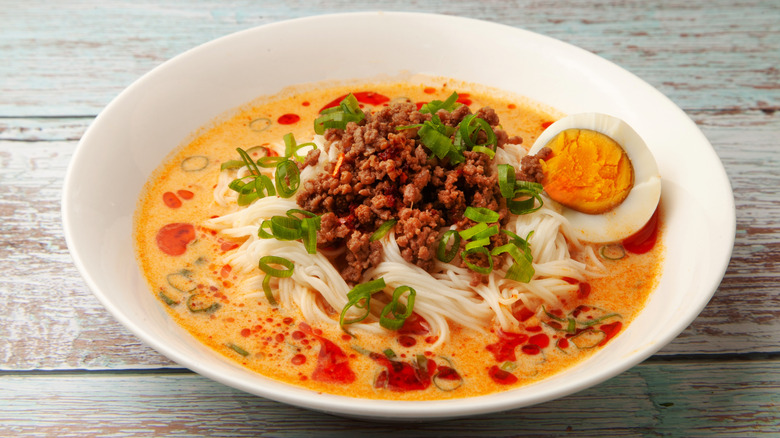
Rayu, or Japanese chile oil, is more than just another spicy sauce. It's made by heating sesame oil with peppers to infuse their tingling heat, resulting in a spicy condiment that's perfect for drizzling over everything from ramen to poached eggs. When other ingredients are added, like fried garlic or ginger, it becomes taberu rayu, which is similar to China's uber-popular chili crisp. It's most commonly eaten with gyoza, plus noodle and rice dishes; it's also great with eggs.
Neri goma
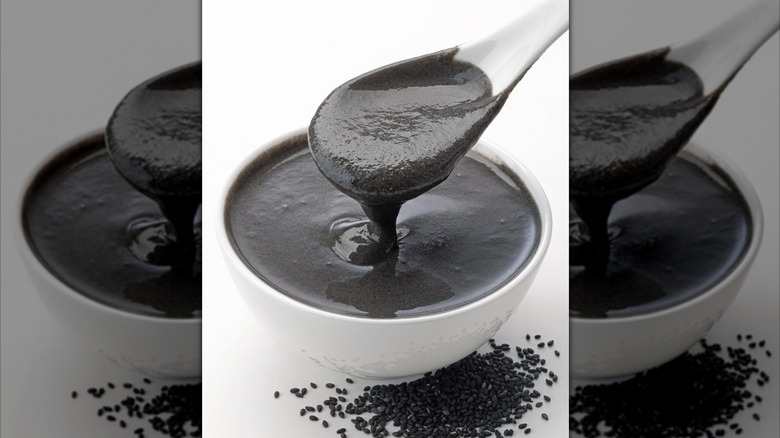
Neri goma, or sesame paste, is an essential ingredient in many Japanese recipes. It's made from toasted and ground black or white sesame seeds. The type of sesame paste you purchase will depend on the flavor profile you're looking for. Black sesame seeds are slightly bitter because the seed's hull remains intact. White sesame seeds have the hull removed, so they're milder and a bit sweeter. More robustly roasty than peanut butter, neri goma is great in dressings, dipping sauces, and baked into both sweet and savory breads.
Katsuobushi or bonito flakes
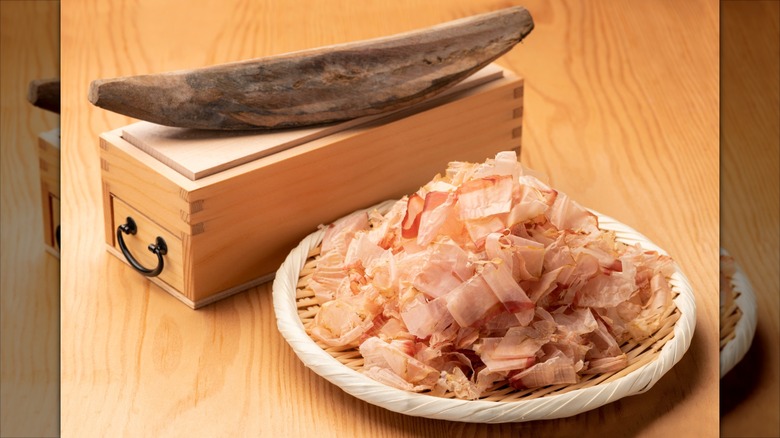
If you've ever had dashi, a common broth used in Japanese dishes like ramen, then you've almost certainly had katsuobushi, aka bonito flakes. This ingredient is made from skipjack tuna (or bonito), which is first filleted, then smoked, fermented, and dried before finally being shaved into thin, wispy slivers. These smoky, fishy flakes aren't just popular in dashi; their rich umami flavor makes them a common garnish on dishes like takoyaki (savory octopus pancake balls) and okonomiyaki (cabbage pancakes), plus vegetables, rice, and noodles.
Furikake
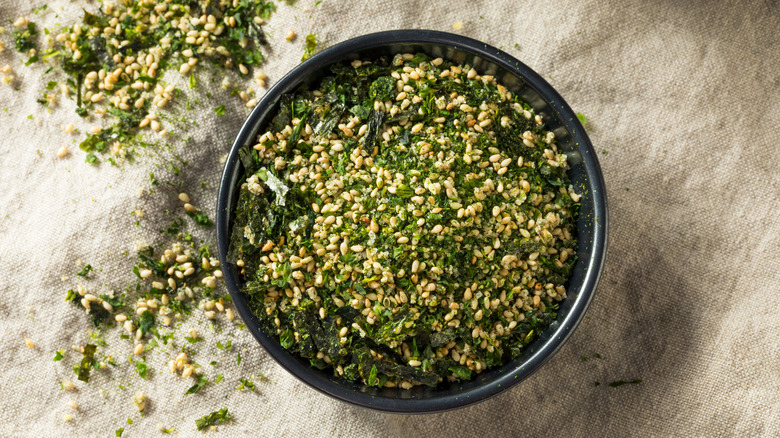
Furikake is a staple Japanese seasoning commonly used as a garnish. It's made from dried seaweed and sesame seeds and usually enhanced with sugar and sea salt. However, depending on the brand, you can find varieties that include everything from mushroom powder to bonito flakes to dried shiso leaves and even tiny dried shrimp. Commonly used as a topping for rice, furikake also goes well with popcorn and makes a great savory seasoning for salads.
Shichimi togarashi
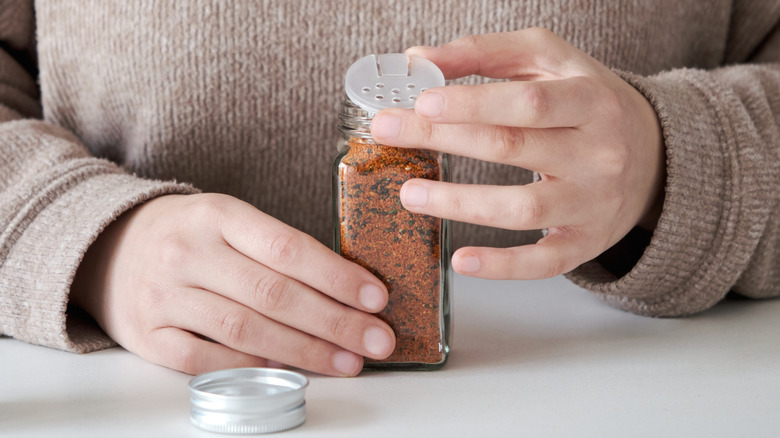
This punchy seasoning blend gets its kick of heat from dried red chile peppers ("togarashi" means chile pepper in Japanese), but it also includes sesame seeds, seaweed, and ginger, plus dried orange peel for a hint of citrusy sweetness. While the full ingredient list will vary depending on the kind you buy, other common additions include dried yuzu zest and garlic. Enjoy it on noodles, with yakitori, or in soups. But really, you can sprinkle it on anything that could use a piquant boost, from french fries and seafood to vegetables and more.