

Why Sandwiches Were A Staple Meal During The Great Depression
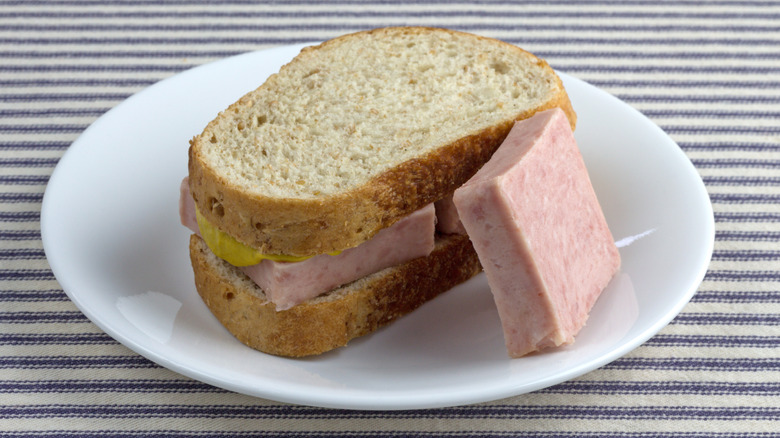
Throughout one of the hardest times in American history, the tried-and-true combination of protein, fat, and produce between two slices of bread was among the primary meals that kept families fed. During the Great Depression in the 1920s and '30s, money and food were in short supply for the vast majority of individuals and families, so it was crucial to make the most of every ounce available to ensure nothing went to waste.
Old-school sandwiches became popular, as they were a convenient, inexpensive way to combine various ingredients, including leftovers from the pantry, icebox, and garden. Often, they required no additional cooking — sometimes no cooking at all — which allowed folks to conserve expensive, limited resources, like coal and gas. Another reason for the popularity of sandwiches was that they served as a quick, convenient, portable lunch for working people who were short on time. These professionals also didn't want to get lethargic from a big mid-day meal since they needed to stay productive for the rest of the workday, so light sandwiches were a great solution.
Canned meat, such as potted and deviled ham as well as Spam, was a common source of protein in sandwiches of this era (often paired with pickles). Some people even canned the meat themselves. It was a trusty option when fresh meat was gone or too expensive. When things took a slight turn for the better, bologna (both cold and fried) with mustard or mayo became a common fixture between the bread. Colloquially known as baloney, this cheap deli meat was a welcome substitute when families couldn't afford higher-quality cuts. It could also be cured so as not to require refrigeration, which was another reason for its popularity.
Sandwiches that kept bellies happy during the Depression
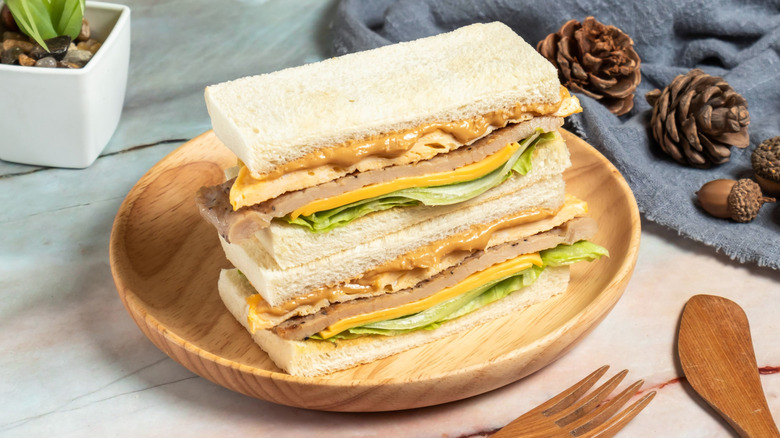
When they were available, hard-boiled eggs were one of the most favored sandwich components during the Great Depression. They became the main ingredient in the so-called emergency sandwich, a savvy staple during the hard times of that era. Exact recipes differ; some versions consisted of a hard-boiled egg salad with stale grated cheese, chives, mustard butter, mayonnaise, cayenne pepper, salt, and paprika. Others combined peanut butter, sweet pickles, and hard-boiled eggs. Another common Depression-era sandwich mixed cheese, olives, pimentos, and tomato sauce with hard-boiled eggs.
At times when dairy and meat costs exceeded household budgets, however, people had to do without the coveted eggs. So, a different sandwich was born, made simply of peanut butter and mayonnaise. This, too, became a staple during this era because it was a cheap way to get ample protein and fat in one meal. Perhaps the most unexpected concoction, however, was a three-ingredient sandwich that might make you do a double take, as it consisted of anchovies (or anchovy paste), pineapple, and cream cheese. It was marketed by the Dole Hawaiian Pineapple Company in 1935. Pineapple and cream cheese is a nice mix of sweet and savory flavors, but they lack crucial protein, which is where the fish came in.
Believe it or not, many folks continued eating some of these sandwiches composed of a mishmash of ingredients well after the Great Depression ended. They had grown accustomed to the blend of flavors and even felt nostalgic for them in better economic times. Considering these sandwiches had helped them and their families survive such dire circumstances, it makes sense that they would have developed an appreciation for, and even an attachment to, these meals.