

What Sets Organic Vodka Apart From Other Varieties

Vodka remains one of the most popular spirits today, and as such it's a crowded field. There are many ways brands can separate themselves from the pack. It could be the base ingredient — wheat, potato, corn, rye, barley, or sugarcane, among others — or its distillation and filtering methods, or even the water used during production. All these things affect the taste and mouthfeel of the final product. Organic is another distinction you'll often see on vodka labels, but what does it actually mean? USDA Organic (and its European Union equivalent) goes much further in determining how a vodka is made, from soil to final spirit.
To qualify for USDA Organic certification, at least 95% of its ingredients must be organically produced, meaning they must be free of synthetic pesticides and fertilizers, aren't genetically modified. The final product also can't include any artificial additives. The soil in which the ingredients are grown has to be free of banned substances for at least three years before harvest. From there, everything from the seeds of the base ingredient to the yeast used in fermentation must also be organic. The EU has stricter sustainability requirements, but because its standards satisfy USDA criteria, organic vodkas produced there can be sold as organic in the U.S.
Although the category is still small, it's growing, and it's making big inroads. Newsweek's 2026 Readers' Choice Awards named Prairie Organic Vodka, made with organic corn grown in the Midwest, the best vodka in the U.S. That leads us into a big question. Does organic vodka taste better?
Does organic vodka taste better, and is it worth buying?
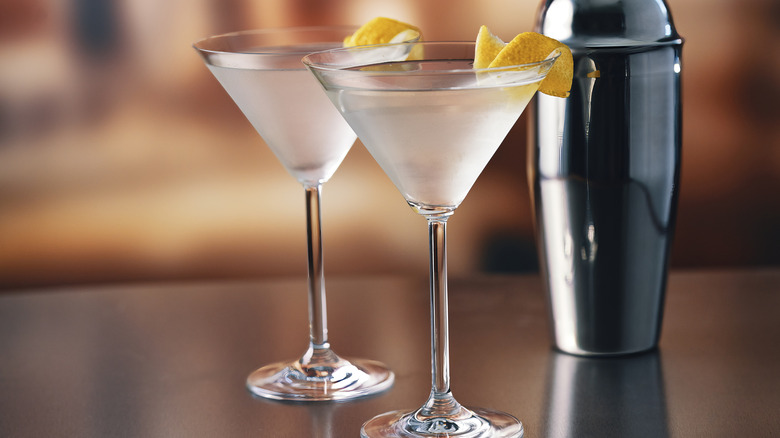
Whether organic vodka tastes better often comes down to the individual and the brand, but many people (myself included) feel organic vodka tends to be smoother with a cleaner finish and preserves the subtle flavors of the base ingredient. When it comes to flavored vodkas, many include artificial flavors and colors, which are prohibited under the organic seal. That hasn't stopped producers from creating flavorful options. Hanson of Sonoma, for example, has a line of organic flavored vodkas that range from mandarin to espresso to ginger that are made with all-natural ingredients and deliver true, clean flavor.
Price is another factor to consider. Organic vodka tends to be pricier, although there are some brands, like award-winning American Harvest Organic Vodka, which sells for around $23 for a 750-ml bottle. In the end, you're paying for a bit of peace of mind since organic standards are higher and require distillers to stay away from artificial additives. Buying organic means you're putting your money into a system that's positively impacting the environment, and helping to incentivize the farmers and distillers who put in the extra work to bring you a clean and delicious spirit. Whether you prefer various popular vodka cocktails or sipping it neat, perhaps you should give organic vodka a try for yourself.