

The 3 Styles Of Butter You'd Find In A French Supermarket — But Not In The US
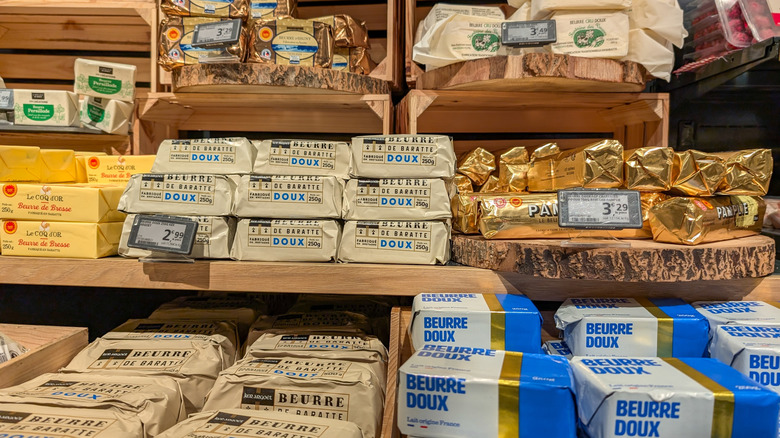
France is perhaps most associated with its many cheese varieties, including Roquefort, a hearty, pungent type of blue cheese, and Brie, a creamy cheese that makes an appearance at many a party. However, another milk-derived French product is just as delicious and almost as diverse: butter. While much of American butter comes down only to salted versus unsalted, the intricacies of French butter are a bit more complex.
Generally speaking, there are a few main factors that set French butter apart from its American counterparts. For example, most French butter is cultured, meaning bacteria is added to help ferment the cream base. This process gives butter a tangy, sharp, distinct flavor that makes it a delicious addition to any number of dishes. Additionally, butter in France has a higher butterfat percentage (82% or higher). This gives French butter a richer texture and taste.
While you can find some French-style butters, especially beurre doux (unsalted butter containing 82% butterfat), in a grocery store near you, there are three varieties that may be more difficult to find at your local grocer. These products vary in fat and salt content, and also in cooking applications, but no need to wallow in your fear of missing out. You might be able to find these butters at specialty markets, you just have to do some hunting.
Beurre salé
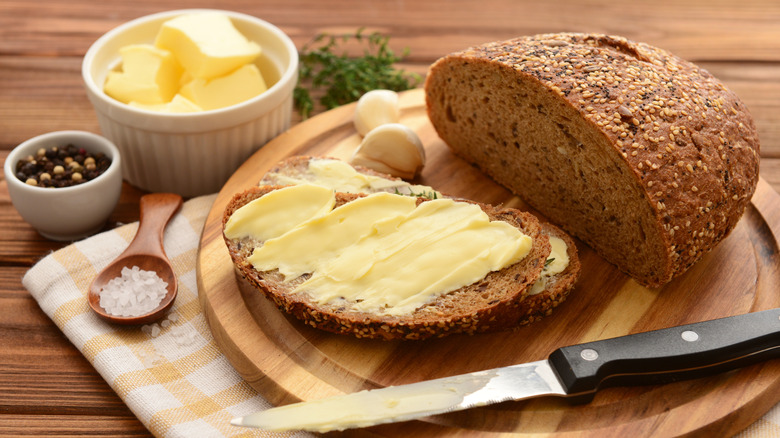
Also called "beurre aux gros sel," beurre salé is best defined by its salt. Unlike other butters, it's over 3% salt, and salt flakes within the butter can often be seen and felt by way of a lovely crunch. It's often produced in the Northwestern region of Brittany, which, thanks to its coastal location, is prime real estate for salt production.
Beurre salé is great for spreading atop toast, or for adding to a radish and butter sandwich. You can also use this butter for baking and making sweets, such as caramel au beurre salé. You probably won't find this butter at a big box grocery store, though you may find it at a specialty market. If you can't find any beurre salé, combine some good-quality butter with the salt of your choosing. Alton Brown's preferred finishing salt is Maldon sea salt. While it doesn't exactly replicate a French beurre salé, it's at least super tasty.
Beurre demi-sel
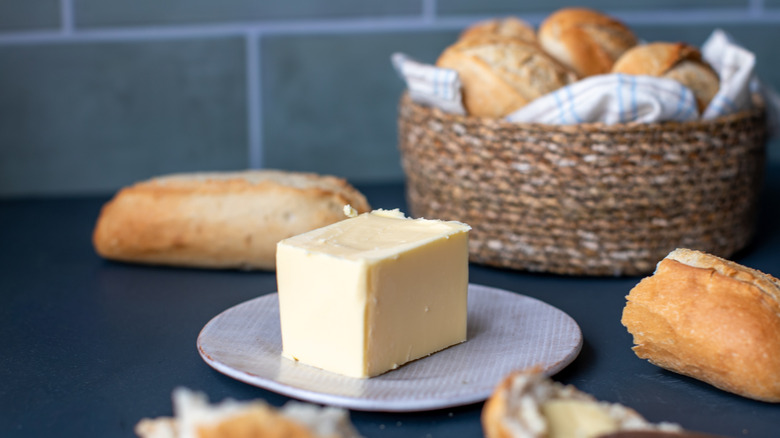
Unlike beurre salé, which has over 3% salt content, beurre demi-sel turns down the saltiness with a .5% to 3% salt content. This butter offers a more balanced flavor than its fully salted counterpart, and is great for putting out to serve as a spread for toast, biscuits, or muffins. The slight saltiness balances well with jams, jellies, and honey. Additionally, thanks to its salt content, this butter is safe to sit for extended periods at room temperature; you can store it in a butter bell, dish, or other container. You can also cook with beurre demi-sel, though keep its salt content in mind and don't add too much extra. It's a go-to butter for pretty much any use.
Though you may not be able to find this butter at your local Kroger or Publix, you can find it online on specialty food websites, or at local French food markets, cheese shops, or farmers markets. If you're looking for a butter with a similarly salted taste and a tangy cultured edge, you can also grab Trader Joe's Cultured Salted Butter, which is made for the chain in the Brittany region of France (I always keep this butter on hand).
Beurre sec
If you've ever had a bottle of Champagne, the word "sec" probably rings a bell. In French, "sec" means "dry." When referring to Champagne, sec indicates a sweeter wine than brut, or even extra brut, which is to say extra-dry Champagne. However, the sec in beurre sec refers not to sweetness, but to water content. Unlike other butters, beurre sec has a higher fat content and a lower water content. This "dry butter" must have at least 84% fat, 2% more than most French butters.
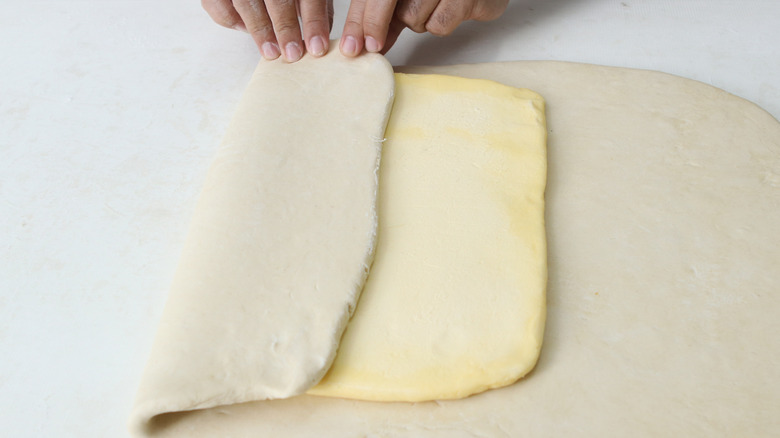
This butter is most often used by pastry chefs to create puff pastry, croissants, and other baked goods. The high fat content in this butter allows for easier lamination in flaky doughs (such as croissant dough), and can be spread out and layered more easily in these applications. It's also great for baked good recipes that require "shortness," or a tender, flaky texture. If you're looking for beurre sec, you may be able to find it online. You can also find "pastry sheet butter" or "beurre patissier," which often has 84% butterfat, online. These butters are great for baking purposes.