

The Hidden Costs Of Keeping A Refrigerator In Your Garage
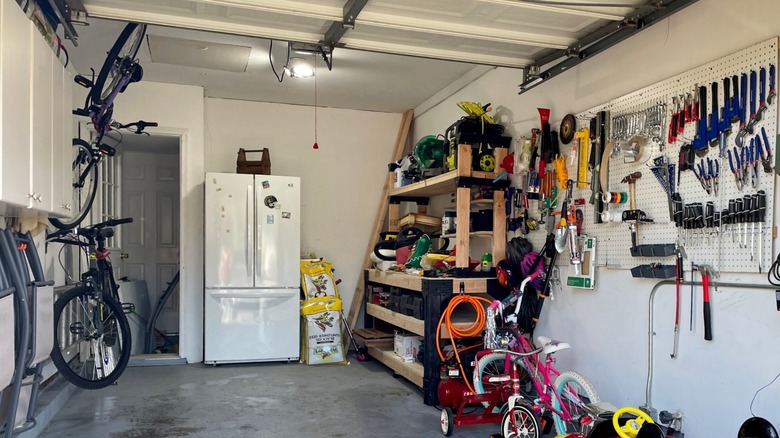
A refrigerator is a common sight in garages across America, and of course it is — there's space for it, and a second refrigerator often seems like a smart investment for additional cold storage. But while the convenience is certainly there, keeping a refrigerator in the garage often leads to additional costs that may not be apparent upfront. From a shortened appliance lifespan to higher energy bills, it's worth taking a serious look at the pricey downsides before jumping on the garage fridge bandwagon.
To start, most garages are inhospitable to appliances — or any electronics really. That's because electronic circuity is not built to withstand extreme temperature fluctuations, hot or cold. And don't think you're out of the woods just yet if you just so happen to live in the mildest region ever; even moisture can cause corrosion and other damage. It's not just about weather conditions either. Garages are also prone to excessive dirt and debris thanks to their frequent exposure to the outdoors, not to mention all the outdoor tools and any cars you may keep in there as well, which of course can get into your fridge's coils and wear them down. So, although the average refrigerator lifespan is about 12 years long, don't count on a new one in your garage lasting that long.
Higher energy costs might be the biggest thing going against garage fridges
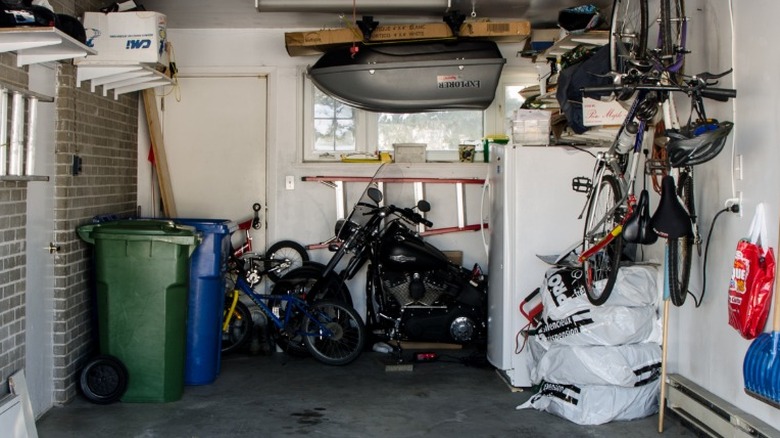
Energy inefficiency is easily one of the biggest hidden costs of garage fridges. See, your average refrigerator sold is for indoor use and therefore designed to operate within the relatively narrow temperature ranges that are typical inside today's climate-controlled homes. Garages, on the other hand, are "indoor" but not really, as they typically have little to no insulation, much less climate control. Most of the United States sees at least a few extreme temperature days every year, and heat extremes in particular have become more common over the years. As noted, during summer heat waves, a garage refrigerator's compressor has to work much harder to maintain safe food storage temperatures. This increased workload can in turn significantly raise electricity consumption and utility costs.
Freezing temperatures can likewise stop your garage fridge from working outright, but chillier weather in general can spell danger for energy use. Along with a heightened risk of components cracking in the cold, your fridge may struggle to maintain a balance with its internal temperature and use up more energy. There's no official number for how much extra a garage fridge will cost you in energy bills alone because homes, use, and conditions vary so much. That said, professional estimates say you can expect anywhere between an additional $15 to almost $100 annually (or about $10 more than an indoor fridge), with higher costs coming from older, non-energy efficient models.
Food spoilage and other hidden costs may make you want to reconsider
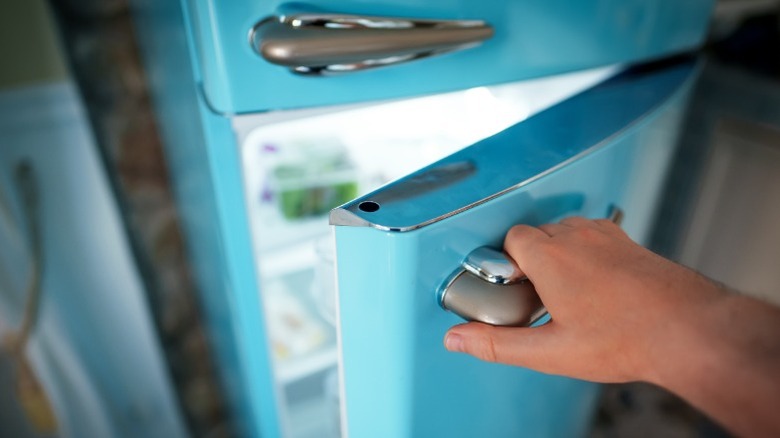
Food spoilage may come as a surprise risk of garage fridges, but it's a thing, especially in winter. As garage temperatures may drop below the refrigerator's intended operating range, your appliance's thermostat may incorrectly sense that its insides are cold enough and stop running. Left long enough, the food spoilage becomes a pricey consequence.
There's also the upkeep that can make these monthly costs even worse. Remember that excess dirt and debris we talked about earlier? Maintenance costs are another hidden expense, as you'll need to clean condenser coils more frequently if you want to prevent them from worsening your fridge's lifespan and general performance. If there's damage, don't count on your warranty necessarily covering it. Some manufacturers consider improper installation or appliance use outside of recommended operating conditions to be grounds for voiding the warranty, and this has been known to include refrigerators placed in garages.
So, although that extra cold storage space in your home may still be attractive, consider whether it truly provides enough value to justify the ongoing hidden expense. At the very least, don't just go with any fridge. Some manufacturers offer garage-ready refrigerators now that are specially built to withstand the unique conditions of a garage space, at least better than a regular fridge can. If you do get one, stay on top of maintenance and don't ignore the signs that might mean your fridge needs to be replaced, as doing so could only worsen all of the hidden costs.