

How Screwworms Could Impact The Price Of Beef For Your Summer BBQs

If you think your grocery bill has been rising to unbelievable heights lately, you might want to rethink your summer barbecue menus this year. Inflation, tariffs, and elevated grain prices are just some of the reasons that the price of beef has already spiked in 2026, but there is a new problem that could have a major effect on the U.S. cattle supply. A New World screwworm (NWS), a flesh-eating fly that affects livestock, has recently been detected in the United States, and the USDA has raised the alarm.
So far, there has only been one animal affected, a young calf in Zavala County, Texas. But the threat is serious, as NWS is a dangerous pest that can cause severe harm to animals, including livestock, pets, and wildlife. Screwworms don't infest the meat, produce, or other food products, but rather feed on the live animal. Should the screwworms spread to more livestock, it could heavily impact the cost of beef, as it will affect the country's cattle supply. This is probably a good time to come up with a backup plan filled with other great options for your summer barbecue.
This isn't the first time the United States has battled screwworms. There was an infestation of these parasites in Texas livestock in 1966, which was completely eradicated, and in 2016, wild deer in the Florida Keys experienced an outbreak, which was also quelled. Unfortunately, the parasites can spread quickly among herds of livestock, which is why the USDA has implemented a targeted plan of attack that includes measures like quarantines and the targeted release of sterile NWS flies to prevent further infestation.
Unsettling news for an already struggling industry
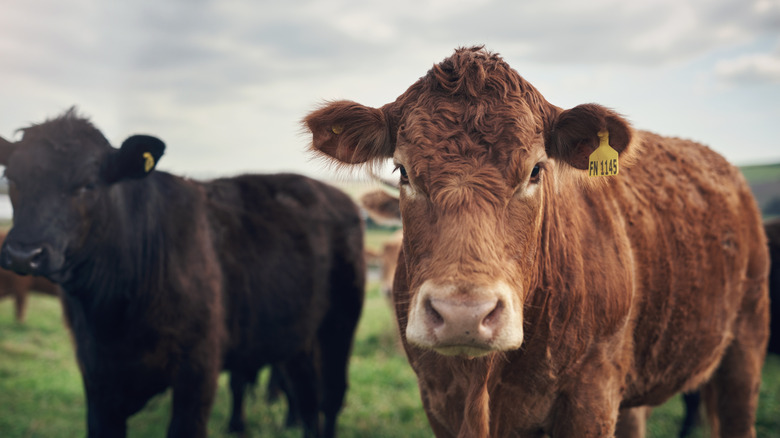
The timing is particularly bad for this problem to occur in an economy that is already struggling. The price of everything has gone up in recent years, but the beef industry has been hit particularly hard, even if you are a savvy shopper. Beef prices have recently hit a 70-year high, which makes the possibility of a new screwworm outbreak particularly concerning.
Texas produces the most beef for the country's food supply, followed closely by Nebraska and Kansas. Unfortunately, those states have experienced droughts in recent years that have affected cattle populations. In fact, cattle populations in the U.S. are at their lowest since 1951. That scarcity raises the cost of beef, as do other factors like inflation. Another driving force in the steadily rising price of beef is foreign markets, which are outbidding U.S. suppliers and processing plants. This leads to lower sales, which means higher prices to keep the cattle farming industry afloat.
Prior to the discovery of screwworms in a Texas calf in early June, the USDA anticipated a continued increase of 5.5 percent in beef prices in the United States for the remainder of 2026. It remains to be seen if that projection will stay on track or if we will see a reprieve in time for Fourth of July barbecues, but we certainly hope the USDA's quick action and response efforts will keep our grocery bills from going even higher.