

Here's Why Beef Is So Expensive In 2026
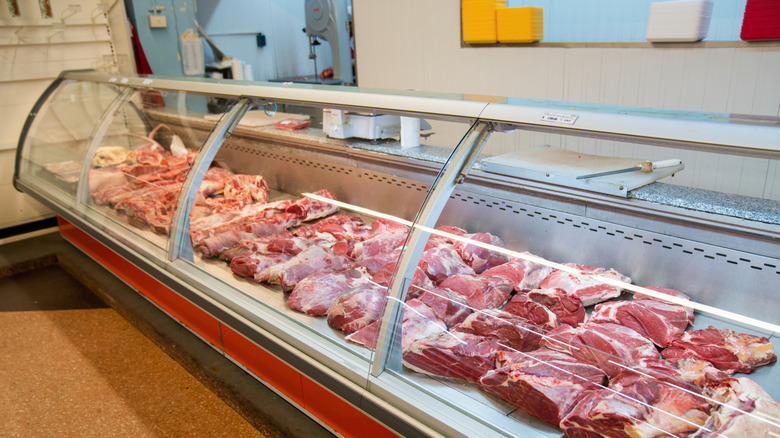
"Beef. It's what's for dinner." So goes the iconic 1990s ad campaign launched by the National Cattlemen's Beef Association (NCBA) and funded by the Beef Checkoff. But the economics of consuming the popular meat have changed dramatically since those days, making it harder to find affordable, quality beef cuts. The cost of the meat spiked 14.8% from April 2025 to April 2026; this most recent surge is due to the Trump Administration's tariffs on imports, as well as inflation, high interest rates, drought, elevated grain prices, and cattle disease.
If you're like most of us, though, you've been feeling pain when buying beef for the last six years or so. Let's take a closer look at how we got here: the factors that have contributed to much higher costs of steak, ground beef, and even roast beef for your sandwiches — and why, unfortunately, it doesn't look as though that expense will be coming down anytime soon.
Beef prices have been increasing since the COVID-19 pandemic that started in 2020, when many more people were cooking at home, thus driving up demand. The pandemic-related supply chain disruptions that followed, e.g., meatpacking plants closing down due to coronavirus spread, only made matters worse, decreasing supply and pushing prices sky high. Since 2021, farmers' operating expenses have also soared as a result of inflation; increased interest rates, which make it more expensive to obtain business loans; drought, which causes less water and a smaller harvest of cattle feed; and rising grain prices. These circumstances have forced many farmers to decrease the size of their cattle herds to the lowest they've been since the early 1950s. This lower supply and continued high demand have led to steeper beef prices.
Disease, taxes, and money-hungry businesses
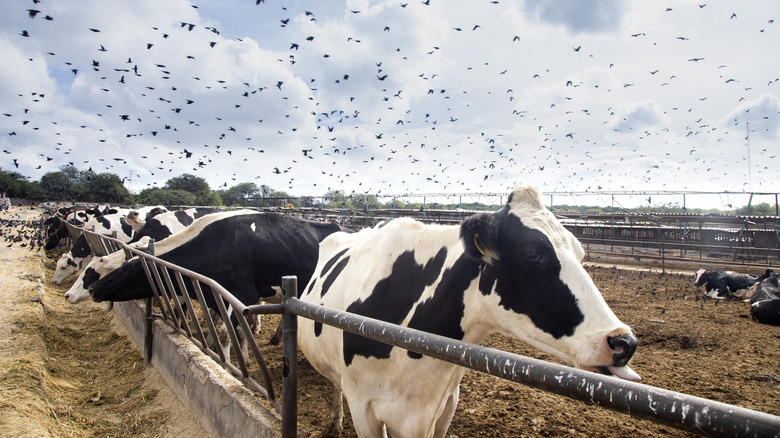
Cattle disease has been another factor driving up beef costs. The New World screwworm infected a great many cows in Mexico beginning in May 2025, forcing the U.S. to cut off virtually all cow imports from its southern neighbor — again reducing supply amid continued high demand. And imports from other countries have become more expensive due to the Trump Administration's tariffs, which are taxes that usually get passed on to buyers.
Recognizing an affordability crisis, the White House floated the idea of lowering beef tariffs to bring costs down for consumers but changed its mind when American cattle ranchers protested. Keeping taxes on imports high restricts the supply available to consumers, allowing domestic producers to continue charging premium prices — boosting their revenue as families and individuals pay more.
Also exacerbating the problem is alleged market-cornering and price-gouging. Tyson, Cargill, JBS, and National Beef collectively control 85% of America's beef. The U.S. Department of Justice is launching an investigation into potential violations of antitrust laws by these beef processors, who may have eliminated competition illegally.
For beef prices to decline in the near future, there would need to be an increase in supply, a decrease in demand, or both. Unfortunately, none of those scenarios looks likely. Operating costs for farmers remain high, and drought conditions have not improved, so farmers are still generally unable to breed more cattle. Once they're able to, it will still be years before consumers feel relief in their wallets, as it takes 18-24 months post-birth for cows to mature enough to be slaughtered for food. As far as demand, there are few signs of any change in the massive amount of beef Americans eat each year.