

The Top 5 Etiquette Mistakes You'll Want To Avoid At A Fancy Steakhouse
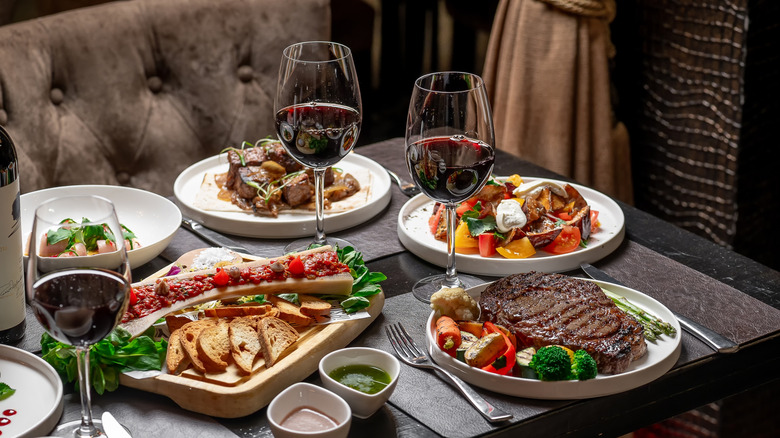
Dining at a fancy steakhouse can be a real treat. But if you don't know the etiquette that is expected of you, it can also be a bit intimidating. Fine dining has certain etiquette rules, but eating in a steakhouse has its own set of expectations. Whether you're visiting one of the worst or one of the best steakhouses in the country, there a few things you'll want to keep in mind. To help clear up what you need to know, Chowhound reached out to a few experts for pointers.
Our experts run the gamut of roles in the industry, from Nick Leighton, co-host of the podcast "Were You Raised by Wolves?" to Sarah Beth Stranges, the general manager at STK Steakhouse Fallsview. Rich Furino, the food and beverage director at The National OKC, and Jeff Kopps, the executive general manager of BOA Steakhouse Las Vegas, shared their thoughts as well. They each had great insight on steakhouse etiquette that will not only help you avoid any dining faux pas but will also make sure you get the incredible meal you expect and deserve from a fancy steakhouse.
That said, it's interesting to note that some of our experts feel that the tides have changed and the bulk of the responsibility falls on the restaurant to provide quality hospitality, not on the customer to behave a certain way. But that doesn't mean that you want to head into a fancy steakhouse and be caught off-guard, so let's take a deep dive into our expert's tips, which cover everything from the way customers dress to the way they order their steak.
Not understanding the cooks on steaks before ordering
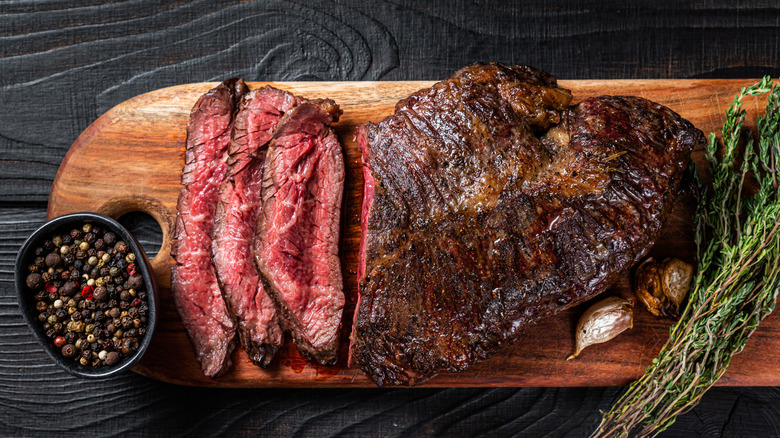
According to Sarah Beth Stranges, one of the most common mistakes diners make at fancy steakhouses is not understanding the cooks on the steak, or rather, the interpretations that different people have on those cooks. "For example, a guest may think medium rare means a warm pink center, while another expects a mostly red center," says Stranges. She suggests discussing the cook with your server, who should have plenty of expertise in this area, when ordering to make sure that what you want and what you're going to get are the same thing.
"An educated server can help with this by describing the steak temperature and the corresponding color of the final cook. This approach turns order-taking into hospitality by ensuring both the guest and the kitchen are on the same page with the preferred steak cook," she added. Jeff Kopps also agrees, encouraging diners to let their waiter be their guide. "They are trained professionals who are the experts responsible for ensuring a great time," he says. "Just sit back, relax, and allow them to help you have an enjoyable experience." When you communicate clearly what you want and the restaurant communicates clearly what you can expect, everyone is happier.
Stranges also suggests avoiding in between temperatures. She's referring to a steak-ordering trend that involves adding "plus" to commonly used temperature terms like medium or medium-rare to indicate that you want it cooked just a bit longer than the basic term implies. Ordering your steak this way makes it pretty hard for chefs to give you exactly what you are hoping for since steak continues to cook after it's taken off the grill. Chefs know how to achieve desired temps, but adding in-between times could throw everything off.
Situational awareness is as important in a steakhouse as anywhere else

Situational awareness, or being aware of what is going on around you, is something that needs to be talked about more when it comes to dining, whether it's a fast food restaurant or a fancy steakhouse. When you are in public, especially when you are in a fine dining restaurant or fancy steakhouse where customers are paying a hefty price tag for good food and good service, being aware of how your actions impact the experience of those around you is important.
Rich Furino believes that the restaurant should make the effort to deliver a steak the way the customer wants it, even if they do request a plus temperature. However, he says that there is one responsibility that falls on the customer — being aware of the other customers in the restaurant. That doesn't just mean knowing that people are there. It's about being conscious of how your actions impact the experience of the people around you. "General good manners go a long way," says Furino. Save the loud and boisterous behavior for the afterparty.
Don't be too quick to judge
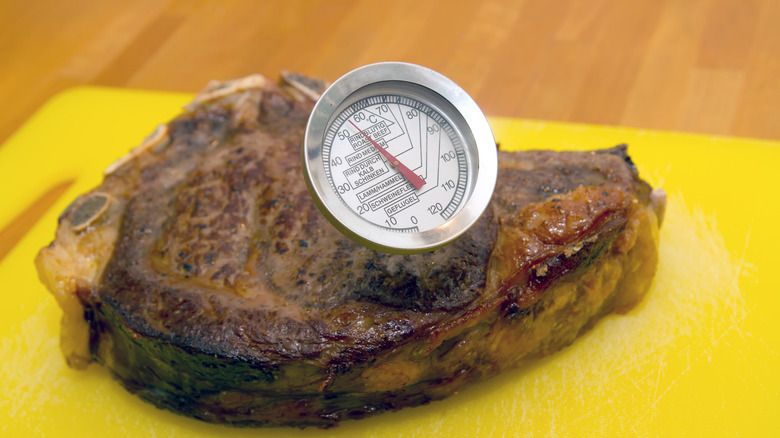
It's important to make sure you enjoy what you're paying for. If your food isn't to your liking or has something wrong with it, you can always send it back to the kitchen. However, Jeff Kopps warns against being too quick to send your food back. For example, if you cut into the end of your steak and see that it's overdone when you ordered it medium or medium rare, don't be in a rush to send it back because you might be committing a steakhouse faux pas. "Before asking to send it back, cut through the center," says Kopps, because you might find that it's cooked exactly to your request there.
There are a number of reasons why a steak might not be the same temperature throughout. It might be thicker in the middle or have a bone in it, and carryover heat continues to cook the meat for a few minutes after it comes off the heat. As a result, chefs gauge the doneness based on the thickest part of the steak.
It's also important to know when to send that steak back if it isn't cooked the way you wanted it. If you cut into the center, like Kopps suggests, and it still isn't cooked to your request, let your server know as soon as you notice. If you keep eating and then complain at the end of your meal, you won't be scoring any brownie points with your server.
Dress for the occasion

You don't have to wear a suit and tie or a fancy dress to grab dinner at your favorite fast food restaurant — although you certainly can if you really want. After all, it never hurts to be the best dressed person in the room. But when it comes to fancy restaurants, how you dress just might matter. Some steakhouses are so casual that you can wear whatever you want (within reason, of course!), but a fancy steakhouse might have a dress code, and Nick Leighton suggests checking on that dress code before you go if you aren't sure about what you should wear.
"It's nice to be dressed appropriately for whatever type of dining experience you're about to have, so when in doubt about what's expected or typical for where you're going, just ask," says Leighton. He recommends checking the website, where the dress code rules are usually posted, so you can be dressed appropriately. And, of course, you can always place a quick phone call before you dress for dinner. The restaurant will be happy to tell you what you need to know.
Plan on bringing some extra cash

It's no secret that tipping culture in America is getting a bit out of hand. It can be very confusing to figure out who you are supposed to tip, when, and how much. If you aren't an old hand at dining at a fancy steakhouse, there a few things you'll need to know so you don't make a tipping faux pas. Thankfully, Nick Leighton also has some tips on steakhouse tipping expectations. He points out that fancy steakhouses often have a coat check. There isn't usually a charge, but it's a service you should leave a tip for when you pick up your belongings on the way out. You'll also want to expect the possibility of valet service to park your car. That service isn't always free, and you'll definitely want to tip the valet in cash, so plan ahead and bring some paper money with you before you head to dinner.
Armed with a little knowledge of proper fancy steakhouse etiquette, you'll be able to relax and enjoy your meal without having to worry about any awkward moments. It will be the upscale experience it is supposed to be rather than just a simple everyday meal at your local diner.