

Forget Lamb, Toss This Underrated, Old-School Meat On The Grill
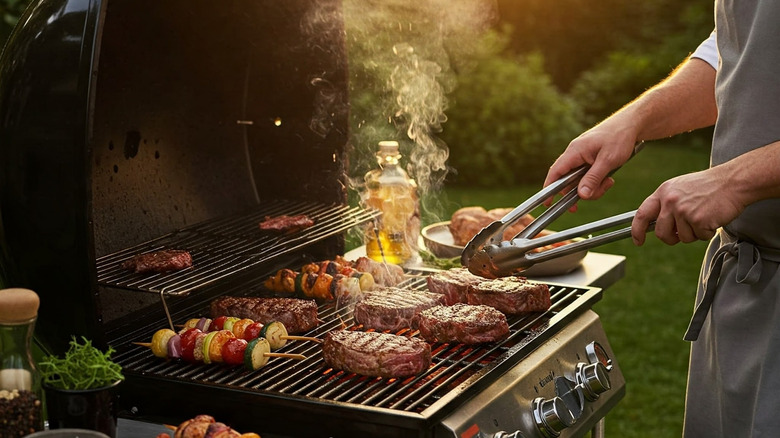
As old-school foods go, mutton is an incredibly underrated meat that needs to make a comeback in the U.S. Throughout the late 19th and early 20th century, mutton was everywhere. It could be found in butcher shops, home kitchens, and even upscale restaurant menus. However, clashes with the government-supported cattle ranchers, the invention of synthetic fabrics, and notoriously disgusting WWII rations worked in tandem to throw mutton out of favor. Beef was better marketed, synthetic fibers were cheaper than wool, and GIs forced to endure cans of horrendous Australian mutton stew with vegetables refused to eat mutton after returning home.
The kicker, of course, is that even though mutton and lamb aren't actually that different, lamb has remained popular throughout America for its reputation of being tender and easy to grill. Mutton needs quite a bit of TLC in terms of proper preservation, aging, and cooking. Yet, its bad reputation is wholly undeserved. Though it's true that grilled mutton chops take quite a bit longer to cook than lamb — about an hour over indirect heat — the results are well worth the wait.
When grilled properly, many meat-lovers agree that mutton is just as tender as its more youthful counterpart, with a much richer wild, gamey flavor that softens beautifully into meaty deliciousness after being marinated with the right seasonings. In fact, this very process has been perfected in the Western Kentucky BBQ Belt, which is why you need to try mutton barbecue next time you're in the state.
How to give mutton the love and attention it deserves
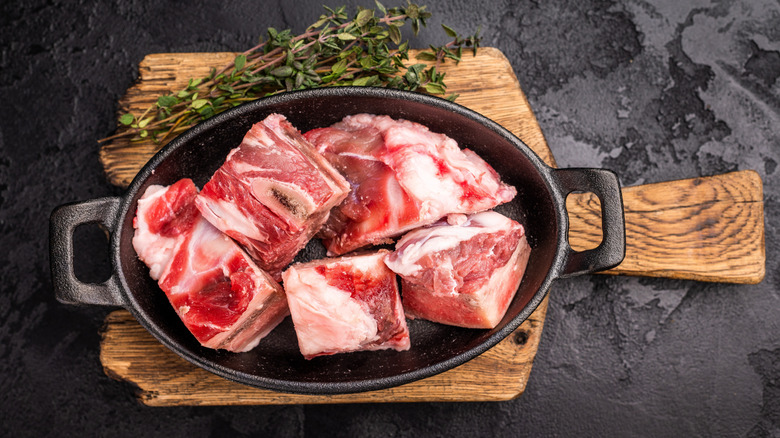
If you don't plan to make a trip to Kentucky anytime soon, there's nothing stopping you from giving mutton a go on your grill at home. Mutton is tougher than lamb because the sheep it's taken from are between 1 and 3 years old, while lamb is 1 year or less. Though mutton is rare in grocery stores these days, your local butcher may stock it, or you may be able to find some at a nearby farm if you're rural. As mentioned, that means mutton greatly benefits from the acid and fat mixed into any good marinade blend, which gently tenderizes the meat and infuses it with additional moisture.
Expert grillers recommend letting the marinade work its magic for at least two hours in the fridge, though you can prep mutton this way for up to 24 hours before you cook it. Sweet, tangy flavors tend to work well with mutton, so apple cider vinegar, lemon or lime juice, and balsamic vinegar all work well as the acid component while garlic-infused olive oil or herbed compound butter is perfect for the fat. Woody herbs, such as rosemary and tarragon, offer a lovely astringence that softens the gaminess of mutton while freshly cracked black pepper adds a nuanced kick. Grill it over indirect heat in a closed grill, allowing residual heat to build up and do all the work.