

These 4 Everyday Oven Habits Can Lead To Costly Repairs
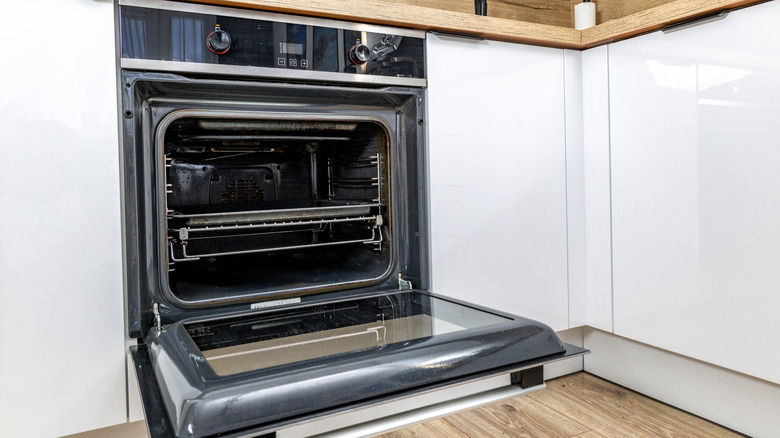
Ever heard the saying "an ounce of prevention is worth a pound of cure"? The same applies to kitchen appliances; the way you take care of them matters, rather than just carelessly using them and paying for costly repairs afterward. Chowhound exclusively spoke with Ian Palmer-Smith, appliance repair expert at Domestic & General, to know what everyday oven habits can lead to something expensive to fix down the line. One thing he mentioned is irregular maintenance. "A lack of maintenance and regular care can shorten your appliance's lifespan as a buildup of grease and food residue can reduce performance, cause component failures, and lead to significant safety hazards," he said.
Whether or not you chose the best brand on the market, observing preventive measures could help spot early issues and find solutions before they become worse. Even though appliances have an average lifespan, taking extra-good care of them can give them a longer life. To avoid damaging the oven (as well as your wallet), we'll talk in depth about the harm of irregular maintenance, as well as other usual routines you should stop, including using the oven to double as storage.
Skipping routine maintenance
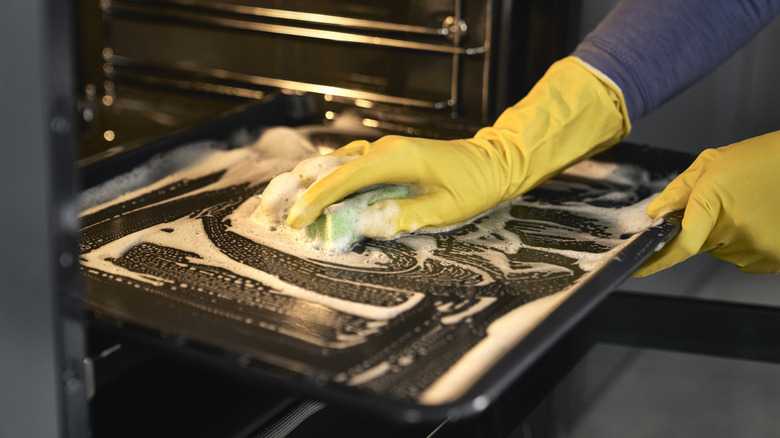
Like cars, ovens need routine maintenance. Depending on what kind of oven you have, servicing requirements can vary. For instance, a professional should check your gas oven once a year, while electric ovens can go up to 18 months without a checkup. However, if you use the appliance a lot, check it at least every six months. This ensures small issues are immediately taken care of so they don't turn into bigger, more expensive problems.
Cleaning is another step to include in regular maintenance. Aside from having a detrimental effect on an oven's longevity, buildup can cause issues in the long run. According to Ian Palmer-Smith, "Debris can block your oven's vents and cause the internal components to work harder and overheat, leading to burnout." Additionally, your electric bills may also suffer because the appliance has to work extra hard just to preheat.
Forgetting about the oven racks
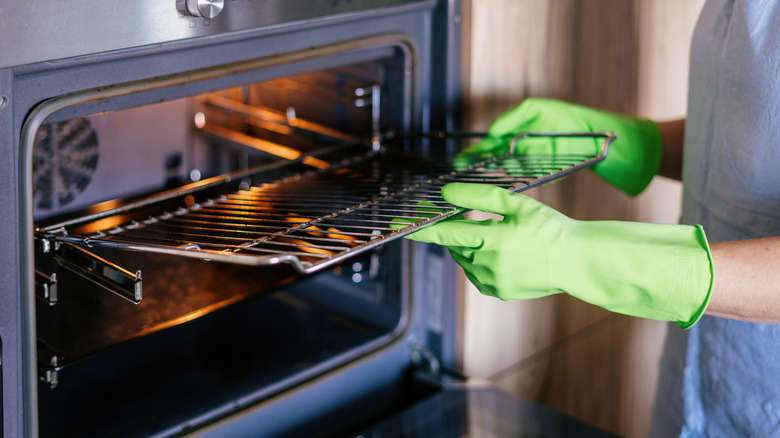
It's tempting to just leave all the dirt and grime, especially if they've become a pain to remove, but cleaning the oven racks is essential. Not only does it ensure the longevity of your appliance, but it's also important for safety reasons. "Grease and burnt food buildup can cause smoke and become a fire hazard. Keeping your oven racks clean is also essential to eliminate harmful bacteria and unpleasant odors," Ian Palmer-Smith said.
There are several oven cleaning hacks you need to try that make what seems like a tedious process so much easier, including soaking the racks in a sink or tub filled with hot water and dish soap. If there's stubborn grime, you can even add baking soda to the mix. After a few minutes, once the dirt clinging to the racks becomes softer, you can easily clean it with a sponge, or a brush if there are still some remnants. Alternatively, you can leave them to soak overnight after spraying a cleaning solution. The next day, it should be a breeze to wipe out the gunk.
Using your oven as extra storage space
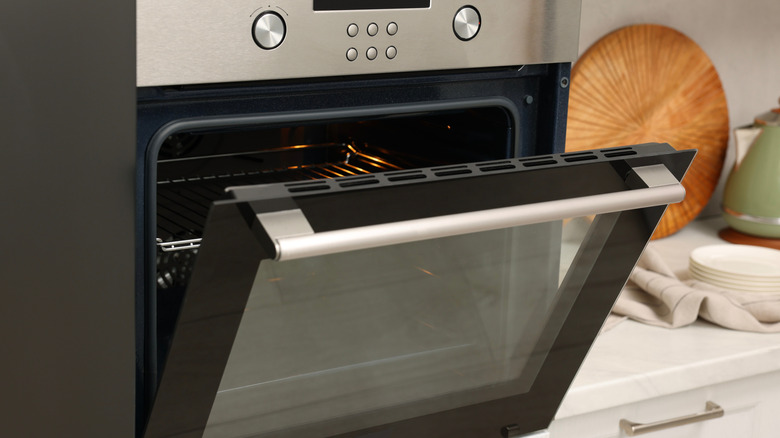
Raise your hand if you've ever used an oven as storage. Come on, we've all been there. However, it's a dicey habit that can put you at risk. "It is easy to forget about items inside before turning the oven on," Ian Palmer-Smith shared. "If any plastic [were] to melt and fuse with the oven racks, this can be really tricky to properly remove, so you risk damaging your oven and requiring an oven repair — as well as creating an avoidable fire hazard."
Even if you manage to take things out before turning on the oven, placing them back inside again can do harm, especially if you haven't let things cool down. To be on the safe side, don't do it at all. If there isn't enough space to store your cooking essentials, there are affordable ways to add more storage to a small kitchen so you don't have to resort to using a risky alternative. For instance, a cabinet storage rack can solve the issue while making your space look clutter-free.
Failing to cool down the oven before cleaning
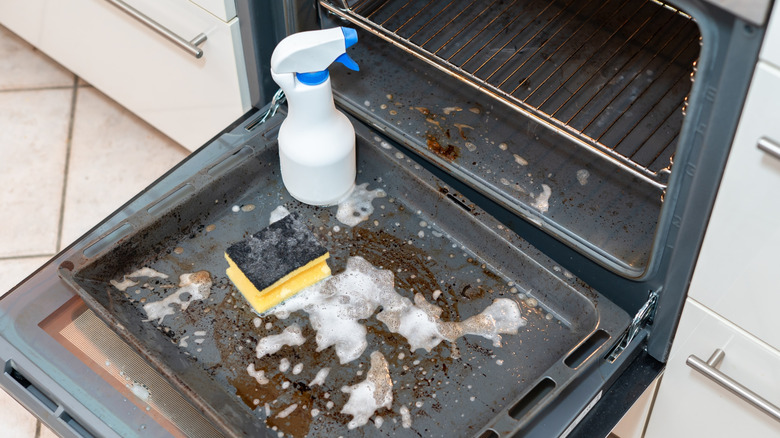
You can hurt yourself if you don't let the oven cool down before you begin cleaning, but that's not all; it can also make your efforts futile. "Applying your cleaning products to a hot oven can prevent them from doing their job properly," Ian Palmer-Smith noted. He recommends letting the appliance cool for 30 minutes or so before erasing the evidence of the mess.
However, you can start as soon as the oven feels less than hot. In fact, the residual warmth from using the appliance can help make wiping down grime and spills easier. After everything has finished drying, the oven is ready for your next culinary masterpiece. If you utilized the self-cleaning setting, it can take about 30 minutes for it to be set for the next cooking session.