

Does Fertilizer Ever Go Bad? Here's What To Consider
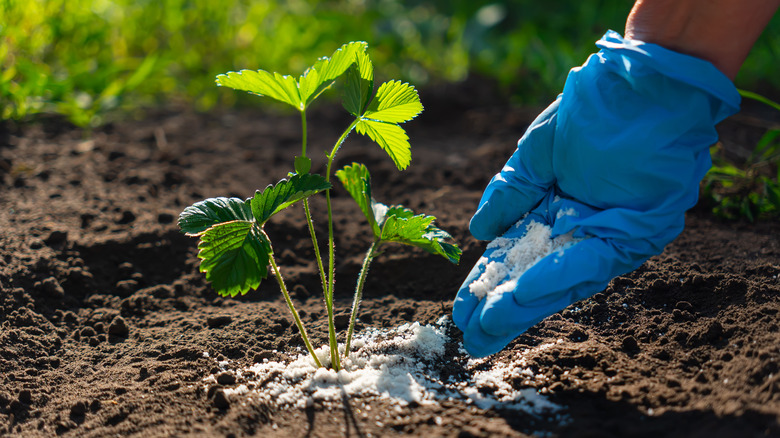
If you're a home gardener with a Costco habit (or another bulk shopping method of choice), you may have wondered whether that big bag of fertilizer is still good after a year or more. The very short answer is that fertilizer doesn't generally expire, or at least not quickly: Many containers don't even have expiration dates. That said, it varies between fertilizer types, and you may need to pay attention to storage if you want it to last.
Granular fertilizers can technically last indefinitely, as long as they're kept dry and away from moisture. The main thing to watch for is clumping: in humid conditions, this fertilizer can absorb moisture from the air and stick together. If you find clumps, just break them up; it doesn't necessarily mean the fertilizer has lost its effectiveness.
Liquid fertilizers are a different story. Synthetic liquid fertilizers can last some eight to ten years, or more if stored correctly (there are slightly varying opinions on the number of years, but suffice to say, they're long-lasting). They may still separate over time, but you can shake them to mix the components back together without losing any effectiveness. Organic liquid fertilizers don't have that same staying power, though. Liquid organic fertilizer typically has a shelf life of one to two years. If you're using a "weed-and-feed" product to fertilize and kill off weeds, bear in mind that the herbicide part can lose effectiveness fairly quickly — sometimes within one to two years — even if the fertilizer part is still fine.
What to pay attention to when using fertilizer
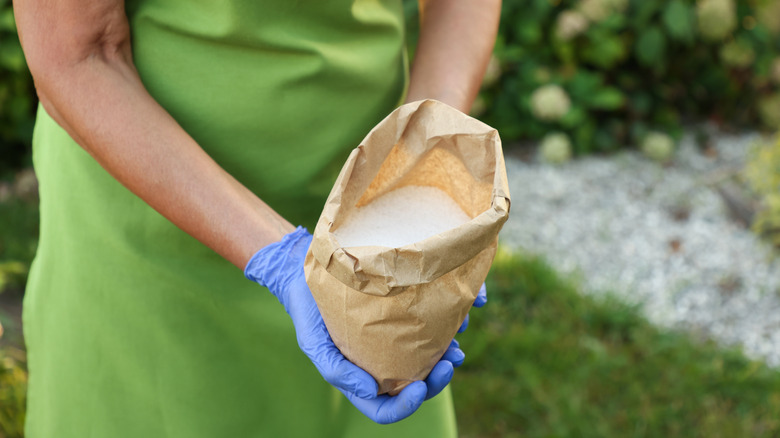
It's really organic fertilizers that you'll need to be more attentive to, as it's not just that they lose effectiveness. Because they're made with organic materials (as opposed to the synthetic fertilizers), they can develop bacteria or mold that may actively harm your herbs, veggies, or whatever else you're growing at home. Look out for mold growth, bottles that are oddly bulging or expanded (a little in the same way you should avoid swollen packages of meat), or a bad smell. Bear in mind that fertilizers often don't smell great, especially if you're using a fish emulsion fertilizer, so the sniff test alone might not be a perfect solution. Once you dilute fertilizer (fish emulsion or otherwise), you should use it quickly, within a day or two.
If you want that fertilizer to last as long as possible, storing it right is key. You'll want a cool and dark location, although not cold: If liquid fertilizers freeze, they can separate and become less effective. It should be a relatively dry place; below 70% humidity if you're really focused on precision. You'd be wise to keep it in well-sealed containers — for dry fertilizers like the granular kind, this is important for keeping water out. Whatever type of fertilizer you're using, try to keep it off the ground so it's protected from problems like moisture or rodents. If there are storage instructions on the label or packaging, follow those, of course.