

How A Typical Breakfast, Lunch, And Dinner Looked During The Great Depression
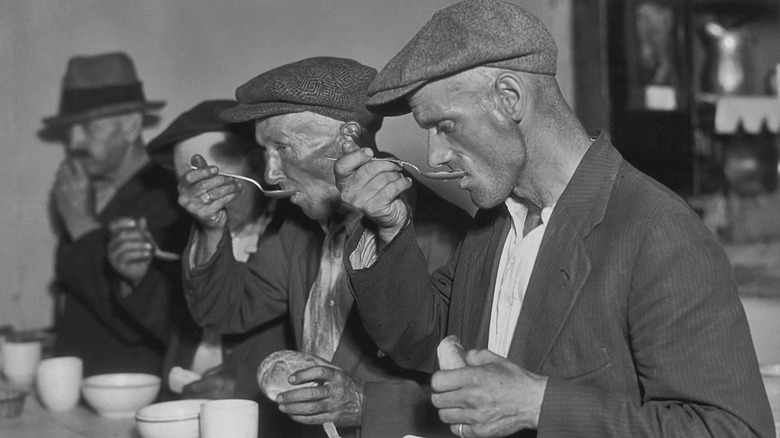
The Great Depression lasted from 1929 to 1939. Banks failed, stocks crashed, and businesses went under, causing financial strain on the masses. Understandably, this harshly affected what people ate — times were tough, food got expensive, and people had to save where they could. This changed what meals looked like, be it breakfast, lunch, or dinner.
During the Great Depression, Americans were forced to turn to some fascinating foods at times (such as sardine and raisin-bread sandwiches), and a big part of cooking meals during this period was choosing recipes that would last multiple days. People needed to stretch their meals and budgets, which meant cheap, high-protein ingredients were necessary (beans, for example, were a lifesaver to many). They may not sound appetizing now, but here's what a typical breakfast, lunch, and dinner looked like during the Great Depression.
A hearty and filling breakfast of protein and starches
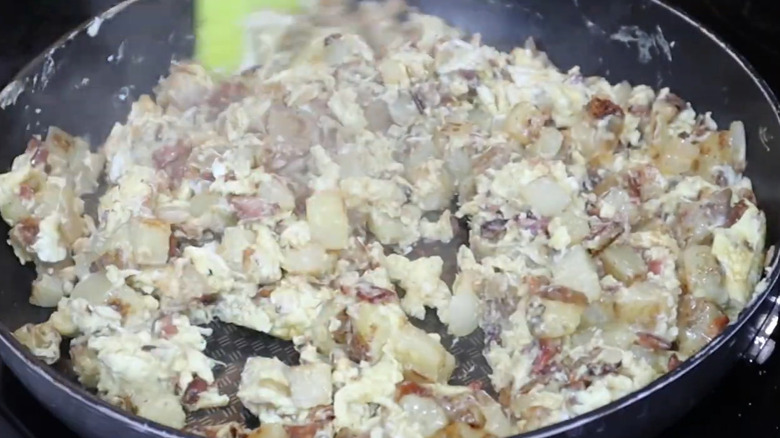
A filling breakfast was important during the Great Depression because people didn't have a budget for snacking between meals. The homestead breakfast was a staple in households because of its hearty, protein-filled ingredients. It was essentially potatoes, bacon, and eggs, cooked together with chopped onions to form a little breakfast stew. This dish kept families fuller for longer and the ingredients, especially potatoes, were affordable.
Sometimes, breakfast could be on the sweeter side. On her YouTube channel, Great Depression survivor Clara cooks a "Depression Breakfast" of her childhood, mixing together sugar, eggs, and flour to make sugar cookies. Her family would dip the cookies in coffee (made by boiling water in a pan and grinding your own beans) with lots of condensed milk added in for a special Sunday breakfast. This was a sweet treat, as well as a necessary break from all those potatoes — seriously, potatoes were everywhere during this time period.
Lunch filled with nutrients and fiber
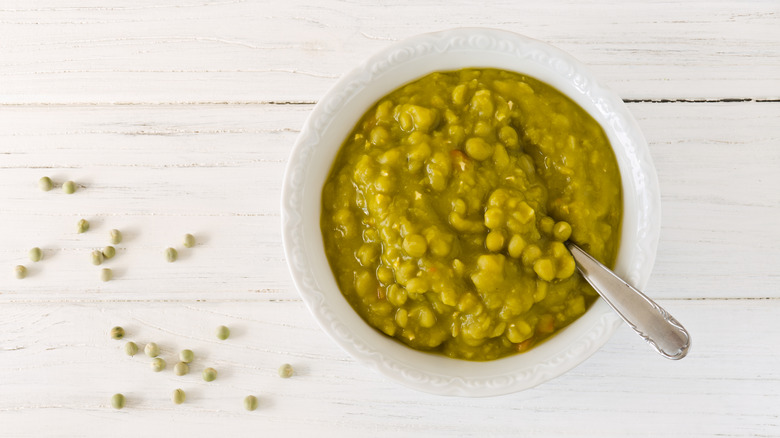
Staples of the kitchen for lunchtime during the Great Depression included soups, rice, and pasta, all cheap without any refrigeration necessary. Split pea soup was a popular choice for lunch since it was extremely cheap to make and used minimal ingredients. Split peas are packed with protein and fiber, making them hearty, filling, and extremely nutritious. Plus, soups were another easy-to-stretch meal that could last families a few days.
Another nutritious lunch that could be made for essentially zero dollars is dandelion salad — yes, the weed is edible (just don't eat the flower). Families would go outside, pick dandelions, and prepare them for lunch (after intricately washing them). Another lunch staple eaten by many was simply called pepper and eggs. You'd chop up a green pepper, throw it on the skillet to cook in some oil, crack a few eggs into the pan, and season everything with some pepper. This was a light, super-filling, and nutritious dish that could keep kids and adults alike sated until dinnertime.
Dinner to feed the whole family (and last for days)
Meatloaf is the perfect meal-stretching food, which is why it was often a staple for dinners during this time. Specifically, many people made a huge 3-pound meatloaf during the Great Depression that would last days on end. The recipe could easily feed three to six people, and probably still leave you with some leftovers. It consisted of many ingredients, most of which could be swapped for others, adding a level of convenience to the dish.
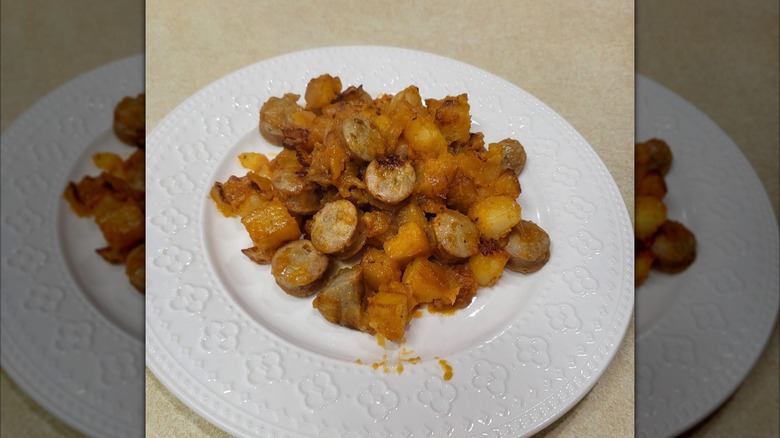
Another dish popular at dinnertime was aptly named the Poor Man's Meal, which utilized an ingredient essential to cheap cooking during the Great Depression: hot dogs. Hot dogs weren't just popular foods sold by street vendors during the time period — they were also an affordable protein for family meals. Poor Man's Meal was a combination of potatoes, onions, and chopped up hot dogs (plus salt and pepper) cooked in oil. One way to elevate the meal was to add some marinara sauce to coat the ingredients.