

Your Next Rum May Be Additive-Free (And Why It Matters)
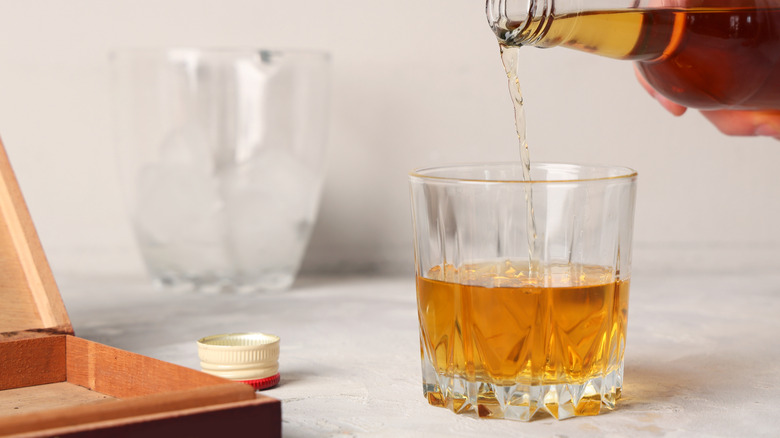
With the surprisingly fast rise in additive-free tequila that has shaken up the industry, another spirit may be primed for its own reevaluation of additives and transparency. The rum industry is rife with the use of additives — ingredients added after a rum has already developed its natural flavor through the distillation process. And producers, depending on the country of origin and amount used, aren't required to disclose this fact. Among the most common additives are sweeteners, flavorings, and caramel color, for consistency. We're not talking about flavored or spiced rums, which by their very nature have added ingredients post-distillation.
But some issues may stand in the way of additive-free rum gaining traction as tequila has done, according to the rum industry experts Chowhound spoke with. Among these are the vast differences between tequila and rum. Unlike tequila, which comes from Mexico and has a denomination of origin that specifies how the spirit can be produced, the rum industry is sprawled across the globe, with each country, in general, having very different standards.
"Rum does not have a denomination of origin, meaning that it can be produced anywhere in the world, using practically any type of process, and it can still be considered as rum," Eduardo Bacardi, director of sales and marketing for Ron del Barrilito, Puerto Rico's oldest rum maker, told Chowhound. Because of this, there can be a lack of transparency that may lead consumers to be skeptical of rum, he said.
A worldwide web of different rules
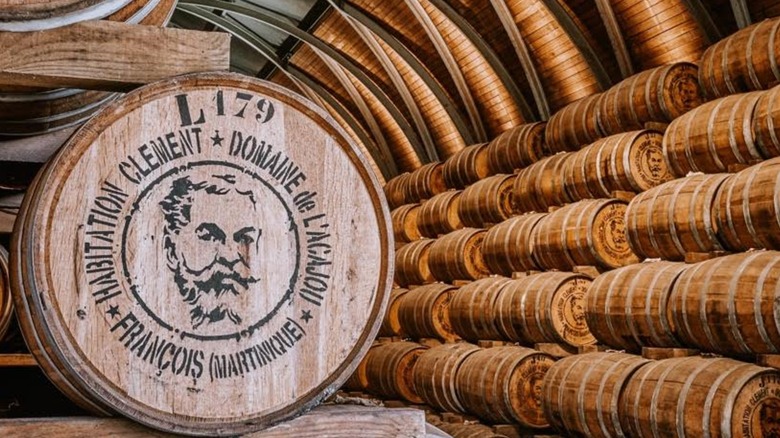
The range of what additives are allowed across the industry can be vast. In Martinique, there's the word's only rum Appellation d'Origine Contrôlée (AOC) for rhum agricole, a style made from fresh sugarcane juice rather than molasses, which is more typical in rum production. Between AOC and EU regulations, additives such as sweeteners and flavorings are prohibited.
"The Martinique AOC is very clear," Ben Jones, Spiribam's director for North America, which produces rums in Martinique, including Rhum J.M., said. "We can't add anything to it." Conversely, in India, distillers are allowed to sell products made from grain spirit with artificial rum flavoring labeled as rum, according to Madhu Kanna, head of International Business at Piccadily Agro Industries Ltd., which produces the award-winning additive-free rum Camikara, India's first agricole-style rum.
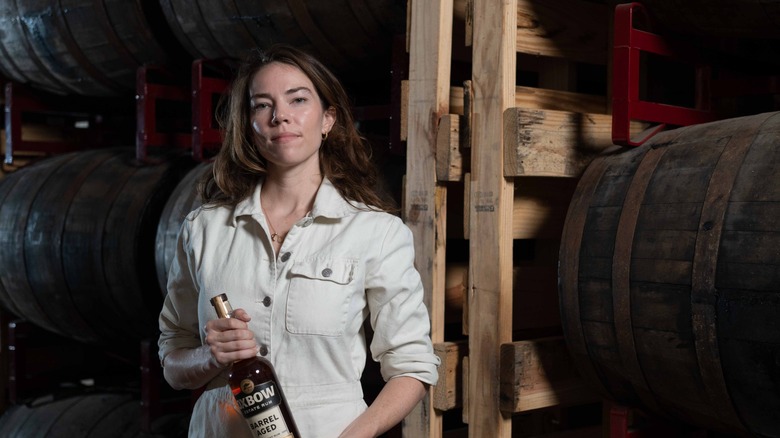
As of now, there's no global standard for what additive-free even means. Regardless of this, some distillers are forging ahead, producing rums without sweeteners, added flavorings, or even caramel color, and are branding around this fact. In Louisiana, Oxbow Rum makes a line of estate rums without any additives, even though U.S. regulation allows for up to 2.5% by volume of "blending materials." Olivia Stewart, Oxbow's president, believes producing her rum this way honors all the work that goes into its production. "I want the raw ingredients to shine and not be masked by adulterations," she said. "Anything but would forsake all that hard work and dedication at every step."
Will the rum industry change?
There are some hurdles before additive-free rum makes the kind of inroads that tequila has. Consumer education seems to be a common goal, since, according to Olivia Stewart, many consumers don't realize that some rums have additives. Meanwhile, producers are waking up to the potential for change. "There's definitely more awareness within the industry, which is how it all starts," she said. "I think it's a great sign, and the craze with additive-free tequila has certainly helped." Likewise, Madhu Kanna believes consumer awareness is key. "In India, I would say we are still at the nascent stage, and a lot of education needs to happen on additive-free rums," he said. He'd like to see the category grow and believes once consumers taste it, they won't go back.
Eduardo Bacardi has begun to see some change in the industry, driven by consumer interest. "As a result, in order to become relevant and gain the trust of the consumers, rum brands have opened their doors regarding their history, production methods, and ingredients used in their products," he said. Ben Jones takes a more easygoing approach, believing there's room for everyone, including sweetened rum. "I wish people were transparent about it, but they've also brought a lot of consumers into our category," he said. If you're interested in additive-free rums and want to leave other rums on the shelf, they're out there if you look, and may soon be joined by more brands as the category grows.