

The 10 Best Spices And Herbs For BBQ Pork Ribs
We may receive a commission on purchases made from links.
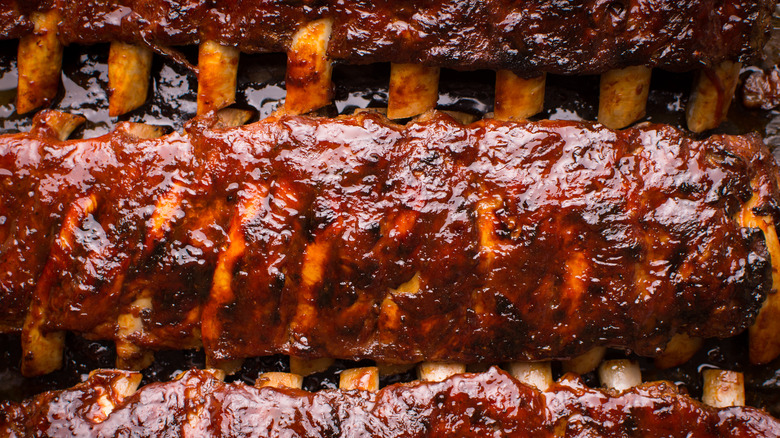
When preparing barbecued pork ribs, your first thoughts are likely how to cook them to the perfect tenderness and which brand of barbecue sauce to buy (we found the best and worst grocery store sauces to save you a step). But the way you season those ribs is just as important as the sauce you coat them in. You can pick up your favorite store-bought seasoning blend, but if you have a decent-sized spice cabinet, there's a good chance you already have most of the ingredients you need to create the best barbecue seasoning.
A blend of earthy, spicy, and zesty herbs and seasonings will create a compelling complexity that packs a flavor punch, but balance is key. You don't want a rub that only includes cayenne, paprika, and chile powder, or it might be too spicy. In contrast, you wouldn't want to add only garlic powder and dried mustard, or it could be too sharp. Be careful about adding too much salt to your seasoning, too. Although salt is necessary to bring out flavor, it's important to salt the meat itself to help tenderize it and retain some of its moisture during cooking. (And if you're salting the meat, then you don't need to add much additional salt to the dry rub, if any.) With that in mind, here are some of the best spices and herbs to build major flavor for your ribs.
Black pepper
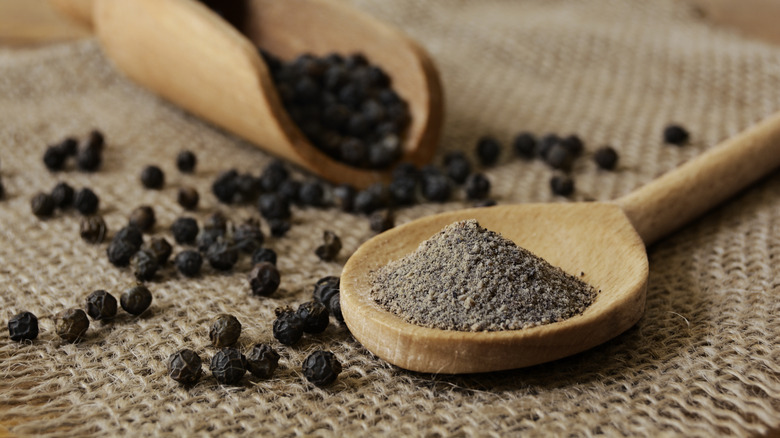
Black pepper is one of the most fundamental and popular seasonings in a dry rub. It adds a mild, earthy spice when used properly (meaning don't over-pepper the rub) and works alongside the other seasonings and herbs without overpowering them. Freshly ground black peppercorns will be sharper and more robust than pre-ground, so consider this when adding pepper to your dry rub.
Garlic powder
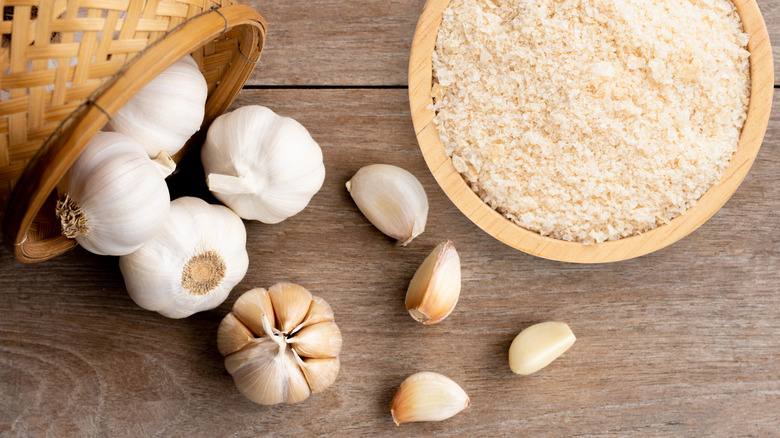
Garlic powder adds a familiar allium bite but with a milder edge. This dried and pulverized garlic helps build that savory flavor profile and also gets evenly distributed within the rub (something that's nearly impossible to do with fresh garlic). That potent allium flavor pairs well with everything from brined meat to spicier ingredients, helping to nicely round out a savory barbecue rub.
Onion powder
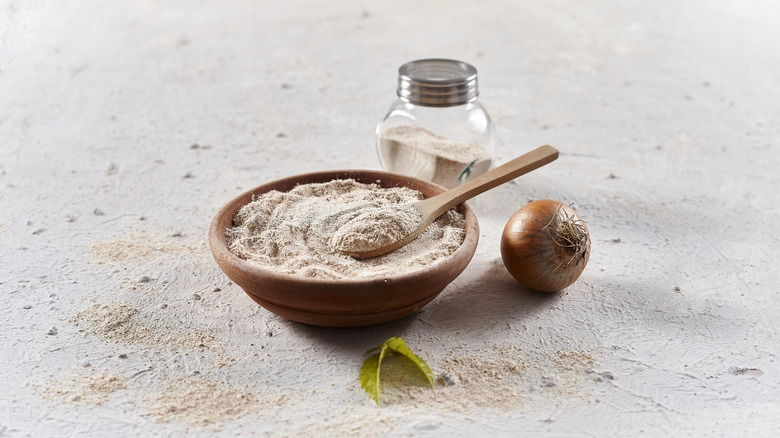
Onion powder has a similarly mellowed-out flavor as garlic powder, but it replaces the titular allium instead. It lends a similar bite to barbecue ribs, but onion powder is slightly sweeter. This dehydrated powder is great for developing a nuanced savoriness without going overboard. But a little goes a long way, so consider a taste test as you go.
Dried mustard
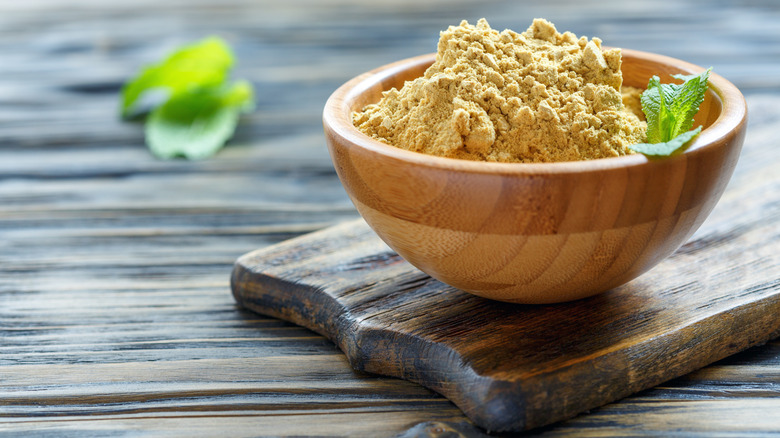
Dried mustard is pungent. It has a pronounced sharpness to it that adds a zesty, almost tangy flavor to any blend of herbs and spices, making it essential to a well-rounded rib rub. Classic vinegar-based mustard is actually a great condiment base for holding a dry rub to the ribs, but if you'd rather not slather your pork in it, adding dry mustard will yield a similar flavor profile.
Dried thyme
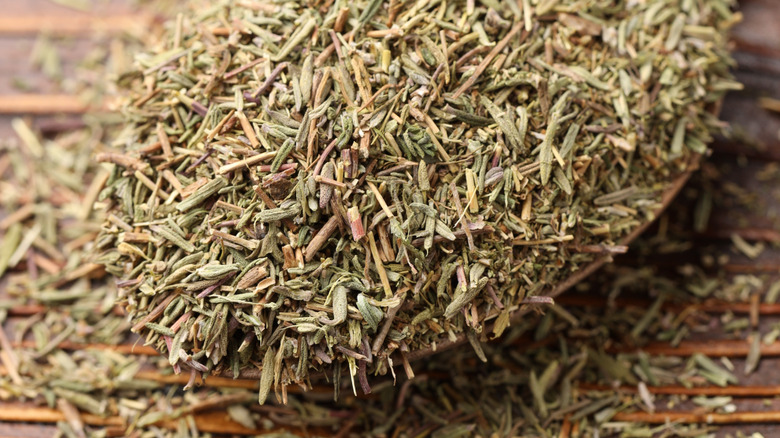
To complement your rub's zestier seasonings, grab something a little earthier; dried thyme is a great choice. It has a slightly woody profile that many other spices don't possess, so it offers a nice contrast to those sharper, more pungent ingredients. Plus, it's a durable herb, so it can handle a long cooking time, such as in low-and-slow-cooked ribs.
Dried oregano
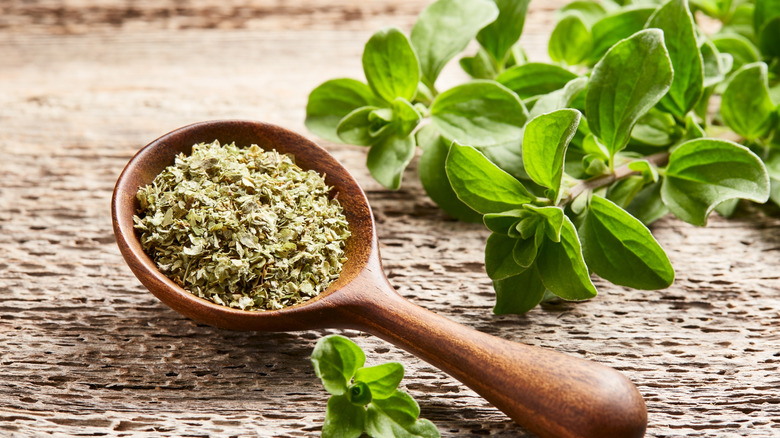
If you don't like the bold flavor of thyme, you can go with a versatile, similarly earthy herb like dried oregano, which celebrity chef Ina Garten actually prefers to the fresh kind. Oregano pairs well with anything tomato-based — including barbecue sauce. Dried oregano is slightly bitter, so this is a great one to include if you're going for a sweet contrast, such as with a rub that has molasses.
Cayenne pepper
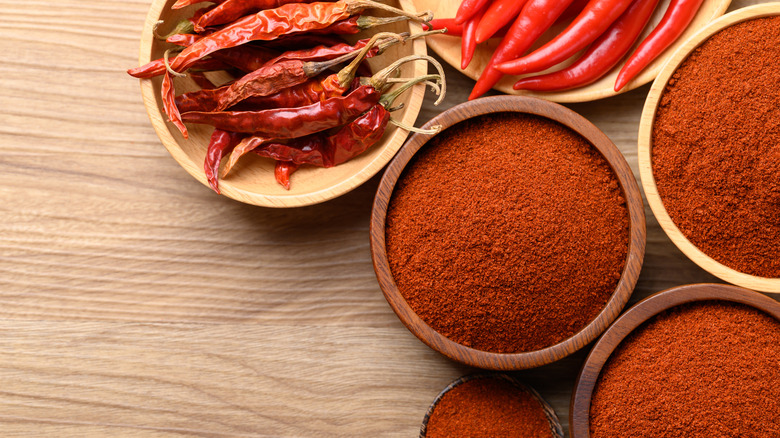
Ground cayenne's job is to bring the heat. It's snappy and spicy, but in a way that's less complex than something like paprika or chile powder. It's a great addition when you're looking for that blast of spice in your dry rub. You'll especially want to use it for pork ribs if your barbecue sauce is on the sweeter side.
Paprika
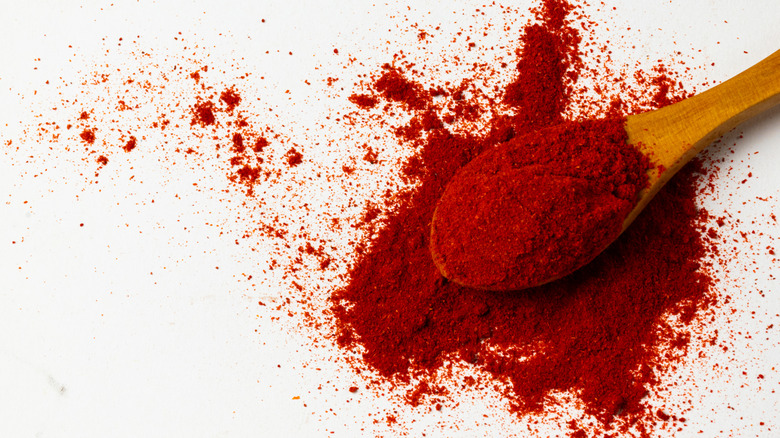
Paprika adds plenty of earthiness along with mild spice. It also comes in a few different varieties, such as hot and smoked, the latter of which is especially useful if you can't actually smoke your ribs. You can also use standard paprika, which has a hint of sweetness. This spice is also great paired alongside cayenne for extra heat.
Chili powder
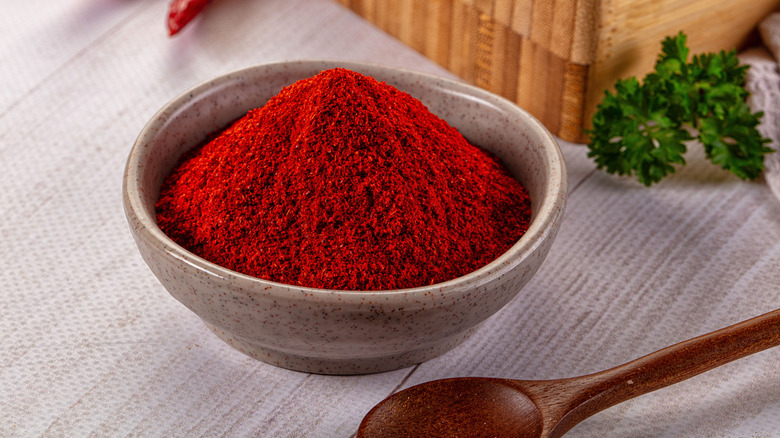
This ground pepper blend is just that — different chiles mixed together, then ground into a spicy powder. It has a fairly complex flavor and often contains other seasonings, making it great for a quick, easy dry rub. For extra smokiness, look for versions containing ancho or chipotle chiles like McCormick Dark Chili Powder. Just pair it with some sugar, or brush the ribs with honey before coating them with the chile powder.
Cumin
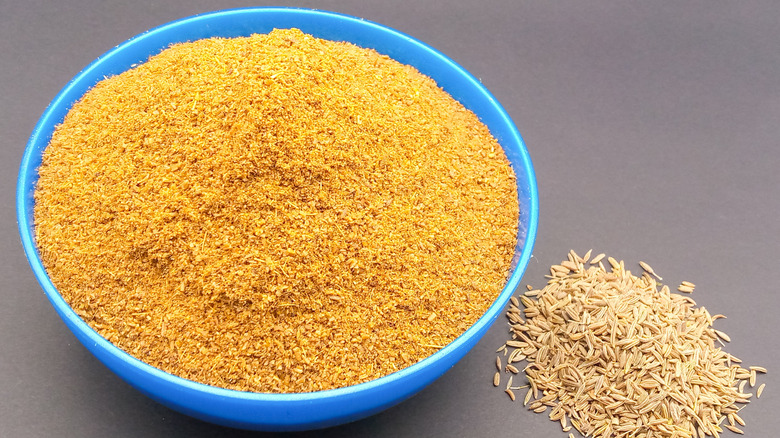
Cumin has a flavor profile that's hard to compare to anything else. It's not quite spicy, but it does have an aromatic, warm flavor that makes it a popular spice in dishes with heat. It's also commonly used in chile powder. It's a great addition to a homemade dry rub, acting as a kind of flavor bridge between the other rub ingredients.
Brown sugar
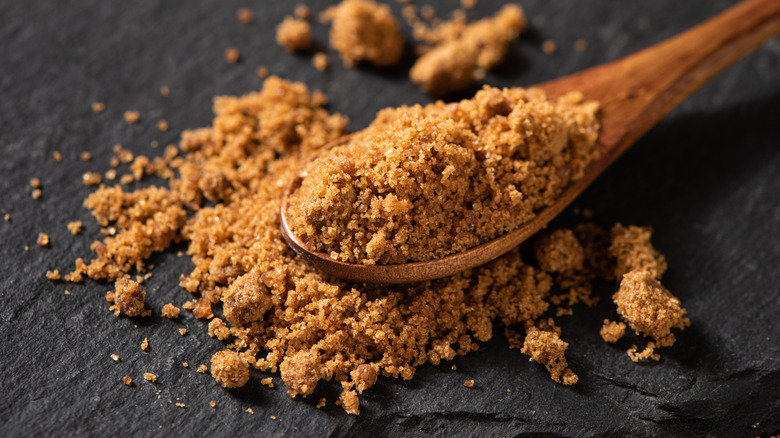
All herbs and spices add some level of savoriness, and while brown sugar is neither an herb nor a spice (it's a sweetener), it's important to mention here because it's a widely used seasoning in many barbecue rubs and sauces. The molasses-infused sugar adds a rich sweetness and caramelizes beautifully as the ribs cook. It's worth including to complement the salty and savory elements of both the pork and your rub.