

Why Growing Multiple Tomato Varieties Together Can Backfire
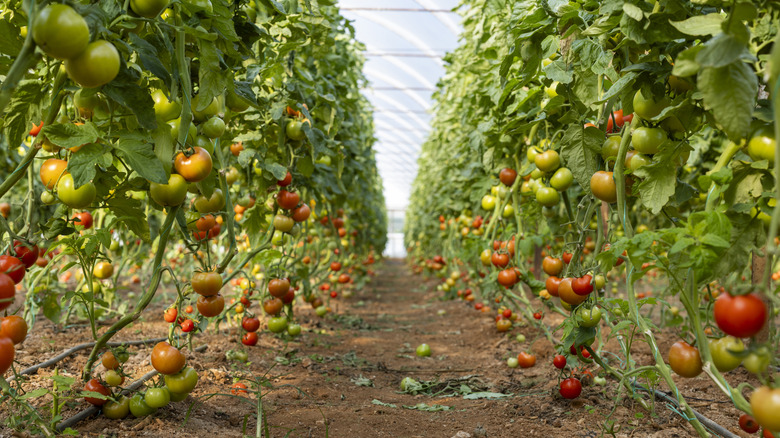
Something as innocent as growing multiple tomato varieties together can have a side effect on your garden. To get all the details on this potential issue and how to avoid it, Chowhound exclusively spoke with two experts. "... planting susceptible and disease-resistant tomato varieties together may create a reservoir host allowing the disease to perpetuate in the garden," said Natasha Grosskopf, a vegetable product manager for PanAmerican Seed, a member of the National Garden Bureau. "There may also be fertility and watering issues, as well as plant maintenance difficulties, as too many different varieties might have unique needs."
That said, it's not always detrimental to your garden to grow different tomato varieties alongside each other. Plant Addicts horticulturist Jessica Mercer, Ph.D., mentioned a bright side to it. "It is fine to grow several tomato varieties together if you are growing them for eating," she said. "Tomatoes are mostly self-pollinating, so crossing is usually not a concern unless you plan to save seed, especially from heirlooms or other open-pollinated varieties."
Cross-pollination is when pollen from one plant transfers to another, creating a whole new variety of plant. While all tomato varieties are compatible with each other, meaning they can all cross-pollinate, it doesn't easily happen – but it becomes possible when bees enter the picture. Whether you're growing the easiest tomato variety to plant or introducing more complex types, some pairings feel like a fated match; others, you want to place as far away from each other as possible.
Planting different tomato varieties together
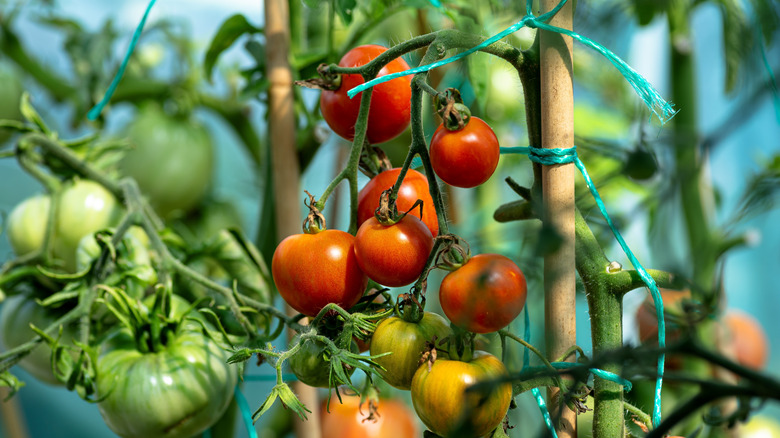
Natasha Grosskopf has an easy way to approach grouping varieties together, saying to pick ones you think you'd enjoy (preferably ones that can thrive in your garden). "Once those choices are made, group them in the garden by habit, fruit size, and disease resistance," she said. Even if you know the hacks for getting rid of vegetable garden pests, prevention can be better than cure. Brandywine, for instance, can be a great neighbor for Big Beef, as they can complement each other in terms of taste and disease resistance. Yellow Pear and Roma are another powerful duo that can do wonders in your garden. Both varieties can result in sweet, full-bodied fruit after cross-pollination. So, if the combination works, cross-pollination can be a good thing.
That said, there are tomato species that aren't good together, like tall, indeterminate tomatoes and dwarf varieties. "The larger plants can shade the smaller ones, restrict air movement, and make spacing harder to manage," Jessica Mercer said. Indeterminate tomatoes, in Grosskopf's words, "...will continue to grow tall while giving a continuous supply of flowers and fruit throughout the season until the frost." Meanwhile, determinate tomatoes reach only around three to five feet, growing fruits faster. "Having large-fruited and small-fruited plants together may also create issues with... watering and spacing needs," she added. Once you figure out the best tomato variety pairing, planting them can be a beautiful thing, and the fruits of your labor can be a tasty arsenal for your different kitchen needs. And perhaps, as a safeguard, you can even plant companions to your tomatoes to really help them thrive.