

What Are City-Owned Grocery Stores (And How Do They Differ From Your Everyday Chains)?
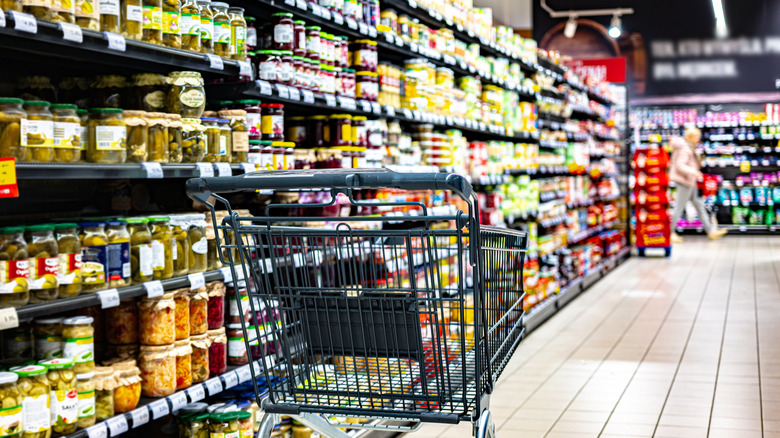
City-owned grocery stores are getting a bit of attention lately as New York City recently announced plans to open one in each of the city's five boroughs, starting in East Harlem. But if your town doesn't have city-owned grocery stores, you might be wondering what exactly they are and how they differ from the everyday chains many people shop at. At its core, a city-owned grocery store is exactly as the name implies: owned and operated by the city in which it is located, as opposed to privately owned companies and family-owned grocery stores like Ridley's. The model allows local shoppers to better afford essential items.
At privately owned grocery stores, where profit is a primary goal of the business model, customers often have to look for weekly deals on meats and other products in order to stretch their budget. But the goal of city-owned grocery stores isn't to just offer weekly specials — it is to simply offer lower prices across the board. In the case of the planned stores in NYC, the city would own the property, which would cut back on overhead, like rent, that forces privately owned grocery stores to charge higher prices, thus allowing the savings to be passed on to customers in the form of lower prices on essential goods.
According to the U.S. Bureau of Labor Statistics, the average household in the United States spends more than $6,000 each year on groceries, and that price is part of an upward trend — the cost of groceries rose by 34% between 2019 and 2024. That is a clear indication that a grocery store that can help ease the burden for families could be a great solution.
City-owned grocery stores are not a new concept
The concept of government-owned grocery stores sounds like a positive one: lowering the cost of food so more people can afford to feed themselves and their families. But the concept isn't a new one. New York City has actually been operating several Public Retail Markets since 1937, which are aimed at offering affordable fresh food to residents. Atlanta, Georgia has a successful version that opened in September of 2025, the city-run Azalea Fresh Market that is offering fresh and nutritious food at affordable prices. The military operates a very successful public grocery system at military bases across the world, which follow a similar model of government-funded grocery stores offering affordable goods (although this option is reserved for military members and their families).
But despite the success stories, there have also been some failures. Cities like Erie, Kansas and Baldwin, Florida have taken the plunge with city-owned grocery stores but were not able to sustain their operations, largely for financial reasons.
Many NYC shoppers seem to be optimistic about the idea of cheaper groceries; however, not everyone is a fan of the city-owned model. Critics believe that working out deals to offer government support and subsidies to existing stores would be more beneficial, especially since stores that can undercut privately-owned grocers will create significant competition and possibly contribute to the closure of other local businesses.
Grocery stores are frequently experimenting with new products, new marketing campaigns, and new payment options. Whether or not city-owned grocery stores will be considered an experiment or the wave of the future remains to be seen, but it's exciting to watch how the success of this market model pans out.