

The Boomer Kitchen Habit That Makes A Lot Of Sense When You Think About It
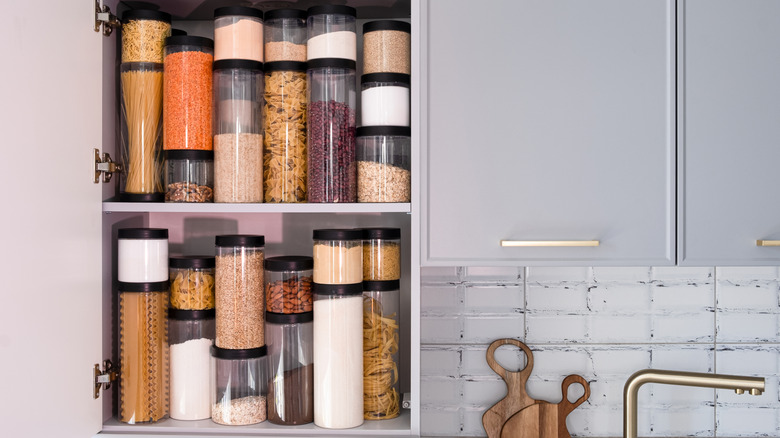
If you've spent any time in the kitchen of a baby boomer — that is, anyone born between 1946 and 1964 — you may have noticed something. Glass jars are washed out and put back in cupboards, foil is smoothed out and folded for later (yes, foil can be reused), and little containers of knickknacks are kept "just in case." If you aren't a boomer yourself, but your parents are, it's all too easy to roll your eyes at their frugal habits. But once you understand the reasons, you'll better appreciate them for what they are.
Most boomers were raised by members of the Silent Generation or the Greatest Generation, who were shaped by the Great Depression and World War II. In those days, making household goods stretch out and last long wasn't a habit for habit's sake — it was a necessity. And for many in this generation, even once abundance returned, they held onto these habits and passed them on to their children. I remember my grandmother would make tea and then reuse the teabag up to three times despite having boxes of tea in the cupboard and no shortage of funds to buy more. It all came from a time when waste felt unnecessary, even careless.
How and why to implement these habits today
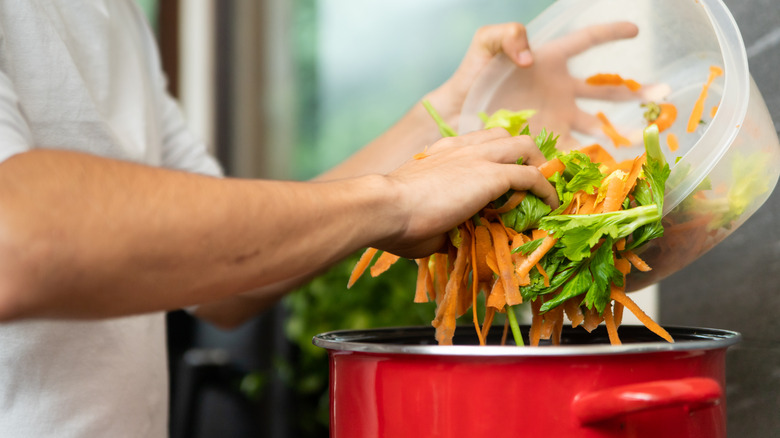
While we could just write them off as old-fashioned, having this mindset today is actually still useful. We aren't living through the turmoil experienced by older generations, but the world is still subject to periods of instability, and in those moments, small habits start to matter more. And some of the easiest boomer habits to borrow are actually the simplest ones. For example, keep your vegetable scraps in a bag in a freezer throughout the week and use them to make a stock once it's full, or turn your leftovers into a hearty soup instead of just putting them in the compost. Once you get into the swing of being resourceful like this, overlooked and discarded items like carrot tops stop being trash and instead become the base for a delicious pesto.
And this brings us to environmental impact. Creatively upcycling kitchen old coffee jars or holding onto any sturdy takeaway containers will mean that you're contributing less to recycling and landfill without much effort, and they'll often come in handy. There is, of course, a fine line between being cluttered (a boomer stereotype) and being resourceful, but these days, there is certainly room in our kitchens for a little more frugality and scrappy thinking.