

Forget Grilling Veggies: This Is The Technique You Should Use This Summer
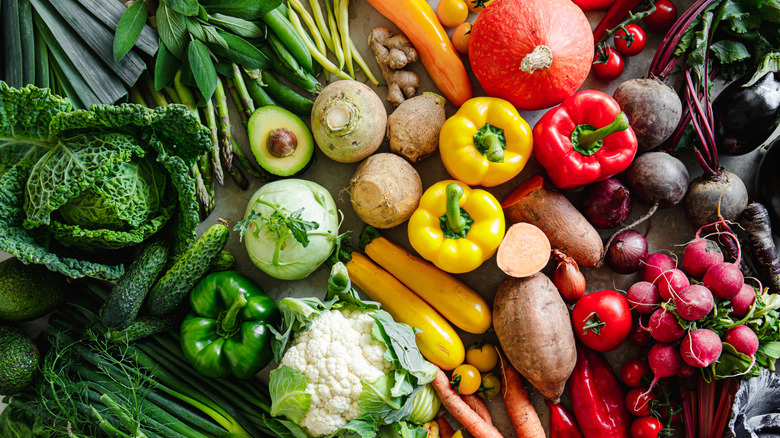
Though grilled veggies are the usual go-to for tempting your tastebuds with charred deliciousness, smoking your veg brings the same woody, primal flavor it does to meat. Smoking is also a fairly hands-off cooking technique. Rather than hovering over your grill to make sure your vegetables don't burn or get mushy, you can simply slip them into the smoker and let them do their thing. Whether you're looking for a tasty cooking method to crowd more veggies into your meals or you need an exciting way to use up the dregs in your crisper drawer, smoking is the way to go.
Just as smoking prime rib infuses it with deep richness, smoking vegetables, a food usually relegated to "boring side dish" status, makes them an exciting new headliner on your weekly menu. Imagine how earthy and flavorful smoked broccoli could be. Or the savory goodness of a whole-smoked butternut squash caramelizing in its natural sugars, smoke infusing it with the essence of hickory or pecan wood to create an almost barbecue-like flavor. This technique may even inspire you to make veggies the star of your table, taking weekly meatless Mondays to new heights.
The best part is that smoking your veggies is just as easy as grilling them. Simply slice, prep as desired, and toss them into your smoker on low heat — between 275 and 350 degrees Fahrenheit usually works — and give them up to 45 minutes to a little over an hour to become beautifully charred, tender, and gorgeously smoky. You may need to adjust your cooking times or the temperature based on the specific vegetable, but it's easy to master with practice.
Understanding your vegetables for smoker success
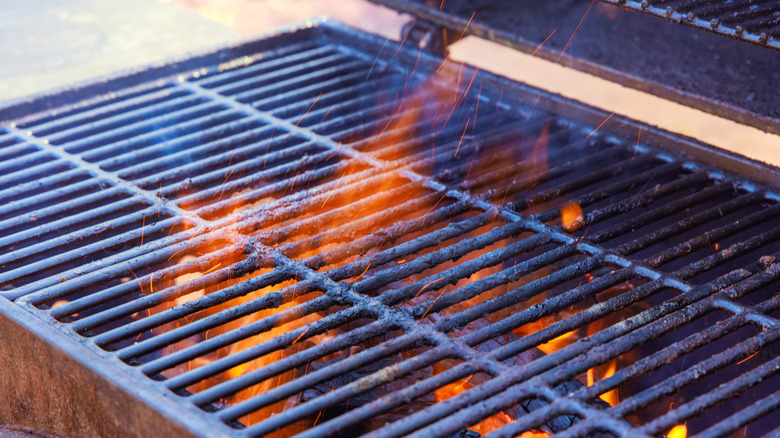
Since smoking happens at much lower temperatures than roasting (which is typically done at 400 degrees Fahrenheit or hotter), preparing your vegetables properly is the most important part of the process. Cut them larger than you would for roasting to help keep them from drying out due to the longer cooking time necessary at lower temperatures. Think 2-inch-long pieces of carrot or chunks of bell pepper and onion a little larger than a quarter.
Also note that some veggies are heartier than others and must be treated differently. For instance, tougher, more fibrous carrots need over an hour to become perfectly al dente, while soft, water-saturated zucchini may only need 30 minutes. For this reason, it's best to smoke similar produce together, pairing zucchini with bell peppers, red onions, asparagus (making sure to peel the thicker spears), and the like.
Carrots, meanwhile, can smoke alongside veggies like potatoes, beets, and fennel, as they require similar cooking techniques and times. That said, if you need a blend of vegetables with varying hardiness levels, such as bell peppers, potatoes, and asparagus, you can still smoke them together. Parboiling the tough veggies first softens them until they're just barely fork-tender and aligns their cooking time with the softer stuff. It also breaks down the fibers in hardier veg to soak up marinades and other flavors more easily, so it's best to season them afterward.
Which woods to use
As with any other cooking method, you'll need to consider which seasonings go best with your chosen vegetables and the prominent smoky flavor you plan to add. Marinating your veggies in jerk seasoning quickly amps up their wow factor and perfectly complements the smoke, though a garlicky Italian vinaigrette also makes a great marinade and brings bright, tangy notes that keep the smoke from being overwhelming. You can also toss them in a little beef tallow or melted butter and your favorite barbecue dry rub or keep things simple with salt and pepper until you discover how the smoke affects the flavor.
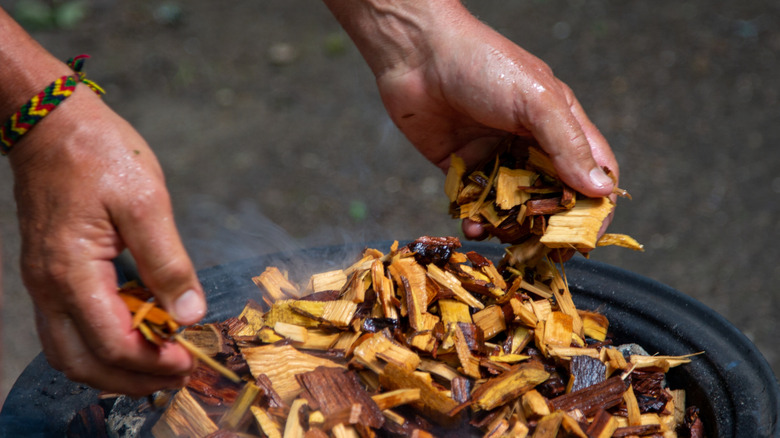
Something else that will greatly affect the flavor of the finished dish is the wood you use to smoke your veggies. There are many different types of hardwood you can smoke with (softwoods burn too quickly to use in smokers), with some imparting deep, heavy smoke flavor and others delivering lighter, sweeter, more subtle notes. If you're smoking tough root veggies, it's perfectly okay to lean on richer hardwoods like hickory, oak, or mesquite. Root veg are fibrous enough that they can pull in vibrant smoke flavor without losing their own flavor profile.
Softer veggies, on the other hand, may be quickly overwhelmed by heavy smoke, so it's best to use something with a subtler scent profile, such as maple, apple, or cherry. You'll still get a rich, hearty smoke from these woods, but that bite of tender bell pepper will still taste juicy and fresh, with a hint of sweetness from the wood that's more reminiscent of barbecue than a sugary dessert, so there's no need to worry your vegetables will come out tasting too sweet.