

Forget The Oven: Your Prime Rib Deserves This Method Instead
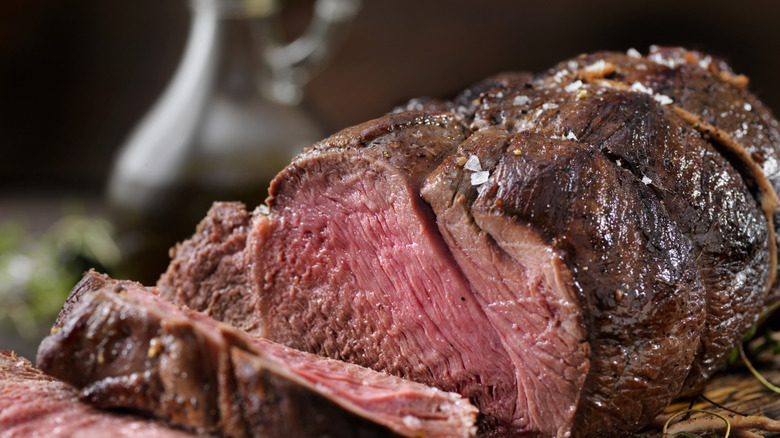
When it comes to special occasions, prime rib is the main dish your home-cooked spread needs. Ridiculously tender and juicy from lush fat evenly distributed throughout the meat, prime rib is usually carved in rounds from the top of the rib cage, an area that doesn't get much exercise, which is why these cuts of meat are so rich. Typically, prime rib is oven-roasted low and slow to render down all that delicious fat and protect the meat's silky texture. However, many home cooks are discovering that an even better way to achieve this is by slipping your prime rib into the smoker.
Though most people picture smoked meat taking forever to cook properly, prime rib actually only needs about 35 minutes per pound, which translates to about two hours in the smoker for smaller cuts. If you're cooking for a large group of people, say, closer to a dozen, you might be looking at more like six hours. Even if this is the case, the wait is likely worth it as smoked prime rib is superior to the oven-roasted version in a lot of ways. Both cooking techniques produce moist, fork-tender meat, but smoking infuses the meat with a deep, savory richness you just can't get from the oven.
Additionally, when properly smoked, prime rib benefits most from the reverse sear method to develop a perfectly crisp, caramelized crust. Rather than cranking up your oven's broiler and risking the heat being too high for too long, proper smoking technique allows the meat to rest for a bit before it's seared to perfection on all sides.
Tips for serving up the perfect prime rib every time
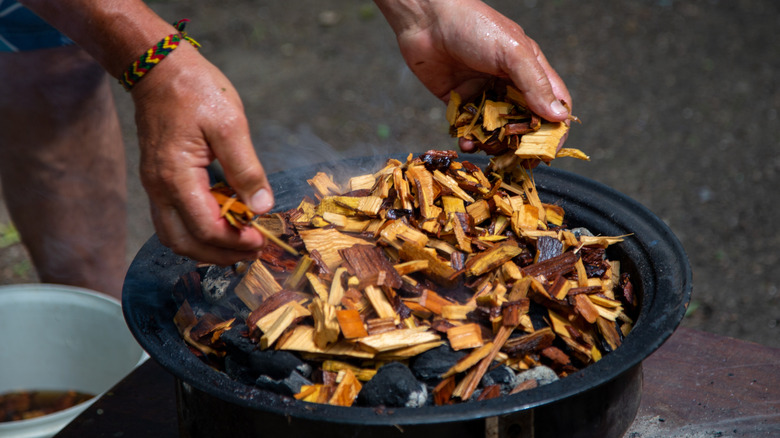
When smoking prime rib, the two most important components are the wood you choose to smoke with and the rub seasonings you apply to the meat's exterior. Generally speaking, fruit and nut woods impart a beautifully savory, mellow flavor with undertones of the food it produces. For instance, apple and cherry woods give a lightly tangy, fruity flavor, while pecan wood gives a subtly sweet, almost maple flavor. Hardwoods like hickory are also a fine choice, just be aware that these can sometimes give your meat a bitter aftertaste.
In terms of seasonings, you can't go wrong with flavors typically paired with beef, including garlic, fresh rosemary, dry mustard, and Worcestershire sauce. Coarse sea salt and freshly cracked black pepper add flavor and texture alike, greatly contributing to that dark, savory crust. Of course, you can also mix and match your favorite flavors, using thyme in place of (or in addition to) rosemary, and subbing in pink peppercorns, which are lighter and fruitier than other varieties.
Since prime rib is such a showpiece in terms of protein, it's also important to pair it with sides that can hold their own, such as sticky and sweet glazed carrots roasted in the oven, herby au gratin potatoes, or creamy mac and cheese. Slightly lighter options that still hold up include roasted Brussels sprouts, asparagus, or a hearty kale salad with plenty of fresh herbs, toasted nuts, and a tangy Caesar dressing or fruity apple cider vinaigrette.