

You Can Eat Raw Shrimp, But It's Not Advised. Here's Why
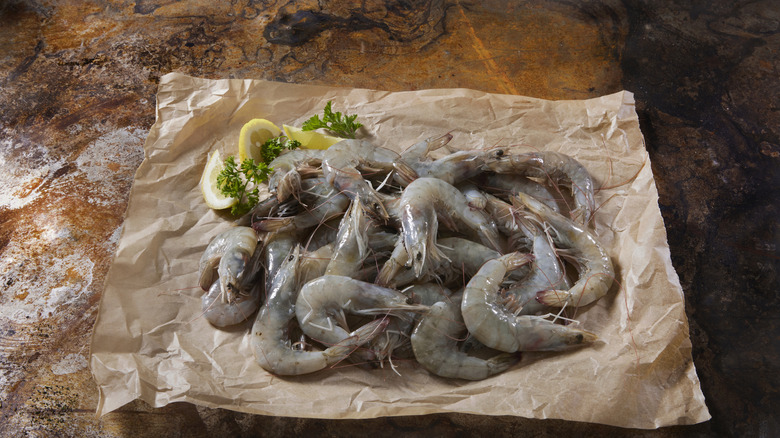
Something shrimpy this way comes, to a plate of pasta, a bowl of pho, and even a lovely dish of shrimp cocktail in the style of Jacques Pépin. There are so many ways to enjoy shrimp, most of which involve cooking. However, some dishes, such as ceviche and Korean-marinated shrimp, are served raw (no, technically speaking, ceviche is not cooked). These dishes are indeed tasty, but are they safe to eat? Unfortunately, the answer is no.
Eating raw shrimp, regardless of preparation or prior safety protocols, such as freezing, leaves you vulnerable to parasites and certain foodborne illnesses, such as vibrio, which can be incredibly dangerous, especially to those with compromised immune systems. You should hold off on eating raw shrimp straight from the pack, make sure to safely handle shrimp while cooking, and clean all surfaces and materials used to prepare your dish. It's also generally recommended to cook your little crustaceans to an internal temperature of 145 degrees Fahrenheit. This helps kill any possible contaminants.
A few notes on safety
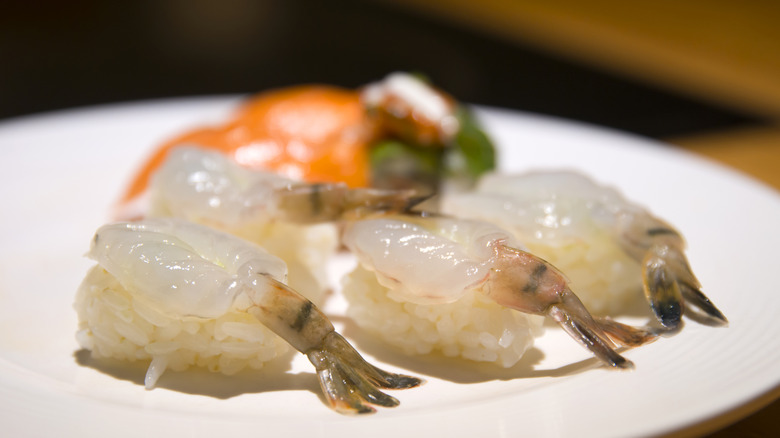
For some, raw shrimp is a significant factor in recipes. Raw shrimp sashimi is a staple at many restaurants across the globe, for example, and ceviche is still technically raw despite being prepared with citrus juice that acts as an antibacterial. These dishes may prove of interest to home cooks. While there is no way to totally remove the underlying risk associated with eating raw shrimp, there are some safety guidelines you can follow to reduce the risks.
You should, for example, make sure the raw shrimp you consume comes from a source with proper records of its freezing and handling history. Shrimp frozen to certain temperatures (minus 4 degrees Fahrenheit for seven days, or minus 31 degrees Fahrenheit for 15 hours) can kill parasites that might be lurking in the tender flash. If your shrimp has been properly frozen and stored, it can reduce the risk of illness. However, this doesn't mean it's technically safe, so eat at your own risk. It's also important to note that the elderly, children, those who are pregnant, and those with compromised immune systems should avoid raw shrimp entirely; its risks far outweigh the benefits.
How to tell when shrimp has spoiled
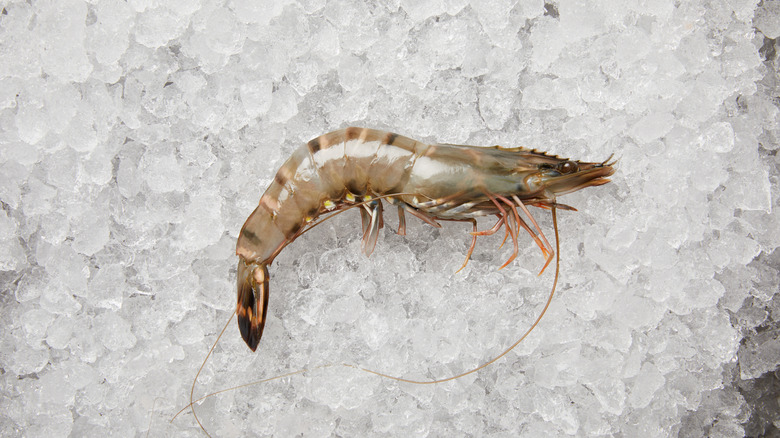
It's important to make sure your shrimp hasn't spoiled. Look out for slimy textures, changes in color, or smell. If your shrimp has taken on a sour or ammonia-like odor, it's definitely time to toss. In terms of storing the seafood, raw shrimp generally only lasts one or two days in the fridge while cooked shrimp can last up to four days. If your shrimp has passed that mark, definitely give it the heave ho.
For long-term storage, the freezer can extend your raw shrimp's shelf life to about three to six months, though shrimp can collect freezer burns pretty quickly that alter its flavor and texture. Cooked shrimp can keep in the freezer for about three months. To make sure your shrimp is kept at the best quality, mark the date it was placed in the freezer, and look out for signs of spoilage once thawed.