

A Look Back At Kroger's 25-Billion-Dollar Attempt To Take Over Albertsons (And Why It Failed)
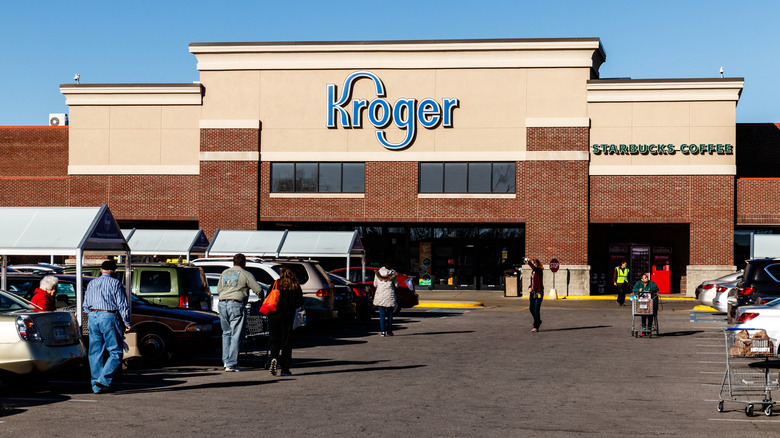
In 2022, what would've been the largest-ever proposed merger of two supermarkets was announced to the public. Grocery chain Kroger was set to buy fellow grocery chain Albertsons for a whopping 25 million dollars, with the goal of coming together to form a grocery giant to compete with Amazon, Walmart, Costco, and other big box stores. The plan was to combine many of the close-proximity Kroger locations (including Fry's, Harris Teeter, and King Soopers) and Albertsons locations (including Von's, Safeway, and Jewel-Osco) and sell off the leftovers to C&S Wholesale Grocers.
However, regulators worried that such a merger would cause grocery prices to go up, as there would be less competition in local markets. In February 2024, the Federal Trade Commission sued to stop it, and by December, the merger was officially derailed when a federal judge blocked Kroger's acquisition, under the guise that it would be harmful to shoppers. According to the FTC, the merger would also lessen competition generally, as well as make it harder for the employees themselves to fight for better pay, benefits, and work conditions — since there would be no other stores nearby to compete for these with.
The drama continued as the grocery stores started pointing fingers
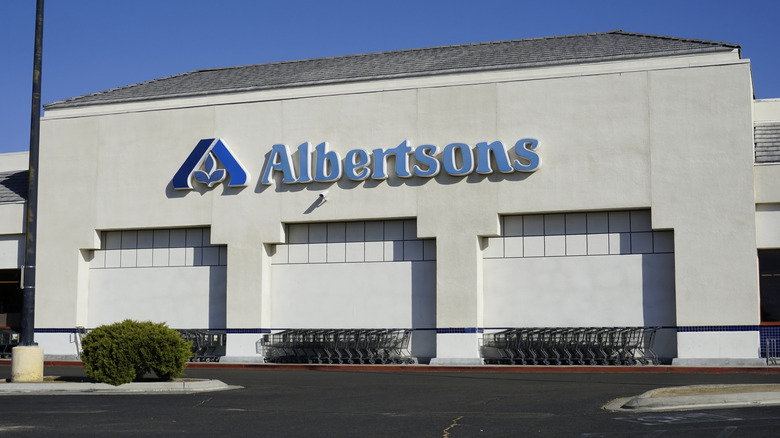
This merger didn't just fail, but unraveled into a messy blame game and legal battle, with Kroger and Albertsons both throwing punches at each other. Billion dollar lawsuits from both grocery store giants ensued. Albertsons claimed that Kroger didn't do enough to get the approval from regulators. The company went as far as to say that the Kroger likely had buyer's remorse when met with an initial pushback, which caused Kroger to take any action to help the deal succeed. Kroger, on the other hand, turned it back on Albertsons, claiming that it had secret negotiations with buyer C&S Wholesale Grocers.
As of now, the two grocery store companies are still caught in a huge legal battle, with settlements said to be happening sometime in 2026 or early 2027. California and other states have since joined the battle, seeking around 10 million dollars for helping with the block of the merger. The states claim that they are owed millions of dollars in legal fees and costs that piled up in their efforts to stop what has turned into one of the most expensive failed mergers ever.