

10 Grocery Shopping Mistakes You Should Avoid Making In The Meat Aisle
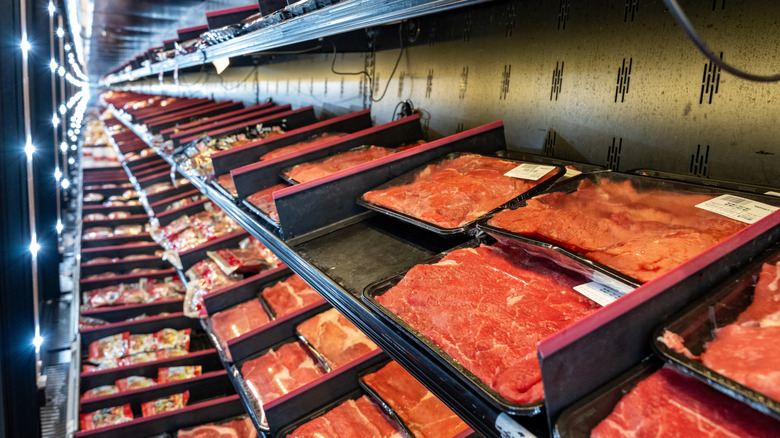
Long gone are the times of hunting and gathering our food. Now, according to 2025 data published by the Meat Institute, 98% of Americans purchase their meat — either from grocery stores or independent butcher shops. And for the most part, we really are divorced from the process of getting not only a living animal processed and to the store, but also from the store to our plate. We take for granted that store aisles are usually fully stocked with assorted cuts of chicken, beef, pork, and more and that we can just push our cart down the aisle, select one, and carry on our merry way to the register. Since we, as consumers, rarely take a deeper look into what we're buying, we often make mistakes that cost us money or cause us to get a cut that's suboptimal for our dish, not fresh, or poor quality.
In order to highlight some of the most common mistakes that shoppers make in the meat aisle and learn how (and why) to correct them, we spoke to two meat experts: Chip Carter, host of "Where the Food Comes From," and Thomas Odermatt, third-generation butcher and founder of Roli Roti. They drew on their years of experience working in all things meat and offered their perspectives on common consumer shopping woes as well as insight into why we should all be paying a little more attention the next time we pay the meat aisle a visit.
1. Mistake: Not paying attention to store red flags
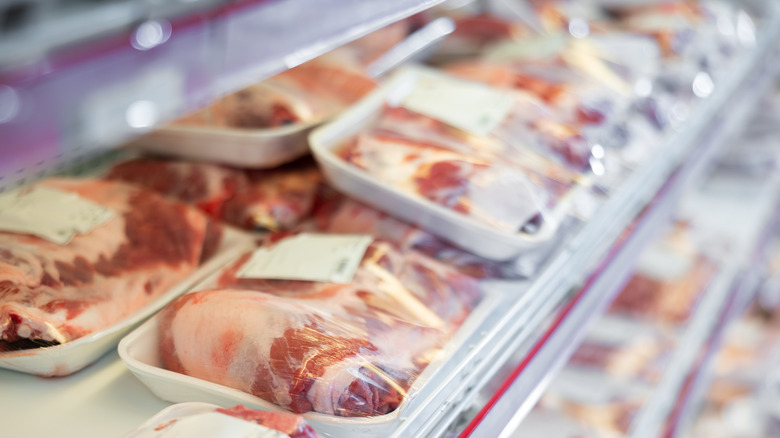
Any time you visit a grocery store, regardless of whether it's for packaged foods, produce, or meat, you should always be keeping your eye out for potential red flags. Sure, you should be paying attention to red flags with the meat or product itself, but also to broader red flags pertaining to the cleanliness of the cases, attentiveness of the staff, and the like.
A lack of cleanliness is one thing bad grocery stores usually have in common. "I'd also rather pay a bit more and buy from a butcher who cuts and wraps the meat fresh, tight, and clean. That control matters," butcher Thomas Odermatt says. "At the same time, I'll walk away immediately if something feels off — if there's a smell in the shop or trays full of bloody water with meat sitting in it. That's not a place that respects the product." When you're walking through the aisles, don't just look at the color of the meat; touch the inside of the coolers to see if they feel sticky, keep an eye out for staff cleaning (or, more concerningly, not cleaning), and whether there are ice crystals on the inside of frozen foods or soggy boxes of frozen meat (both of which are big frozen food red flags). All of these signs may point to your grocery store or butcher having a quality control issue, meaning it should be avoided.
Being observant of the product and condition of the store is one thing that Odermatt recommends when shopping for meat. "If it looks clean, well-handled, and cared for, chances are it will taste the same," he says.
2. Mistake: Misunderstanding the correlation between price and quality
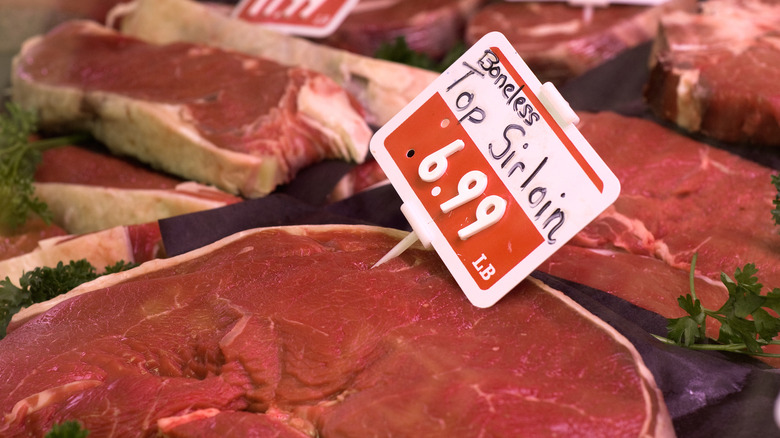
It would be easy to assume that the more expensive the meat, the higher quality it is. But unfortunately, this just isn't the case. "Price often has to do with location, availability, and perception — of course you're going to pay a fortune for ribeye steak and you expect to, so you do," says Chip Carter, host of "Where the Food Comes From." As such, you might be more inclined to pay more for a cut that you perceive as being higher quality when you can actually get the same (or even better) quality by doing your due diligence and shopping around.
The better way to shop, which can save you money, is to do your research and compare prices before swiping your card. "Do look at the ads before you shop, see what's on sale, and shop accordingly," Carter says. It also helps to know which chains have the highest-quality meat departments and what tradeoffs you need to make in favor of quality or a cheaper price. For example, Costco is one of the best grocery stores for buying meat, both in terms of price and quality, but it may not be the best place to shop if you're after small portions or don't have the freezer space to handle your purchases.
3. Mistake: Not adhering to proper food-handling protocols
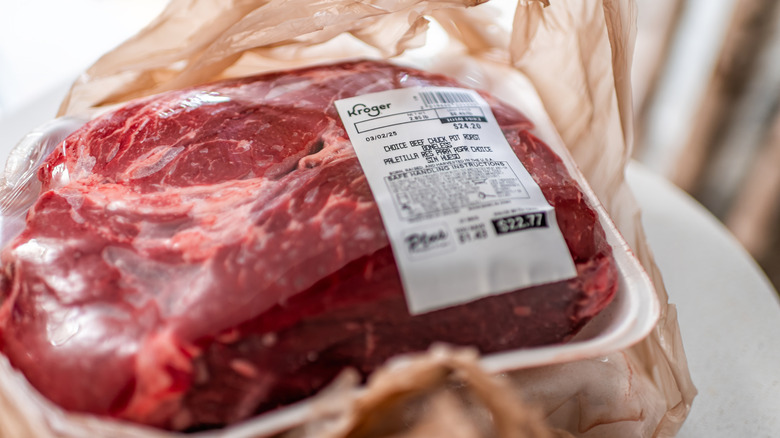
You shopped and paid for your perfect cut — the last thing that you want to do is throw your money away by improperly storing it for the drive home. "The biggest mistake isn't what people buy — it's how they handle it," Thomas Odermatt says. "I've seen meat sit in hot cars for hours after shopping, which undoes everything that was done right before. Meat is a temperature-sensitive product, and once that cold chain is broken, quality and safety drop fast."
Chip Carter explains that meat, unlike other shelf-stable products and produce, is not chemically treated to stay fresher for longer. As such, small errors in storage — such as leaving a cut of meat in your car while you run errands — can diminish its quality. However, he does note that you don't need to be super militant about it — meaning you have permission to leave the insulated cooler at home. "I often take a couple of insulated bags to the supermarket. I group all my cold items together in those, confident they'll make the trip home in fine shape," he says.
One tip that you may want to heed, though, is wrapping your meat in a plastic bag before putting it in a separate bag with your other groceries. If there is a tear in the meat's package, no matter how small, you may risk the juices leaking and staining your bags or cross-contaminating surfaces or other ready-to-eat grocery items. Keeping meat packs flat and wrapping them in plastic (which should be thrown out once you arrive home) is a safer bet.
4. Mistake: Not understanding use-by and sell-by dates
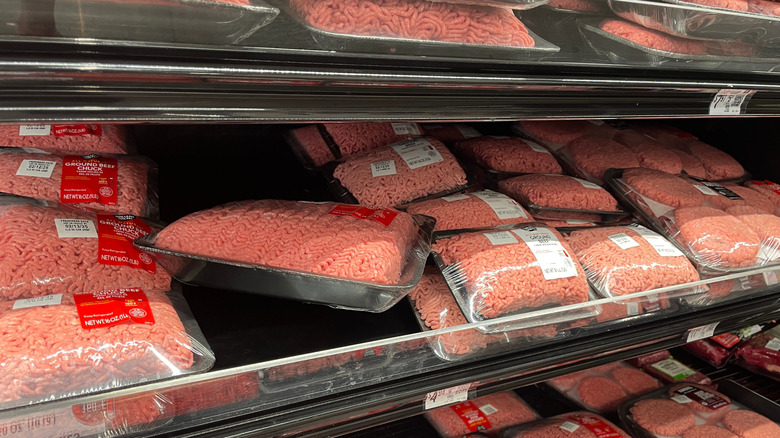
Use-by and sell-by dates can seem arbitrary because, well, they kind of are — especially in a world where preservatives exist. For reference, as Thomas Odermatt explains, the sell-by date is the store's code for how long to keep a product out on display, while the use-by date takes on a more serious tone and is presumably when the meat needs to be tossed. Regardless of the name, these dates are important and ones that all shoppers should pay attention to. "Those dates are ultra-critical for not just quality concerns — because believe me, you will notice if you eat chicken that's [five] days beyond the use-by date — but also for food safety purposes," Chip Carter says. He explains that while other foods may have preservatives to keep them fresher for longer, that is not something that meat has. "Fresh fruit and veggies, if they go past their best date, won't have the taste and texture of peak quality, but they won't kill you. Meat can't say that," he says.
Carter notes that while you can technically cook meat that has reached or gone past these sell-by or use-by dates, you are only setting yourself up for failure. "When you notice the slimy coat and icky texture, you'll say, 'Well that was indeed just a further waste of my time!' Because you just cooked and ate rotting meat, and there is no force on earth that's going to bring that back," he says.
However, Odermatt acknowledges that these dates need to be considered within context and relative to other sensory cues that the meat has spoiled. "As a third-generation butcher from Switzerland, I learned that a properly handled piece of meat doesn't suddenly 'turn bad' at midnight on a printed date. Respect the date — but trust the chain of custody, storage, and your judgment more," he says.
5. Mistake: Buying bloated packages of meat
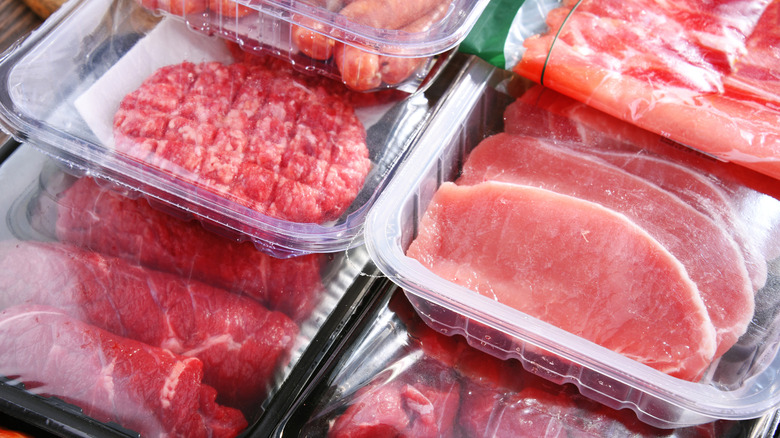
If you're shopping for meat, you'll want to pay attention to packaging red flags to avoid buying a spoiled — and potentially dangerous — cut of meat. One of the things to look out for is bloated meat packages. "When a package is bloated or puffed up, that's usually a red flag. It can indicate temperature abuse somewhere along the chain or that the product is nearing the end of its shelf life," Thomas Odermatt says. This bloating is caused by the release of gas, which he says is not something worth risking. Chip Carter agrees. "Run, don't walk, to the trash can," he says.
Torn packages are a different story, and Carter knows that it may or may not be worth considering when deciding whether to buy a package of meat. He notes that the age of the cut, whether it's been exposed to air, and how the cut looks are important context. And, if anything, you're going to cook the meat hot enough to kill any sort of disease-causing pathogens.
Odermatt says that, while he has bought torn packages of meat, he has done so with caution. "If the seal is compromised, the product has been exposed to air and potential contamination," he says. He suggests doing a smell test; if it doesn't smell fresh, then it's worth tossing. "At the end of the day, packaging should be tight, clean, and intact — no excess liquid, no air, no damage. Shop with your eyes and trust your instincts," he says.
6. Mistake: Misunderstanding meat marketing and welfare claims
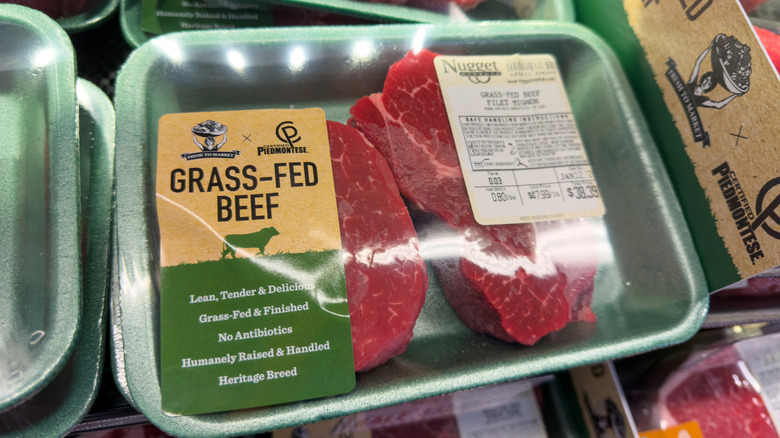
At times, it can seem like you need to take a dictionary with you to the grocery store to decipher the laundry list of labels and marketing claims on the packaging. What's the difference between beef that's grass-fed and grain-fed? Aren't all chickens that are pasture-raised also free-range? Why the heck is organic meat so expensive, and what does that term even mean in the food world? All of these questions can be quite mind-boggling and can have you wondering whether it's worth paying for meat with these marketing claims. And although it can seem like labels are just there to convince you to fork over more money, they do actually have an effect on the product. "These labels give you insight into the life of the animal and the system behind it. And that directly impacts flavor, texture, and overall quality," Thomas Odermatt says.
He says that he likes to look specifically at how the animal was raised when determining what meat to buy. He calls out terms such as regeneratively farmed, which he believes is "a strong indicator of a thoughtful system behind the product." Heirloom breeds may be a worthy consideration too, especially for chicken. "Birds with real access to the outdoors develop differently — better muscle structure, better flavor, and even better bones for stock and broth. That's something you can taste," he says. So, if you know what these claims are before you even set foot in the grocery store, you'll be more well equipped to shop for high-quality meats that fit your personal ethics and culinary goals.
7. Mistake: Not directing questions toward your butcher
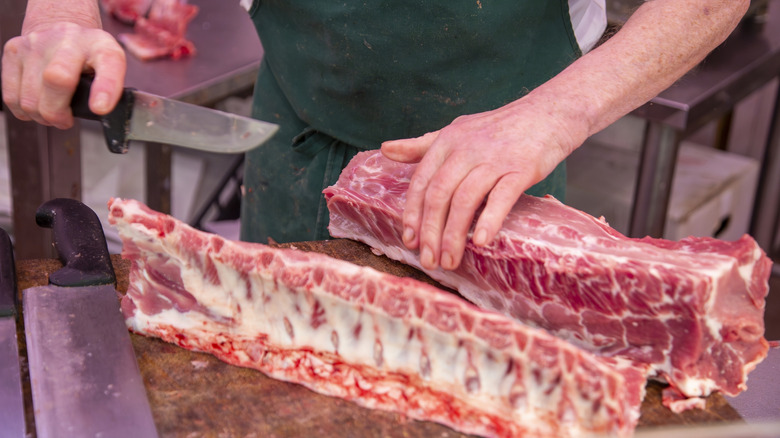
When most of us go to the grocery store, we don't interact with the butcher. The Cryovac-ed meat cuts just magically appear in the cases overnight thanks to the meat fairy, and all we need to do is grab one and plop it into our shopping cart. But not interacting with your butcher — like asking them questions about cuts or recommendations — would be a major mistake.
"If your store has a custom counter or custom options — and understand most do, unless that store's butcher department is just a repackager for a central distributor — they're happy to do custom orders," Chip Carter says. He says that on multiple occasions, he's bought roasts and meats on sale and asked the butcher to grind them into a blend for him. He says that some tasks, such as cracking the chine on a pork loin, are fun for butchers, as it showcases their skill. He also says that working with your butcher builds accountability and also a stronger relationship between the purveyor and the customer.
Thomas Odermatt agrees. "A well-trained butcher is more than someone who cuts meat — they're a trusted adviser," he says. "When you go to the butcher counter, you're getting freshly cut meat, handled and wrapped properly, often with better control over thickness, trim, and portion. But more importantly, you're getting guidance. You can ask questions, explain what you're cooking, and walk away with something that actually fits your plan."
8. Mistake: Overbuying meat
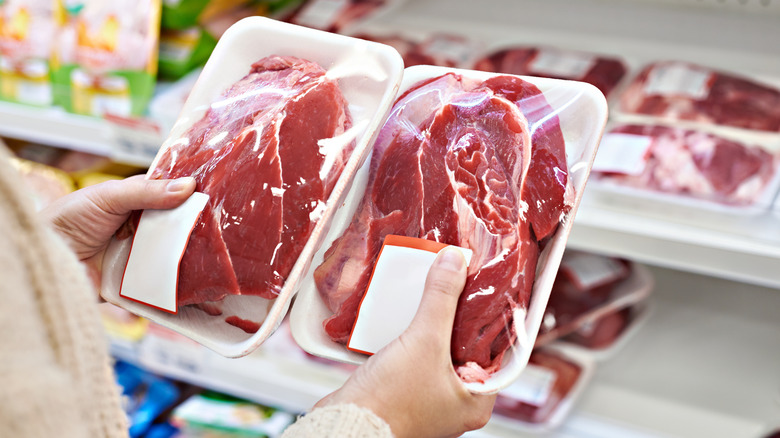
Imagine this: It's Memorial Day weekend, and your local grocery store is having a sale on juicy steaks and hamburger blends. Obviously, you want to stock up when prices are low, but doing so without a plan in place can lead to a ton of wasted money and food. "There's always the temptation to buy more meat than you actually need — especially when it looks good at the counter. But overbuying usually leads to waste or poor handling later on," Thomas Odermatt says.
Instead, he recommends going into the meat aisle (or butcher shop) with a plan. He recommends ideally buying meat for one or two meals at a time. "That way, you're always working with product at its best, not something that's been sitting in your fridge too long or poorly frozen." Have your sights set on meat based on what you plan on using it for. For example, if stir-fry is on the menu, you might have your eyes on a pricey ribeye, but after asking your butcher, you may find an alternative that still works just as well but costs much less.
Chip Carter, on the other hand, doesn't necessarily believe in overbuying. "If I have room in my freezer, and I see a great sale, I can't overbuy," he says. "The secret is not to load up on the crappy items that go on sale — save it for the good stuff." He says that he's stocked up on affordable prime ribs and strip roasts, carved them into steaks, and frozen them, allowing him to stretch a great protein over long periods of time — with some thoughtful planning, of course.
9. Mistake: Assuming that frozen meat is always bad
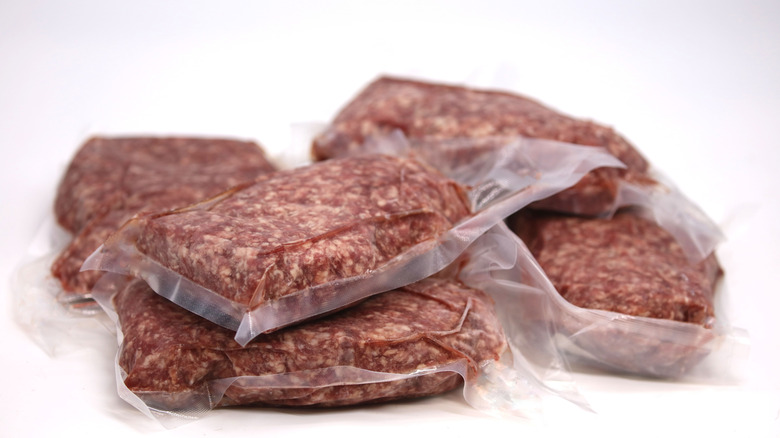
Most people shop for meat solely in the refrigerated cases or at the butcher counter, but avoiding the freezer section would be a big mistake. For one, "frozen" doesn't always imply "lower quality" — although at one point it did. "In the old days, the freezer was often the fallback — whatever didn't sell fresh ended up frozen, hoping it would eventually move. That thinking stuck with consumers, and to this day, frozen meat simply doesn't sell as well as fresh," Thomas Odermatt says. Although he himself doesn't buy frozen meats often, he does admit that they do have a place. He calls out frozen vacuum-sealed cuts, ground meat, and pre-portioned cuts as being ones worthy of investing in, but he prefers to go fresh for steaks, premium cuts, and meats that he plans to age. Even if you can't buy all of your meat frozen, it's worth doing so for the ones you can, as you could save money and be able to enjoy your meat for longer. "Frozen meat isn't 'bad' — but it requires more discipline," Odermatt says.
The biggest hurdle here is changing the narrative about frozen meat. Chip Carter explains that despite both his and his wife's reputations as great chefs, almost every piece of meat that they serve to guests has been pre-frozen. "If we went to buy fresh meat every time we cooked for people, we'd be subject to the whims of the market — what's on sale, what are we looking at? But shopping, in advance, with purpose, we always have the perfect cuts and perfect solutions on hand for any occasion," he says. As long as you're freezing your meat and utilizing frozen meat tactfully, a good freezer may be something worth investing in.
10. Mistake: Only buying popular cuts
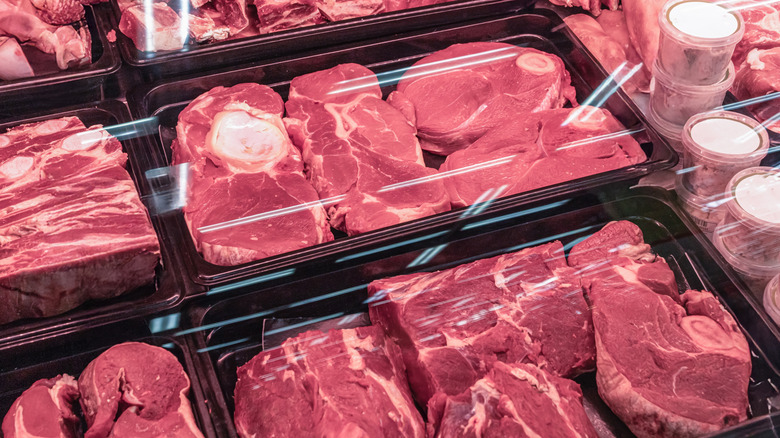
Going to the grocery store with a flashy, expensive cut on your mind may be good for planning purposes, but it means that you're missing out on a ton of other great cuts, many of which are affordable, tastier, and may even be better fits for your recipe than the one you came into the store wanting. "The underrated cuts are often the ones with the most character. They require a bit more understanding and time — but they reward you with better flavor, more nutrition, and a more respectful way of using the whole animal," Thomas Odermatt says.
So to give you some ideas about which cuts to give a second look to, we queried both of our experts about their favorites. Odermatt calls out ancestral ground beef blends, which contain organ meats for extra flavor and nutrients, beef shank for slow cooking and braising, and beef neck bones, which he calls one of his favorites. "If you're making something like a Vietnamese-style pho, neck bones are a fantastic alternative to expensive oxtails. You get deep flavor, great body, and a much better value," he says.
Chip Carter calls out sirloin as a budget-friendly alternative to ribeye and T-bone. Not only can it be ground up for burgers, but you can also grill and pan-fry it with very little prep required. Boneless pork loin is another affordable favorite of his. "If there's anything in the butcher case these days that they're giving away, that's it," he says. Slice up chops or turn it into succulent pulled pork — for under $3 a pound, your cooking options for it are endless. "It's going to be a lean and flavorful all-star in any setting," he says.