

5 Tips For Your First Time Shopping At A Traditional Butcher's
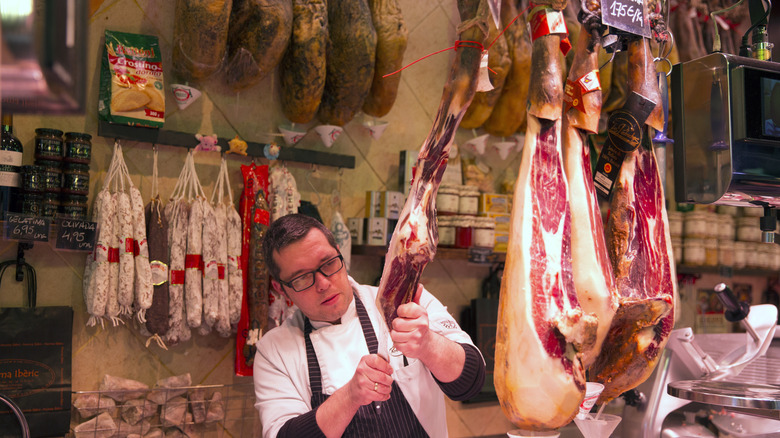
If you've never stepped inside a butcher's shop, the idea might be a bit overwhelming, especially if you aren't overly familiar with different cuts and types of meat. But it's worth putting your self-doubts aside and taking the plunge. If you've got a traditional butcher shop near enough to shop at, there are some pretty good arguments for why you should be shopping for your meat there instead of Costco or other big box stores where you'll get great prices on large quantities of meat. There are plenty of grocery stores with high-quality meat departments, but visiting a traditional butcher shop puts shopping for fresh meat on a whole new level.
Once upon a time, the butcher's shop was the most common place for people to buy meat. Somewhere along the way, consumers started gravitating toward supermarkets and big box stores that offered convenience, variety, and affordability. But while these stores have a lot to offer in terms of a practically endless supply of groceries, they often lack in variety when it comes to cuts of meat. Butchers, on the other hand, tend to carry a wide selection of meats and cuts that you may never have cooked with before — or possibly even heard of. If you decide it's time to ditch the supermarket and pop into your local butcher's shop but don't know where to start, we've got you covered. These helpful tips will make your first visit so smooth and successful that you'll be making the butcher's shop a regular stop for your weekly shopping.
Getting to know your butcher will pay off in spades
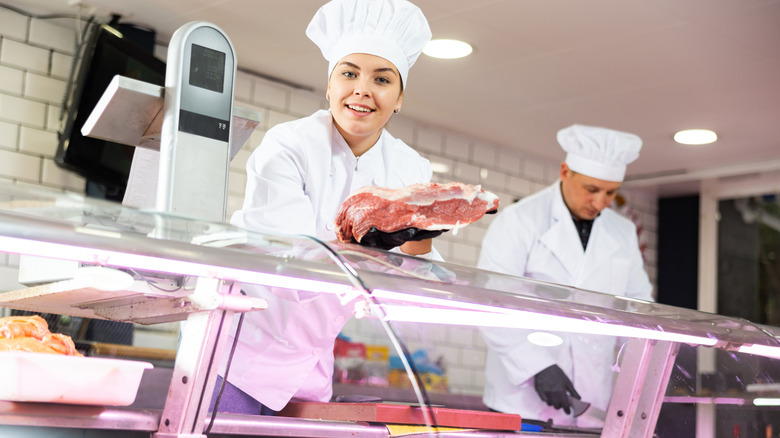
Making a new friend is never a bad thing — especially when it is your butcher. After all, this is someone who can set aside those special cuts of meat they know you love and keep you informed about upcoming specials. While good service is something we all expect when we shop, no one likes to be treated badly, including people who work retail, so make the effort to befriend your local butcher if you plan to be a regular customer. A little kindness goes a long way, and courtesy and respect (not to mention learning someone's name) don't take a whole lot of time.
Befriending your butcher isn't just about buttering them up. When you get to know your butcher, they, in turn, get to know you. That means learning your preferences and spending patterns so they can customize recommendations just for you.
Be humble and open to learning
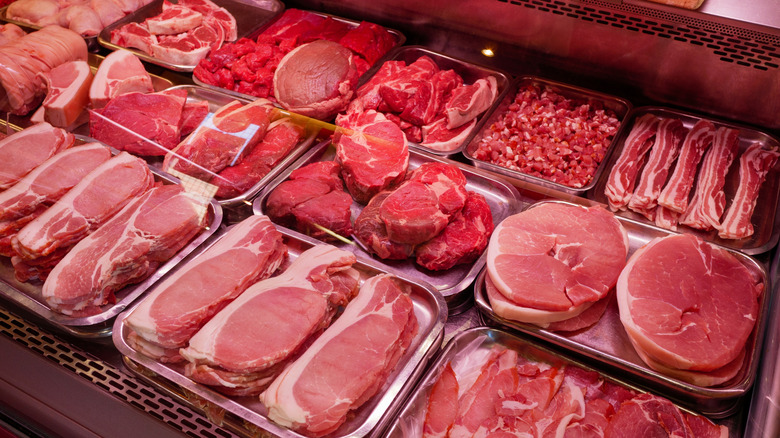
When you visit a butcher for the first time, you might find yourself face to face with cuts of meat (or maybe even types of meat) that you aren't familiar with. And if you don't know what it is, then chances are you also don't know how to cook with it. Luckily, your butcher does. Don't pretend to know more than you actually do — the butcher will probably see right through it anyway. Instead, respect the knowledge, experience, and skills your butcher undoubtedly possesses and let them guide you through the process. They will more than likely be happy to share their knowledge with you and answer any questions you have.
Butchers can advise you on all kinds of things, such as how much meat you'll need for the number of guests you're expecting and what cuts work best in what dishes. They are a wealth of knowledge, and if you are open to receiving it, they can vastly improve your culinary success.
Don't be afraid to ask questions
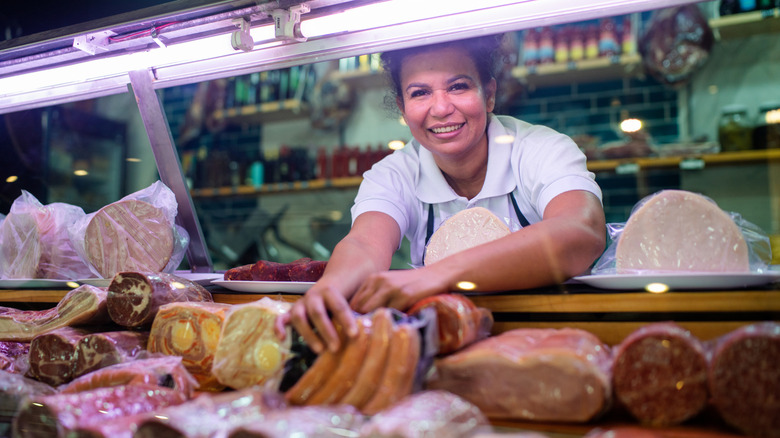
Part of the fun of a traditional butcher's shop is looking at all the beautiful cuts of fresh meat on display. You can peruse what's available, which often leads to inspiration if you don't know what to cook for dinner. But sometimes we like to experiment with new things, and that may include meats that the local butcher may not keep in stock regularly. That doesn't mean they can't get it, however, and if you make a request, there is a good chance they can procure it for you. Want to make ossobuco but don't see any veal shanks? Just ask. Worst-case scenario, the butcher can't get them for you, and you have to work around your original plan anyway. But in that case, a good butcher can help you figure out another option that will work great with your menu plans.
And there are plenty of more questions you shouldn't be afraid to ask. While there are a few things you definitely shouldn't ask your butcher (like if they can give you a better price), it's also okay to ask questions about where the meat was sourced, the best way to prepare and cook it, if they offer any pre-seasoned meats, and if they can trim, de-bone, or cut the meat into portion sizes for you.
Don't be intimidated by the lingo
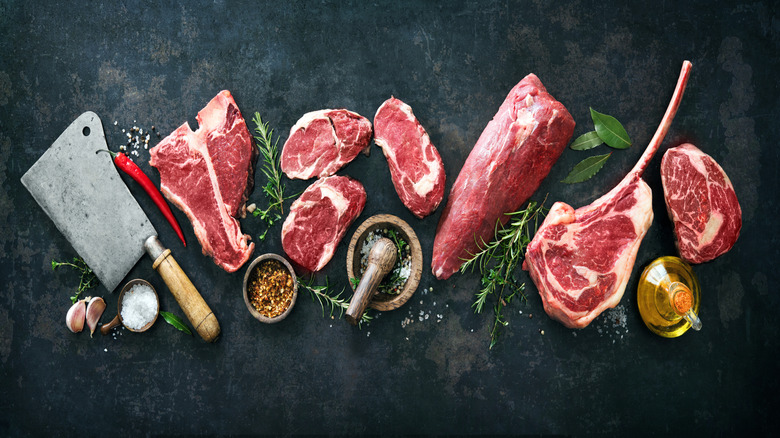
If you've never shopped in a traditional butcher shop before, chances are you'll encounter some industry lingo you aren't familiar with. Don't worry — no one is trying to trick you or cheat you, and your butcher will probably be happy to explain whatever goes over your head. Learning some commonly used terms won't hurt, but it isn't completely necessary. There are, however, a few things you'll want to be prepared to discuss.
The type of meat (pork, beef, chicken, lamb, etc.,) and the cut are things you'll need to know to place your order. If the butcher asks you about what format you want, they are referring to things like size of the cut (like a 1-inch filet) and how you want bones handled (bone-in, cross-cut, or boneless). Some formats will depend on what you are doing with the meat. For example, if you want to use chicken or beef to make kebabs, the butcher can cut it into 2-inch squares, but if you are serving a roast, the number of people you plan to serve can help them know how much the roast should weigh. A good butcher can walk you through all these options, so as long as you know what you want to make, they can help you figure out what to buy — plus, all those new terms will make sense.
Walk in with an open mind
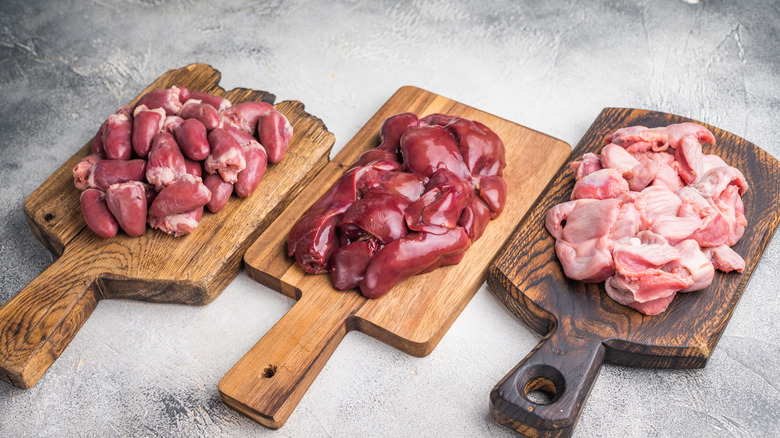
As you walk into a butcher shop for the first time, prepare yourself for an array of sights and smells that you're unlikely to find in any grocery store. But you'll also be walking into a whole world of new possibilities for the meals you'll soon be cooking. Offal (organ meats), bones (for marrow), trotters (pig feet), and even animal skins and unusual cuts (known as off-cuts) are some of the items you can get at a butcher shop that your run-of-the-mill grocery store won't carry. Butchers are great sources of sustainability — the products they sell make use of as much of the animal as possible, so nothing goes to waste. And the local butcher can help you learn how to cook these items so you can prepare incredible meals that will wow every time.
Start small, resisting the urge to try everything all at once. If you are leery, start with cuts of meat you are familiar with, and ease your way into the more unusual stuff, gradually trying new things until you know what you like and don't like. It's worth giving everything a shot, depending on how adventurous you are. And with your new bestie, your local butcher, you'll get excellent recommendations and cooking advice for future culinary explorations.