

Don't Ruin Your First Vegetable Garden By Making This Overlooked Beginner Mistake
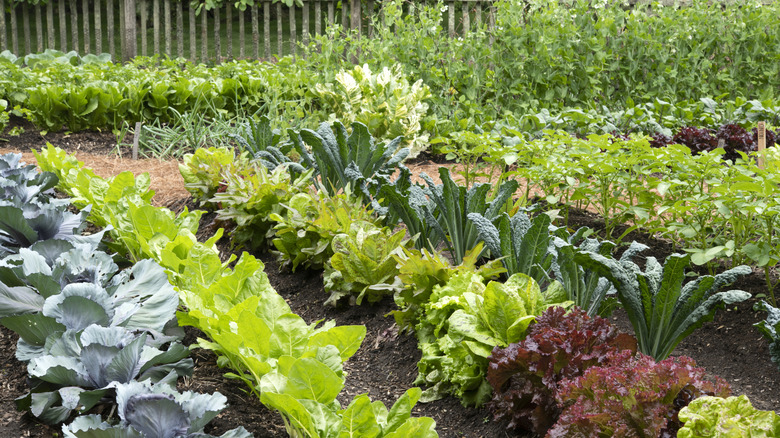
Gardening is good for more than just your body and mind (experts say it's a decent stress reliever). Cultivating your own produce also helps reduce your grocery bill while ensuring you have lots of beautiful, high-quality spring and summer veggies to snack on — provided, of course, you do things like water your tomatoes properly to avoid blight. However, first-time gardeners excited about the prospect of fresh salad and homemade, shelf-stable pasta sauce often make the rookie mistake of planting a garden that's far too large for them to care for.
Though it seems logical that a larger garden would produce more, the opposite is actually true if you don't have the time and resources to care for it properly. An under-tended garden is more likely to develop diseases and attract pests, including destructive bugs and local wildlife, such as deer and birds who love corn and strawberries as much as you do. Instead, if you're new to gardening, it's best to start with a garden much smaller than you assume you'll be able to maintain to get a handle on the basics and properly manage your plants. For instance, you might want to start with some easy-to-grow herbs in an indoor planter box to learn about things like soil composition, types of sunlight (e.g. indirect vs full), and watering schedules.
You can also start by growing fruits and veggies indoors to not only keep your garden fairly small, but also make it easier to tend consistently with a simple stroll around your home. Dark leafy greens, vining nightshades, summer squash, and root veg like beets and radishes grow quickly and easily indoors.
Keeping your garden small to harvest big
As mentioned, the biggest risk in overzealously planning a huge garden is a reduced harvest, as you're more likely to get lots of beautiful produce from the plants you have time and energy to tend rather than the ones you neglect. It's also extremely important that you grow things you'll actually eat. For instance, it makes very little sense to plant a bunch of kale if you don't enjoy eating it. It may be easier to grow than spinach, but if you love making spinach salads, it's worth learning how to grow, tend, and harvest the veg. You won't have to purchase it when it's in season, and you'll have the pleasure of enjoying it fresh for as long as it grows.
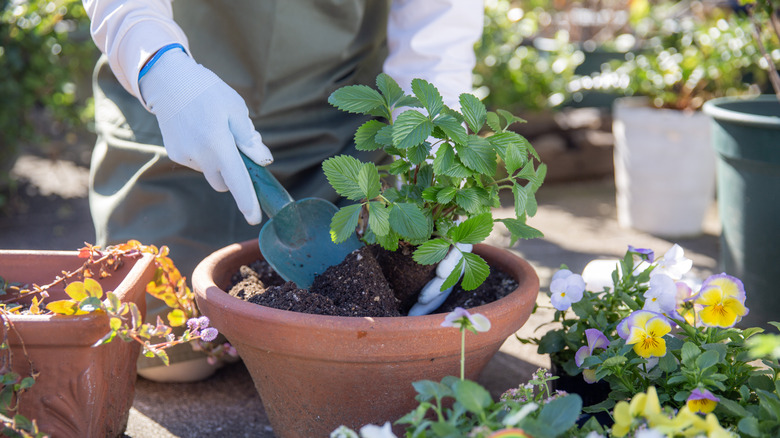
If you've already made the mistake of over-planting and are trying to downsize, you might try growing a wide variety of veggies in containers to literally keep your garden contained. This trick works for both indoor and outdoor gardens and is great for saving space if you only have a small yard or patio. Since you'll only have as much room as the containers provide, it'll be much harder to over-plant, as proper spacing is essential to cultivating healthy veggies. There may even be compact dwarf or mini varieties of your favorite veggies, which are often more suited to containers than the full-sized versions. It's also an opportunity to learn about companion planting to ensure everything in each container has the best possible chance to thrive.