

Why You Should Avoid This Common Sugar Alternative (It Might Not Be As Safe As You Think)
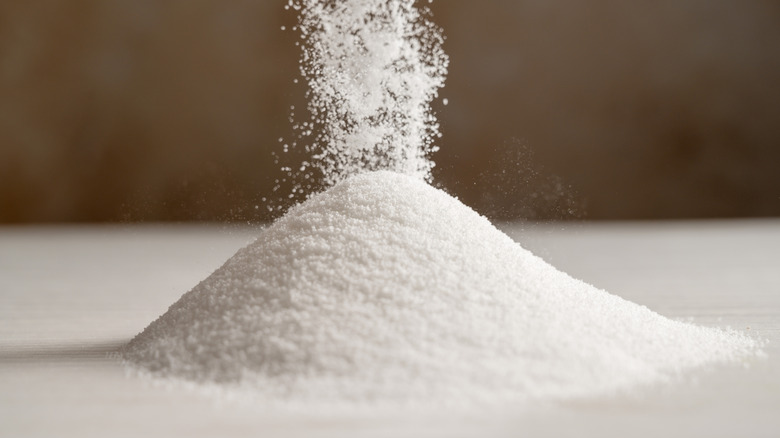
If you're keeping an eye on your calories or simply trying to eat healthier, there's a good chance you've got your eye on the amount of sugar you ingest each day. Artificial sweeteners have an interesting history, and they can be an appealing choice if you want to enjoy the taste of something sweet without actually having sugar, but you might want to think twice before swapping a sugar alternative for the real stuff. One sugar substitute — erythritol — is pretty common, but research suggests that it might not be the safest choice.
Erythritol is a sugar alcohol. Sugar alcohols aren't actually sugar, and they don't contain ethanol, the type of alcohol that's in beer, wine, and liquor, so the name is a little misleading. Erythritol (and other sugar alcohols, like xylitol) is commonly used as a low-calorie sweetener. You're likely to find it in sodas and candies, and even on the ingredients lists of some coffee creamers, but you may want to think twice before consuming this sweetener.
Consumption of erythritol was linked to cardiovascular events like heart attacks and stroke, according to research. Studies indicated that erythritol may promote blood clotting, which can increase the risk of a heart attack or stroke. On a much less serious note, some people also find that erythritol just doesn't taste great. It can have an overwhelming aftertaste, as we found out while tasting a particularly awful, supposedly health conscious $8 coffee ice cream.
Why more research on erythritol needs to be done -- and a different sweetener you can enjoy in the meantime
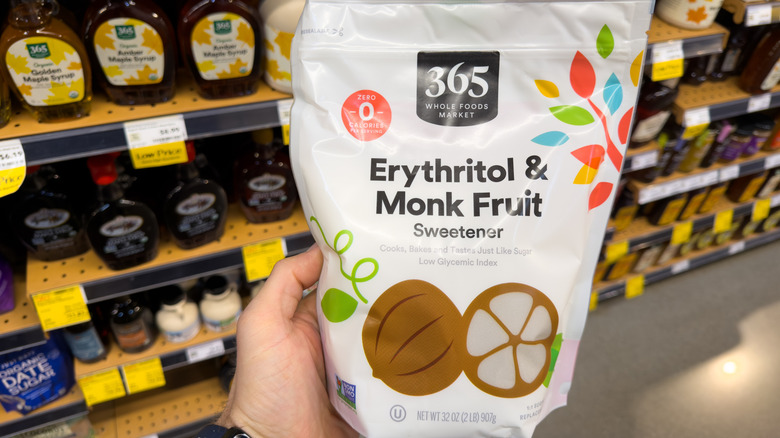
If you've noticed that erythritol is a part of the ingredients list for one of your favorite foods, you don't need to panic. Researchers still aren't completely sure of the sweetener's effects on health. While observational studies have shown an increased risk of cardiovascular events in humans who use erythritol regularly, more in-depth testing needs to be done to confirm the actual effects of sugar alcohol on the cardiovascular system. That said, the World Health Organization has spoken out about non-sugar sweeteners in general, stating that using sugar substitutes doesn't help with weight control. The WHO also said that it's better to focus on lowering the amount of sweetness in general than it is to consume sugar substitutes.
If you're working to get erythritol out of your diet but are still trying to watch your sugar intake, you might want to try allulose. It naturally occurs in figs, molasses, and raisins, and it hasn't been shown to affect the cardiovascular system in the same way as erythritol. While more research needs to be done, allulose currently has the thumbs up from the Food and Drug Administration. While cutting down on sweetness in general is ideal, allulose can be a good substitute for erythritol if you're still trying to enjoy some lower-sugar sweet treats as a part of your nutrition plan.