

5 Sakes You Should Leave On The Shelf, Based On Reviews
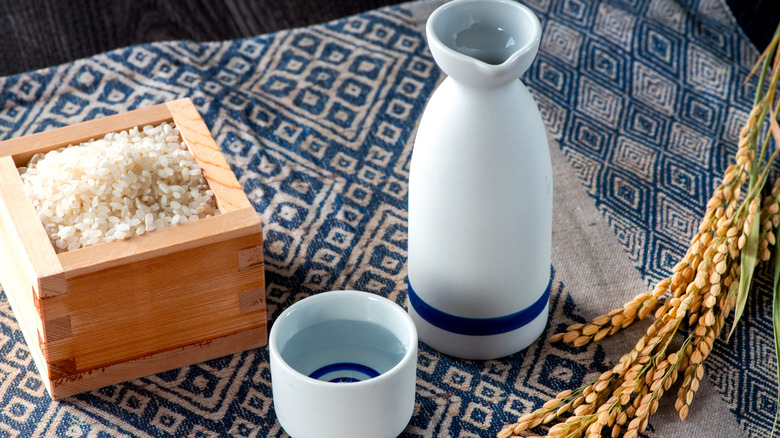
Experienced sake drinkers know that there's a world of different flavors and types when it comes to the Japanese drink. And especially now that it's growing in popularity in the U.S., many people are trying to learn more about etiquette when ordering sake and are venturing into stores to find a good beginner version of the alcoholic beverage. Looking online for reviews is a good place to start to determine which ones are worth buying, of course, or to find out which should be left behind in the store instead.
While people often end up grabbing whatever drink has the most interesting label, unfortunately, the graphics and colors on these bottles aren't always good indicators of which varieties are actually the best. That's the case for a handful of sakes we've read about on social media, such as Reddit and YouTube, that have garnered negative reviews for factors like flavor and scent. Even with their eye-catching packaging or other alluring characteristics, people have found several reasons you shouldn't buy these particular sake products.
1. TYKU White
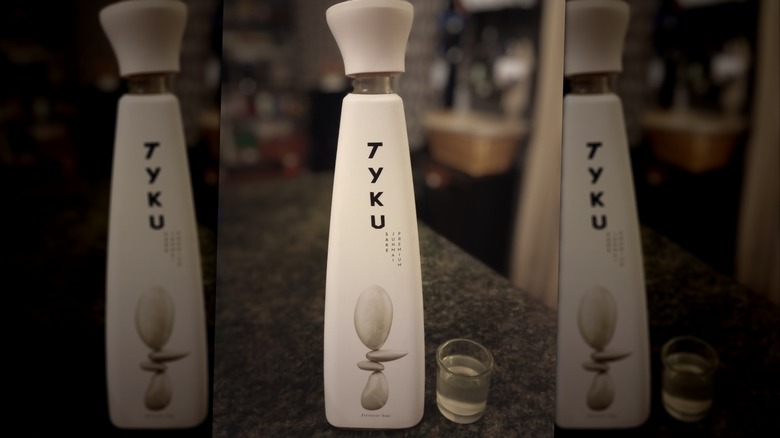
Possibly the most reviled on the list is TYKU White. This is a junmai sake, meaning it's one produced with no additives, like additional alcohol. It instead only uses rice, water, and koji, which is a mold sometimes also used to age steaks. As basic as that combination sounds, it appears to have gone off the rails for TYKU White. In a review on Reddit, u/savingtheworld99 compared the drink to "rotten lemon," noting that warming it up only made the flavor worse. In the same Reddit thread, u/TheSakeSomm was a little kinder when they wrote they "know people at TYKU ... but I have never once recommended it."
The bad reviews didn't stop there. In a Reddit post about taste-testing several cheap sakes, u/vivianvixxxen wrote that when cold, TYKU White had "a very unfun funkiness on the nose. The taste is rancid, and the body is water-like, which somehow made it worse. I didn't even swallow this one. Spit it right out." But those who were able to get it down the hatch, such as 2Dudez Revi3wz on YouTube, described it as "water with a little medicinal aftertaste" that followed. Either way, this doesn't sound like a sake to pair with your sushi.
2. Origami Zero Non-Alcoholic Sake
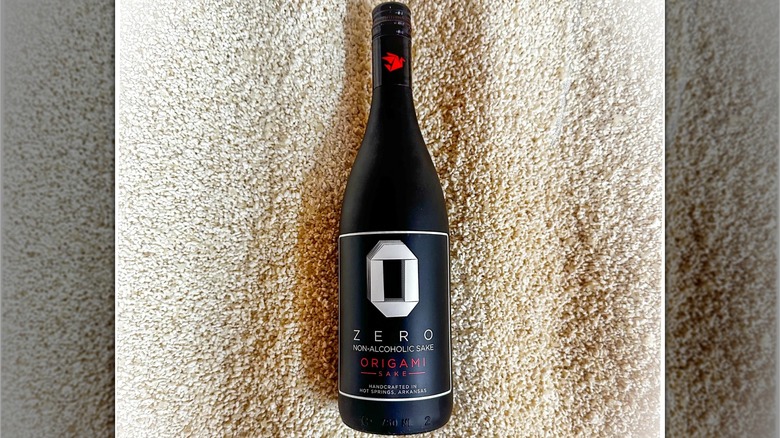
Origami Zero Non-Alcoholic Sake is the U.S.'s first non-alcoholic sake, which is a point in its favor, and it's only been around since December 2024. (Did you know there's a difference between non-alcoholic and alcohol-free?) However, if you're hoping to buy some of this, you might want to think again. Reviews give the overall impression that the flavor isn't necessarily bad, just rather odd.
A number of reviews compare it to fruit juice, vinegar, or fruit-flavored candy, noting the color is very yellow and the flavor lingers to the point of you hating it so much that you never want to have it again. On Reddit, u/uncle_jafar provided more specific details, writing, "It tastes like someone made lychee-flavored Kool-Aid with [half] of the powder you were supposed to and left it out on the counter for a few days." Overall, this looks like one to leave on the shelf if you're hoping for something that tastes like alcohol-containing sake without the actual alcohol.
3. Sho Chiku Bai Classic Junmai Sake
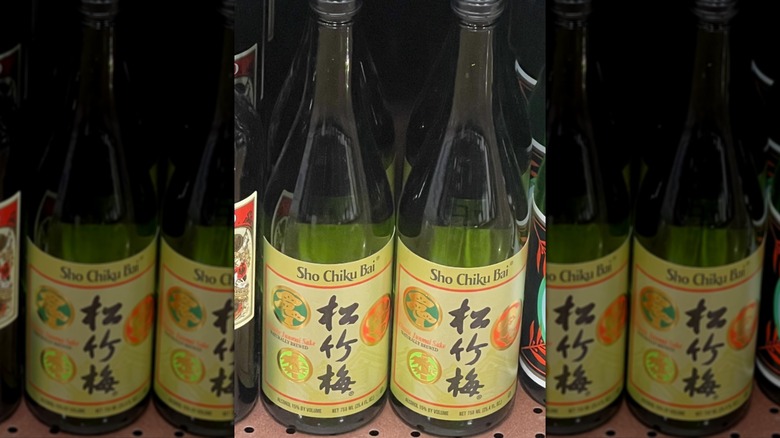
Part of the Sho Chiku Bai brand is produced by Takara Sake USA, an American division of its Japan-based parent company, Takara Group. It's in the company's California facility that the drink we'll be discussing, the Sho Chiku Bai Classic Junmai Sake, is made. The overall impression is that it's not a product you want to buy for drinking if you're new to sake, but that if it's all you have, you'll be fine — just unimpressed.
Many people online noted the sake is better for cooking. On Reddit, for example, user u/flinters17 called it their "go-to cooking sake." They also noted that they'd occasionally have a sip of it. In the same Reddit thread, u/mightyomighty commented, "Sho Chiku Bai is not something you want to start with. It's a low-quality item that is often used to cook food with." Others also said they preferred it for cooking over drinking. In that Reddit post about taste-testing cheap sakes, u/vivianvixxxen said that Sho Chiku Bai's flavor was underwhelming when cold and "a nothing-burger" when warm. One interesting comparison to note is that more than one positive review compared the sake to white wine. So, you could always try swapping it in for white wine in recipes if you end up with a bottle.
4. Gekkeikan USA Traditional Sake
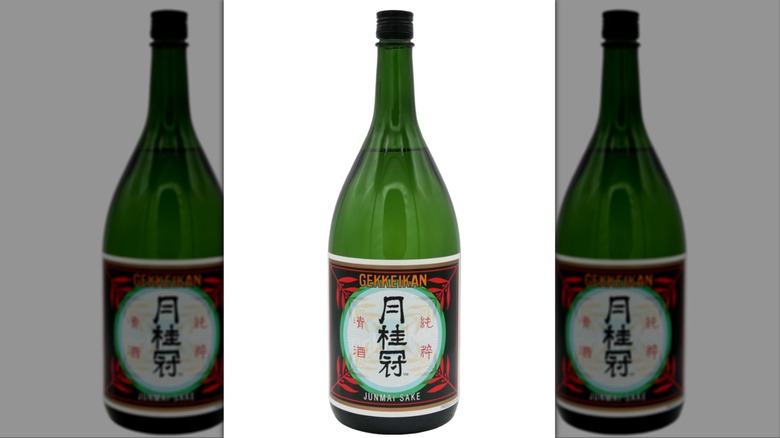
Gekkeikan is another Japanese company with a U.S. division that produces made-in-America sake. The company has released a couple of varieties, but it's the "Traditional" variety that most people talk about. The Gekkeikan sake that's made in Japan is well-regarded and has won awards, but the Gekkeikan USA Traditional Sake doesn't live up to the Japanese company's reputation, according to reviews. That's disappointing because this sake is one of the easier-to-get products in the U.S. People have complained that it doesn't have a lot of rice flavor, instead tasting more like alcohol, especially when you're finishing a sip. Some have said it smells like alcohol, too. Yes, sake is alcohol, but that's not all you should smell or taste when you drink some.
A few people shared that they use this sake for cooking rather than drinking. That would certainly cover up any excessive alcohol flavors. One person on Facebook wrote that it "tasted like watered-down rubbing alcohol and some mystery ingredient." On Reddit, u/vivianvixxxen also noted a heavy alcohol flavor, writing that the Gekkeikan USA Traditional Sake "smells like a concoction of gasoline, shoe polish, and nail polish remover" when cold. Warmed up, the sake was a little more decent. Another person actually apologized to someone who drank it as their first sake. The overall impression is that it's not horrifying, but if you somehow end up with a bottle, use it for cooking only.
5. Nihonsakari Oni Koroshi Sake Red Box
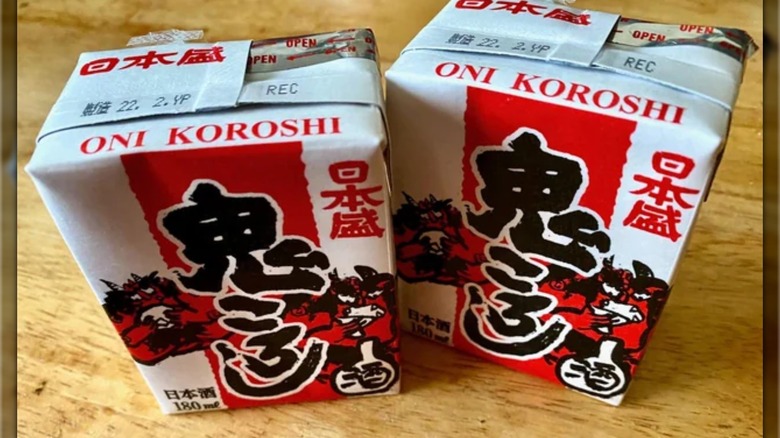
Sometimes, a certain variety of sake gives drinkers a particular reputation. That's the case with the red box version of Nihonsakari Oni Koroshi Sake. This is a juice-box-style, one-cup "Demon Slayer" sake. When one-cup sakes were first released in 1964, they were a novelty but also of middling quality. Since then, many brands have improved their one-cup sakes, but many other brands still imply that you went for the cheap stuff at the end of a drinking binge. Demon Slayer sakes, or Oni Koroshi, are very dry; the name comes from a saying about the sake being so dry that it would kill a demon.
Nihonsakari released two juice-box-style, one-cup Oni Koroshi sakes: one red box and one blue box, the first being the one we're featuring. Flavor-wise, it gets mixed reviews, ranging from never wanting to drink it again to musings on how unique the flavor is. The overall consensus is that it's not the best, although there are a few who like it. But this is the sake that, if you see someone drinking it, you can safely assume they're problematic. There's a definite stigma in Japan regarding those who drink this sake. As @trumanisalizard wrote in a YouTube comment, "You kinda assume they're a menace to society." Unless you want people thinking you're dangerous (or a fan of the manga and anime "Bocchi the Rock!," in which a character regularly drinks the stuff), you might not want to get the red box.
Methodology

To determine the sakes to avoid, we looked at reviews and comments on Reddit, YouTube, and Facebook from within the past year. Reviews had to be more than just one-word comments or general reactions. There also had to be something consistent about why you might not want to buy the sake. Obviously, most of the time, that's going to involve flavor, but there can be other factors, such as the reputation issue with Oni Koroshi.
We didn't want to go outside of one year because the longer the amount of time, the more likely it is that a product could change and get different reviews. You've probably had a few drinks or favorite foods where the flavor or texture suddenly changed for the worse due to an ingredient modification, right? The same thing can happen with any product, including sake. Your overall tastes might differ from the reviews we looked at here, but those reviews can be a good starting point if you've wondered what those sakes tasted like and don't want to spend your money on taste tests.