

7 Foods You Should Avoid Buying In Bulk
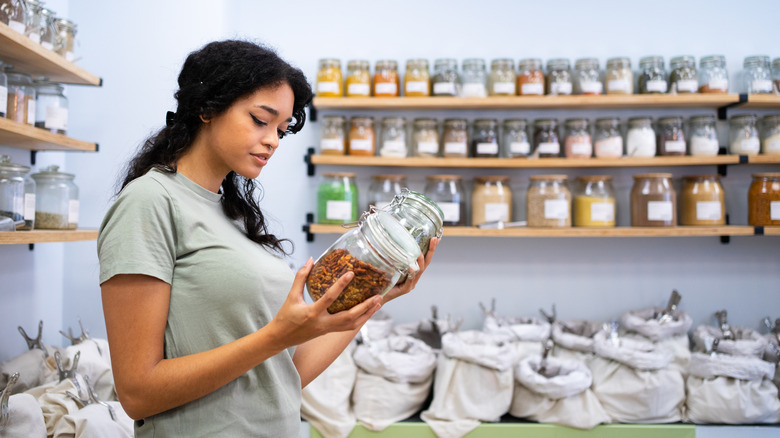
With food prices on the rise and weekly grocery bills feeling less manageable than ever, any opportunity to save money is a bonus. Buying food in bulk is often a better value than small portions, and for foods that have long shelf lives, it can be a great option. With fresh foods however, it can be a little trickier to work out the balance between saving money at the checkout and actually getting better value in the long term. If some of the food ends up in the trash bin, it may not have been the savvy deal you had hoped it would be.
In addition to food waste, a big concern with buying certain foods in bulk is the chance of spoilage and food-borne illness as a result. Bacteria can be present even before mold is visible, and while shoppers know to be cautious with meat and fish, there may be other foods in your fridge that pose a concern if not eaten quickly enough. From fresh berries to bagged salads, some of your favorite ingredients could benefit from being purchased in smaller pack sizes rather than in bulk to ensure they are always fresh and you keep you and your family safe. Let's take a look at seven foods you should avoid buying in bulk.
1. Salad leaves
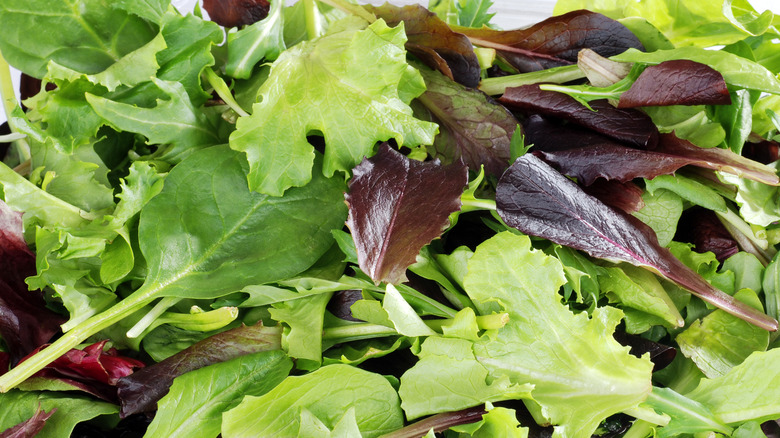
If you're feeling motivated about eating well and in the mood to make various salads, it may be tempting to buy a few huge bags of leaves to see you through the whole week. This may end up being a false economy, however, as bagged salads can turn from fresh to slimy very quickly.
The issue with pre-bagged salad greens is that the leaves have been cut long before you add them to your cart, meaning they are already further down their freshness journey than if you buy whole, locally grown greens. As soon as you open the bag and expose the leaves to moisture and bacteria, the process of spoiling will begin. Since a listeria outbreak in 2023 was considered by the Centers for Disease Control and Prevention to be potentially linked to leafy greens, the safest option is to discard bags of salad leaves once they begin to turn slimy.
Fortunately, there are a few ways to keep your bagged salad fresh for longer. By keeping leafy greens at the appropriate temperature, ideally in the crisper drawer in the fridge, and keeping them sealed until you are ready to eat, bacteria will have less chance to multiply. If you are washing leaves well in advance of eating them, dry them thoroughly with a salad spinner to remove excess moisture, and seal them in a zip bag or plastic container in the fridge.
2. Avocados
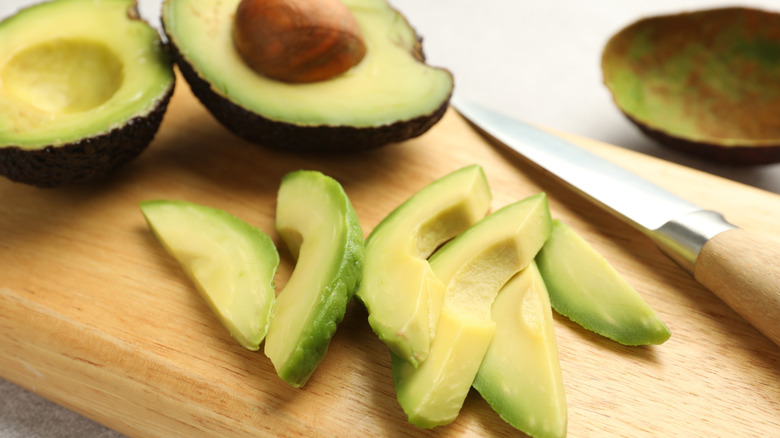
If you are a fan of avocado (who isn't?), then you will have felt the frustration of waiting eagerly for it to ripen, only to be met with the sight of dark brown, past-its-best flesh when you finally cut in. Avocados have a small window of perfect ripeness when they are at their creamy best, and buying a large bag of unripe fruit could mean a lot of waste at the other end.
Avocados don't start ripening until after they are picked, which is why some fruits in the store are still rock hard. Once picked, the fruits start producing ethylene gas, which plays a big part in their ripening. So how you store your avocados is key to preventing them from ripening too quickly and spoiling. Since your fridge and cupboard may be filled with other fruits and veggies that also produce ethylene gas, such as tomatoes and bananas, it is important to keep your avocados away from them unless you are actively trying to ripen them quickly.
Store hard, unripe avocados in a paper bag at room temperature until they feel soft when pressed gently, then transfer to the fridge until you are ready to eat them. To speed up the ripening process, add a banana to the paper bag and seal it to trap the ethylene gas. And if you have an unripe avocado and an uncontrollable craving for tasty guacamole, just add olive oil.
3. Berries
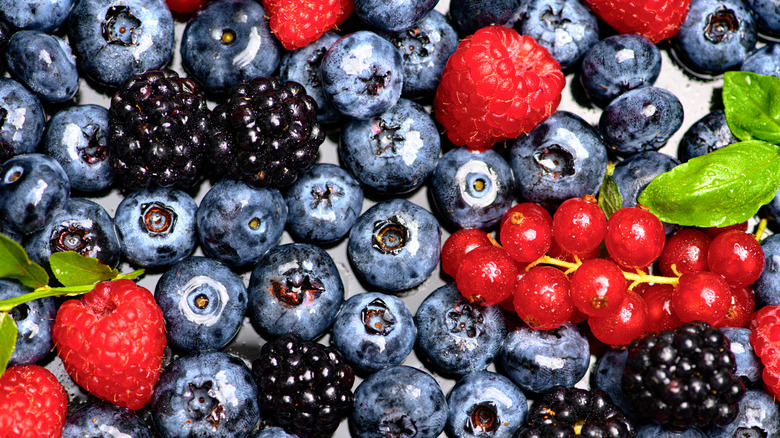
Berries are a delicious luxury that are the perfect accompaniment to breakfast or dessert or a healthy snack on their own, so it can be tempting to buy them in bulk if the opportunity arises. However, they are not known as the most robust fruits, and your sweet, plump raspberries could start to grow mold more quickly than you expect.
Mold loves a moisture-rich environment, and the delicate berries you are looking forward to tucking into are the perfect candidates for growth. Once one berry turns, the furry mold can quickly spread, meaning that a value pack of berries can end up in the compost bin just a few days after purchase.
If you keep a close eye on your berries, however, it may be possible to prevent the whole tray from being ruined. If you spot white mold on a berry, removing the offending fruit and any that are touching it should prevent the mold from spreading; the remaining berries should be safe to eat. If you do decide to buy a mega pack, splitting them into smaller batches in separate airtight containers before refrigeration means if the dreaded mold does strike, you won't lose as many of your precious sweet berries.
4. Soft cheese
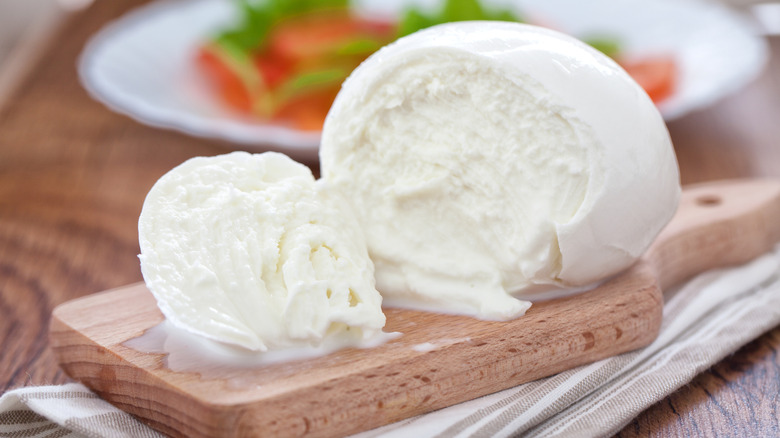
Cheese is a family staple in many homes and something you may be eager to buy in bulk if it's on special. However, not all cheese has the same shelf life, and with soft cheeses in particular, care needs to be taken to ensure they don't spoil.
Soft cheeses include family favorites such as mozzarella and cream cheese. Their appealing, creamy nature is due to their high water content and low acidity. However, this makes them more susceptible to spoilage than firmer cheese such as cheddar. The issue with soft cheese is not just one of food waste — spoiled cheese can harbor dangerous bacteria such as Salmonella, E. coli, and listeria. Cheese made with unpasteurized milk poses the greatest risk, but all soft cheese has the potential to grow mold and spoil quickly once opened, so you should only buy in bulk if you are planning to use the cheese within a few days after opening.
If you spot mold on soft cheese, or if it smells unusual, you should dispose of the entire portion, as bacteria will likely have penetrated beyond what you can see. If you like to buy cheese in bulk to get better value, stick to one of the many types of hard cheeses such as cheddar or Gouda, where any visible mold can be removed, leaving the rest of the block still good to eat.
5. Fresh herbs
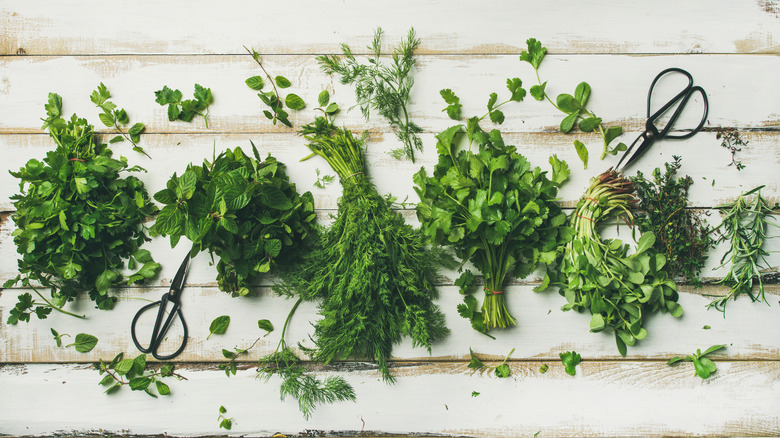
Every keen home cook loves to have fresh herbs on hand to add a burst of fragrant aroma to dishes, and buying a large pack of cut leaves can seem like a good value. But some herbs are more delicate than others and could start to spoil within a day or so after purchase.
Fresh herbs fall broadly into two categories: soft and woody. While woody herbs such as thyme and rosemary are pretty hardy and can be stored well in the fridge, soft herbs such as cilantro, basil, and parsley are much less resilient. Their delicate leaves that make them such a pretty and palatable addition to dishes are easily damaged and can turn black and slimy long before you have a chance to use up a large supply.
One good long-term solution to avoid spoilage is to grow your own herbs. That way, you pick only what you need. But if you prefer to stick to cut herbs, there are a few storage tips that can help increase their longevity. Adding them to a jar with a little water for the stems to sit in should keep them fresh for a few days, though you'll need space in the fridge to store the jar to avoid knocking it over. An alternative space-saving solution is to wrap the cut herbs in a damp — not soaking wet — paper towel and seal them in a zipped sandwich bag. This gives the herbs just enough moisture to remain fresh, and they may keep for up to a week.
6. Bread
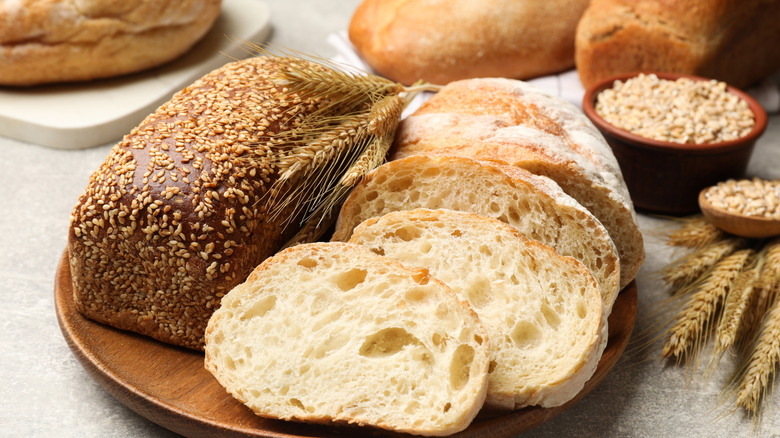
With bread being a pantry staple in most homes, it can be tempting to buy bread products in bulk to save further trips to the store. Bread doesn't have a great shelf life, however, and mold can start to grow quickly, especially if the conditions aren't ideal.
Most people keep bread at room temperature, since refrigerating causes it to go stale more quickly. But if the room is too warm or too humid, the speed at which the bread will spoil will increase. While some people are happy to discard one slice of moldy bread and eat the rest of the loaf, there is a good chance that the mold will have spread to adjacent slices, even if there is no visible green or blue mold present.
If you still want to buy your bread in bulk, proper storage is key. If you are planning to eat it within a few days, wrap it in a paper bag. You can also store your bread in a bread box to make it last a bit longer. These measures will help to regulate the moisture compared to leaving it sitting on the countertop. If you think you won't eat all of your bread before it goes bad, freeze the rest in smaller portions, adding a few slices per bag.
7. Dried spices
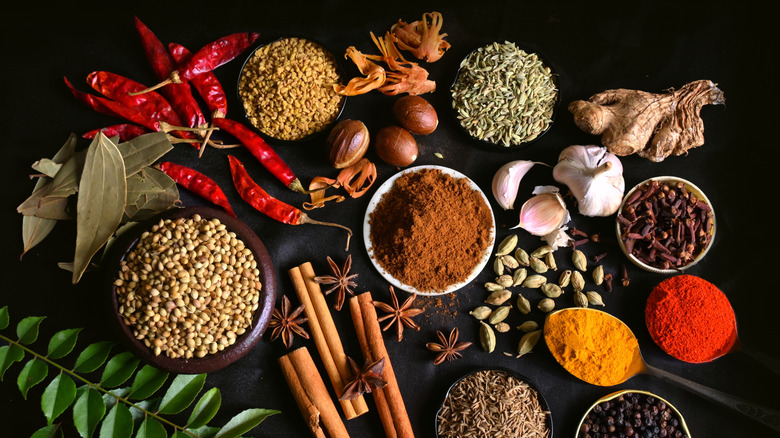
Alongside fresh herbs, dried spices are a pantry must-have in most home kitchens. Many of us buy large packs of spices, knowing that they are unlikely to spoil quickly, but their shelf life doesn't quite tell the full story.
As soon as spices are ground, they begin to react with the air and lose their potency. This means when you buy ground spices from the supermarket or specialty store, they have already begun to lose flavor before you even get them home. Since the intense hit of flavor is the reason for using them, buying smaller quantities more regularly can increase the aromatic effect they have on your food. While spices will not spoil or go moldy, having a cupboard filled with dull-tasting spices is a waste of both money and space.
Where possible, use whole spices like a professional chef and only grind them immediately before use. It pays to grind your own spices. This will reduce the exposure the spice has to the air and help prevent oxidation. If whole spices aren't an option — and you're not using large quantities of spices virtually every day — buying smaller packs of ground spice and replacing them frequently are the best routes to aromatic, delicious meals.