

The Popular Old-School Ice Cream That Goes By A Different Name Now
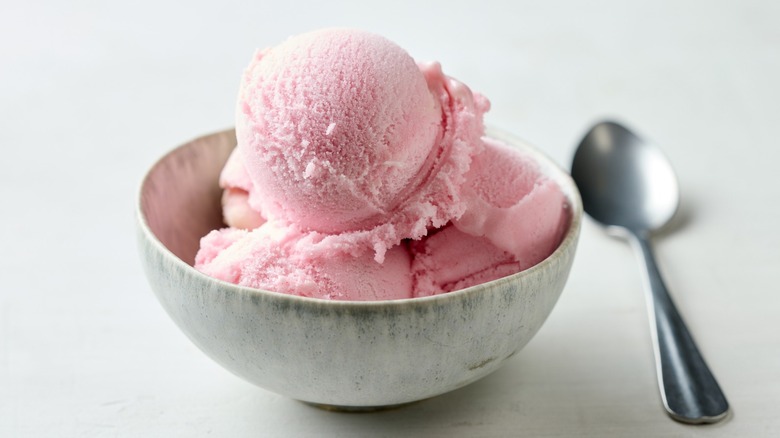
If you were born before 1990, you may remember a particular frozen dessert called ice milk. It looked pretty much just like ice cream, only it was lighter, icier, and if you paid close attention to the nutrition labels, had less fat and comparable sugar. You'd be hard-pressed to find a single item in the grocery store labeled ice milk these days, but the truth is this isn't just another vintage dessert fad lost to time — you still pass by it every time you walk down the ice cream aisle. That's because, the once-prevalent treat didn't melt away, it merely changed names. Yes, thanks to some clever marketing moves and a change to food labeling laws, ice milk is now just called low-fat or fat-free ice cream.
The label switcheroo took place in the mid-1990s after the U.S. Food and Drug Administration (FDA) updated labeling regulations in 1994. Though the change was part of a broader modernization effort for dairy products, FDA officials specifically agreed ice milk did not clearly communicate what the product was or how it differed nutritionally from regular ice cream. Although the FDA did not outright ban the term, it did do away with the identification standards for it, allowing the product to have the low-fat ice cream label.
The difference between ice milk and ice cream
Ice cream flavors have come and gone over time as brands have tried to appeal to different consumer preferences, but the late 20th Century saw changing attitudes toward nutritional content as well. By the 1980s, consumers were vying for lower fat options. Still, federal standards of product identity had long required frozen dairy items with less than 10% milkfat to be labeled ice milk, while anything with the ice cream label had to contain at least 10% milkfat (also called butterfat).
Obviously, that all changed in 1994. Nowadays, richer, premium ice creams are denser and contain more fat, generally falling between 14% and 20% fat, while regular ice cream contains anywhere between 10% and 14%. The former ice milks, now considered fat-free and low-fat ice cream, contain anywhere between 0% to under 10%. The flip side of this is ice cream lower in fat is not as creamy or dense, and many also contain more sugar. So, if you're looking for low-fat ice cream (ice milk) for health reasons, pay close attention to the nutrition facts before you make your decision.
Brands benefitted from the name switch
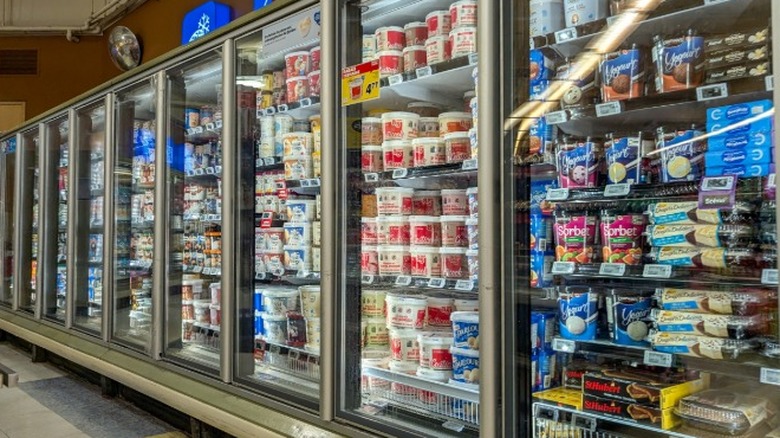
For makers of ice milk, the name switch was about more than just providing customers with clearer information about the product. Multiple reports from the time described how switching labels from ice milk to low-fat ice cream helped boost sales of the product considerably, including a 1996 article in The Chicago Times that ran under the headline, "Now That it's Low-Fat, it's Loved." Likewise, a consumer sciences manager at Darigold told The Seattle Times in 2000 the ice milk label was always difficult to sell to consumers due to it spurring unappealing imagery of a grainy, icy, not-real alternative to ice cream.
Either way, if you were a fan of ice milk or you missed out on it in decades prior and want to see how it stacks up in flavor and texture to traditional ice cream, just know it's still right under your fingertips the next time you're in the grocery store frozen section. And hey, nobody can control what you call it at home!