

Buying Matcha Online: What You Need To Know
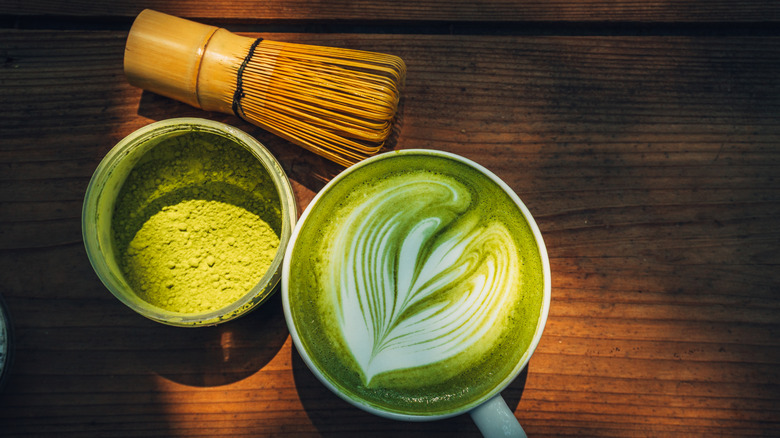
Smooth, energizing, bright — the perfect cup of matcha is an absolute delight, but it can be a challenge to create in your own kitchen, especially if you're not familiar with how to pick the right matcha powder. Finding high-quality matcha is easier said than done, especially when you're ordering online and faced with tons of options. While you can certainly tell whether you're sipping on high-quality matcha once you've got it in your kitchen, it can be tough to figure out the best choice simply by sorting through online claims and reviews. There are a few key factors to consider, including the origin, grade, and price.
While matcha has been popular in cafes and home kitchens for several years now, its history goes back — like, way back. More than a thousand years ago, similar teas were enjoyed in China, and the matcha we know and love today developed in Japan half a century ago. Today, Japanese matcha is generally regarded as superior, so look for Japanese-grown matcha (the packaging should be clear).
Matcha from Japan is typically less bitter than other varieties, and it may even contain higher levels of nutrients. There are several different regions in Japan that produce matcha, each offering different flavor profiles. Matcha from Yabukita, for instance, tends to be on the grassier side, while matcha from Saemidori tends to offer more floral notes. One region isn't better than the other but knowing your own preference can help you find the matcha that's right for your tastebuds.
Is it worth paying more for ceremonial grade matcha?
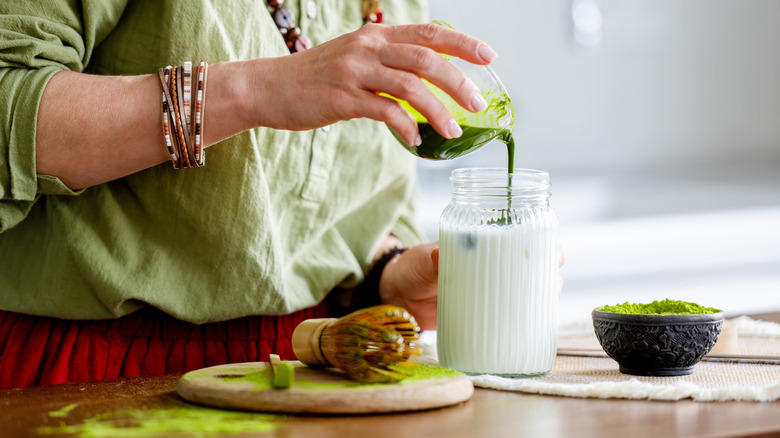
You'll likely notice two different categories of matcha when you're shopping online: ceremonial and culinary grade. These unregulated Western terms aren't used in Japan, so what's considered a higher-end ceremonial matcha by one company might be considered a not-as-palatable-for-drinking culinary grade matcha by another. Often, ceremonial matcha is less bitter than matcha rated for culinary use, so ceremonial might be a better fit if you're using it to make an at-home matcha latte (pro tip: Use a milk frother for a super silky, clump-free result). Culinary matcha might be a better fit if you're making ice cream, cupcakes, or even hummus (seriously — there are a ton of savory ways to use matcha in the kitchen). Since each brand creates its own grading system, it can be helpful to find a brand you love and stick with it — that way, you'll know what to expect from each grade.
Also consider pricing when choosing matcha online, since typically, you get what you pay for. If you come across high-end, ceremonial-grade matcha for a super-cheap price, it's likely you're not actually getting a legit product. Thankfully, you don't need a top-shelf version of matcha to still enjoy its awesome taste — or to reap the supposed health benefits associated with sipping on a cup of the green stuff. Choose a Japanese matcha that's within your price range (go for ceremonial, if you can swing it) and you'll be well on your way to one Zen morning after another.