

The Best Times To Drink These 5 Popular Teas
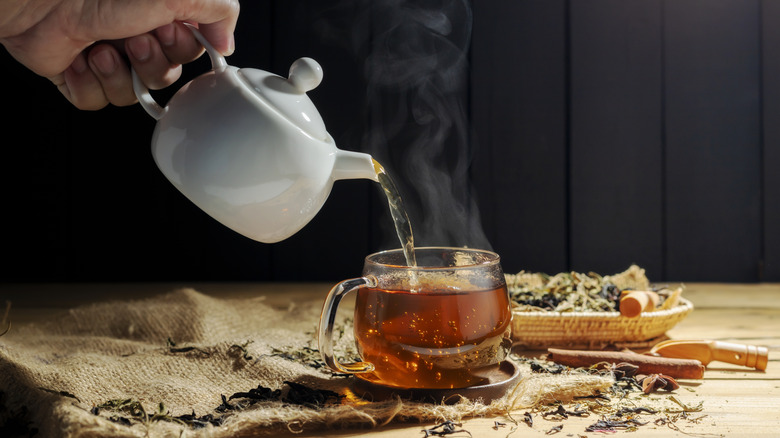
Tea is (after water, of course) the most popular drink in the world. A staple of the diets of almost every culture on earth, we drink billions of gallons of the stuff every single year. But not all teas are created equal — while they're delicious, and an excellent source of hydration, they also have a number of other unique benefits that make them such a magical beverage. To get the very best out of different types of tea, it's helpful to consider when you're actually drinking them. The compounds found in teas that give them those benefits can affect your body differently depending on when you consume them.
Things like caffeine, amino acids, polyphenols (powerful, naturally occurring antioxidants that can have a whole host of health benefits) can all have different advantages at different times, affecting things like energy, digestion, and sleep. The caffeine in your cup of tea, for example, can stick around long after you drink it (its half life being about five hours), so timing when you drink more caffeinated teas can really affect your sleep patterns. Other compounds like catechins (another natural antioxidant), for example, or those polyphenols we mentioned earlier, are more effectively processed by the body when you drink tea before or after a meal, rather than during it. Below, we'll look at five of the most popular teas, and tell you the best time to drink them.
For a gentle energy boost, drink green tea in the morning or early afternoon
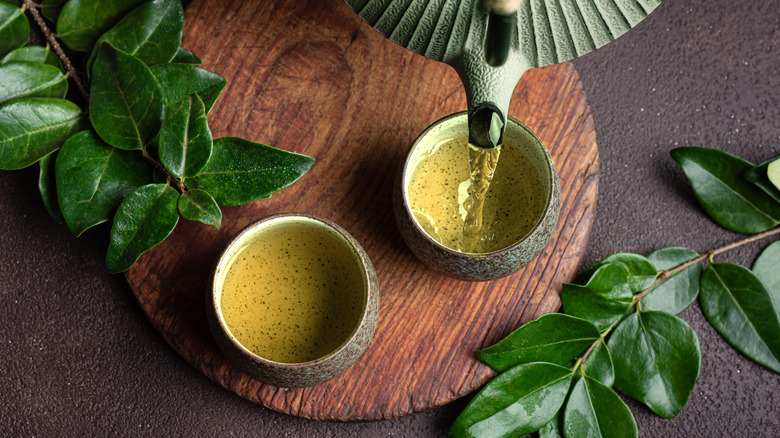
Green tea is often seen as being the "energy tea." But it's more than just a morning pick-me-up. Green tea is great if you want a gentle boost of energy that lasts, and doesn't make you crash like coffee can. Best drunk in the morning around an hour after waking up, or in the early afternoon just after lunch, it's not packed with caffeine like you might assume, but it has more than enough to get many people through the day (on average, between 30 and 50 milligrams per cup).
This gentle hit of caffeine is great combined with the wonderful little compound known as L-theanine. This is an amino acid that's prevalent in green teas, which promotes focus as well as naturally reduces stress. This leaves you feeling alert, but not skittish. Green tea also contains those catechins we mentioned earlier, such as EGCG, a polyphenol which (among other benefits) can act as an anti-inflammatory, which is great for your metabolism and cardiovascular health.
At the very least, drink green tea between meals, as that can help to maximize your body's ability to process its antioxidants, making sure you get the best out of your cuppa. It's worth noting that green tea is probably not the best drink for the evening. While the caffeine content isn't that high, it's there — and that can disrupt your sleep if you consume it too late, especially if you're naturally more sensitive to caffeine.
For sustained energy, black tea is best in the morning
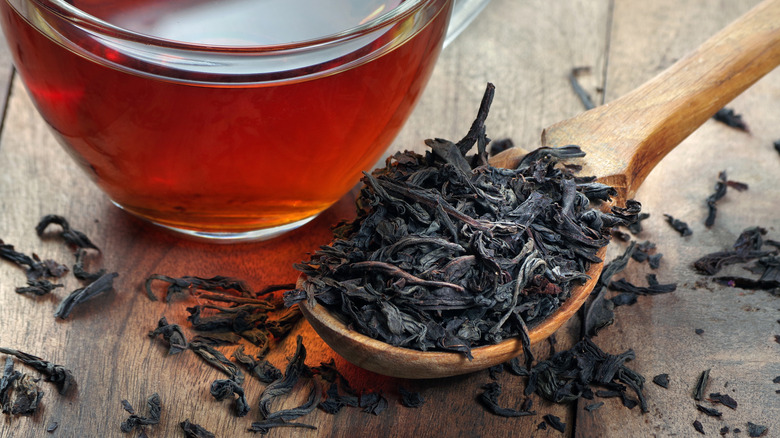
Black tea is easily the most popular type of tea worldwide. In fact, it makes up around three quarters of our total tea consumption, and it's an especially iconic beverage in Britain. While the Brits will drink their tea at pretty much any time (and more often, all the time), it's actually best to drink your black tea early in the day. They do call it breakfast tea, after all.
Black tea usually has a high caffeine content, higher than green tea despite what you might have heard. While its caffeine content still pales in comparison to coffee (40 to 70 milligrams of caffeine per cup, compared to up to 200 milligrams in a cup of brewed coffee), it's still best consumed in the morning for a boost of energy and alertness. It can also help kickstart your day with a circulation boost. Black tea is an effective vasodilator (it improves your blood flow), making it brilliant for your cardiovascular health when consumed in moderation. Drinking it early in the day can align its energy boost with your normal circadian rhythm, avoiding disruption to your sleep, and keeping your nervous system happy. Black tea is also rich in theaflavins and thearubigins, antioxidants that can help naturally lower your cholesterol, promoting heart health, among other potential benefits. Having your cuppa in the mid-morning can also help you avoid the early afternoon slump often experienced with coffee or sugary energy drinks.
Oolong tea is the perfect post-lunch drink
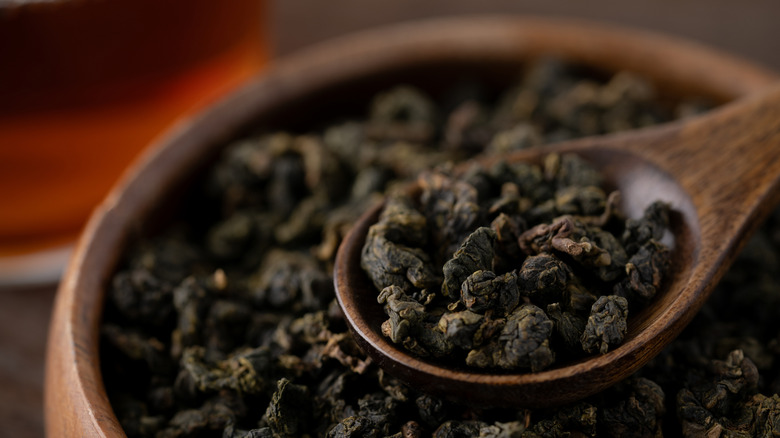
If you've eaten at a Chinese restaurant before, chances are you've come across oolong tea. It's a traditional tea, unique in flavor and color. You see, while green teas are left completely unoxidized, and black teas like Assam are allowed to fully oxidize, oolong tea sits somewhere in the middle, and that partial oxidation gives it a rich flavor profile, with tasting notes ranging from fresh, bright, floral scents that you'd expect in herbal teas, to the lovely, tannic, full-bodied flavor you want from a great black tea.
When it comes to what time you should drink it, the relatively low amount of caffeine (around 10 to 60 milligrams per cup) and the complex flavor profile makes it a perfect digestif after a meal — plus it's gentle on your stomach, too. Drinking it anywhere from half an hour to an hour after eating lunch can help your body digest that food, as well as give you a boost of energy to push past that post-meal slump and regulate your blood sugar (especially when compared to fizzy, sugary drinks).
In terms of energy, oolong offers a slow release of energy similar to green teas, perfect for the early afternoon, when more caffeine might usually cause you to crash. Drinking it in the early afternoon also means that it won't interfere with your sleep, leaving enough time for that caffeine to wear off before the evening. If you don't have the time to brew it yourself (or don't have the equipment) you can pick up a convenient bottled, iced oolong tea at Trader Joe's.
Drink matcha in the morning for a potent boost of energy
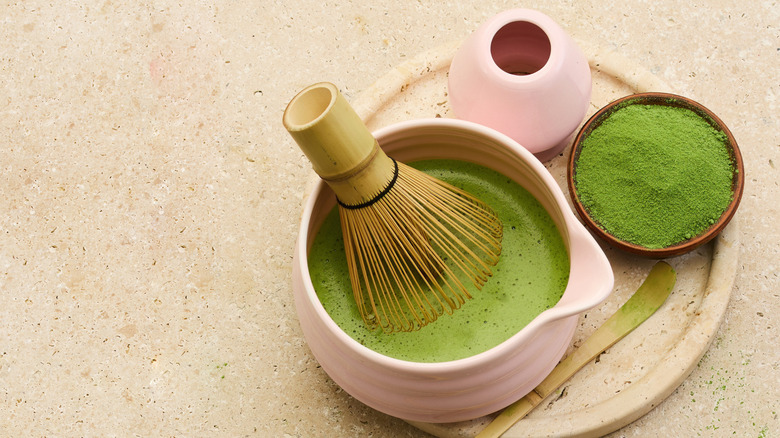
Matcha is all the rage right now. Whether you're talking about the traditional, ceremonial-grade stuff or the matcha drinks that have become popular at chain coffee shops, it's hard to escape this potent green powder. Matcha is a green tea, like the ones we covered earlier, but it comes in powdered form, meaning that it's more intensely concentrated. More surface area means more absorption, which means a higher caffeine content and more of that L-theanine per cup than you'd find in other green teas (up to 89 milligrams per cup.) This combination gives you a bigger energy boost than you'd get from other teas, closer to what you might experience from having a coffee — but still without that jittery, crashing sensation when the caffeine wears off.
This makes matcha a brilliant morning drink — either at the start of your day or in the mid-morning. This will give you a sense of alert focus (but also a sensation of calm) that will accentuate your natural cycle of waking up, and last through the afternoon. Drinking it in the morning means that those antioxidant properties (which are also enhanced from your regular green tea) are absorbed when your body's already active, enhancing their benefits. Just be mindful to avoid drinking matcha in the afternoon, especially if you have trouble sleeping — it packs a powerful dose of caffeine, so stick to morning sips.
Herbal teas are great any time of day, especially in the evening
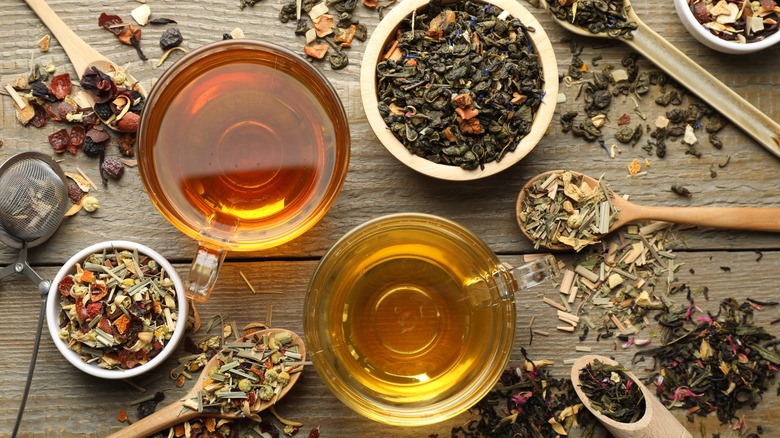
There's been an awful lot of talk about caffeine on our list — but drinking tea for energy is only one use of this most versatile of drinks. So how about we finish by talking about something you can drink at bedtime? Herbal teas are some of the most beloved options out there, from refreshing peppermint to relaxing chamomile to South Africa's iconic rooibos tea. The wonderful thing about these caffeine-free teas is that you can drink them whenever you want without worrying about energy crashes. But certain herbal teas do have benefits that are more pronounced at specific moments.
For a relaxing drinking experience that'll help you drift off to sleep, teas like chamomile or peppermint, for example, are great for winding down in the evening. They, along with many other herbal blends, have long been held to have calming properties, promoting relaxation. Herbal tea can be a blissful part of your evening routine, making sure you go to bed bath calm and hydrated. Chamomile, in particular, is known as a great "sleepy tea" especially when paired with flavors like honey and lavender. Peppermint, meanwhile, is soothing on the gut, aiding digestion, making it a perfect post-dinner tea. Hibiscus tea, made from the flower, has a satisfyingly tart flavor and is supposedly excellent for you when it comes to blood pressure. Because it's caffeine free, it's also a great option for drinking day or night.