

Ignore This Label On Meat That Sounds Special But Actually Has No Meaning
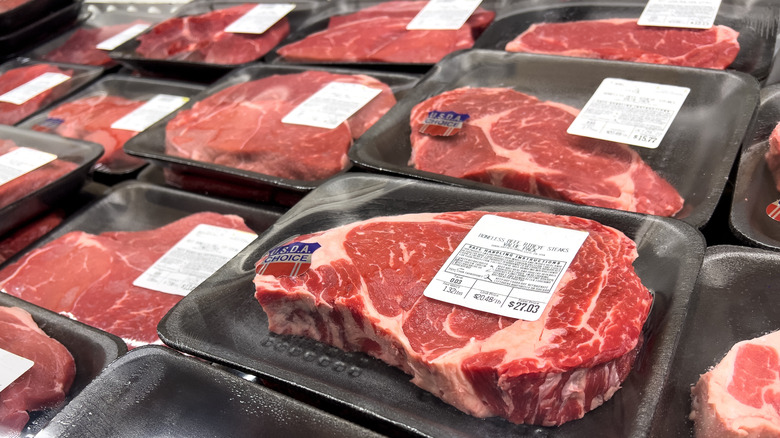
There's a ton of lingo on meat and dairy packages these days. Grass-fed; pasture-raised; grain-fed, grass-finished; farm-raised. It can be tough to figure out exactly what words make it worth it to shell out a few extra bucks. While there are some food label terms that are worth paying more for, "farm-raised" isn't one of them. According to the National Chicken Council, "All chickens are raised on farms. So any chicken could be labeled 'farm-raised.'"
While the words "farm-raised" can have some meaning, it's not an officially regulated term, such as USDA organic. According to the National Chicken Council, if you see the term "farm-raised" on a restaurant menu, it could mean the chickens were raised locally. The same holds true for beef; since "farm-raised" isn't an official term from any governing body, it could mean anything. When in doubt, read the label more closely to learn more about where and how the meat or poultry was raised, or ask your server for some additional information on where the restaurant sources its meat or poultry.
An important distinction: When it comes to buying seafood, the term "farm-raised" actually can give you some valuable information. The term is used to differentiate between fish that's wild-caught in its natural environment (such as the ocean or a lake) and fish that's been grown in a seafood farm. There are pros and cons to both wild-caught and farm-raised seafood.
Meat marketing terms that actually mean something
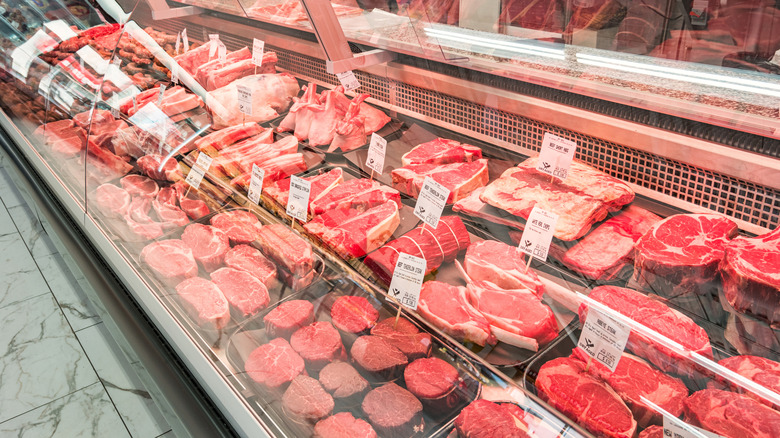
If you're struggling to sift through the marketing speak that's sprinkled on packages in the meat, poultry, and seafood section of the grocery store, you're not alone. Knowing what to look for can help you figure out which products are actually worth a bit more money than conventionally farmed items. First, as we mentioned, the USDA organic certification is legit. Farms and processing plants have to go through a rigorous process to earn the seal. If you see a USDA organic certification, it doesn't just indicate that the food you're about to eat is free of additives — it also says something about animal welfare. According to the USDA, "As for organic meat, regulations require that animals are raised in living conditions accommodating their natural behaviors (like the ability to graze on pasture)."
The term "free-range" is also regulated by the USDA, and it can apply to both beef and poultry products. While this might not make a difference in the quality of your beef or poultry, it can provide you with some peace of mind that it had ongoing outdoor access. Other similar terms regulated by the USDA include "free-roaming" and "meadow-raised." While the term "farm-raised" seems to intend to give you a picture of animals lounging in the sun while eating grass, this isn't the case. Taking a little bit of time to research on-package claims can give you a better idea of what life was like for the cow, chicken, or other animal that's going to be on your plate.