

Why Only 10% Of Beef Gets A USDA Prime Grading (And What Qualifies It)
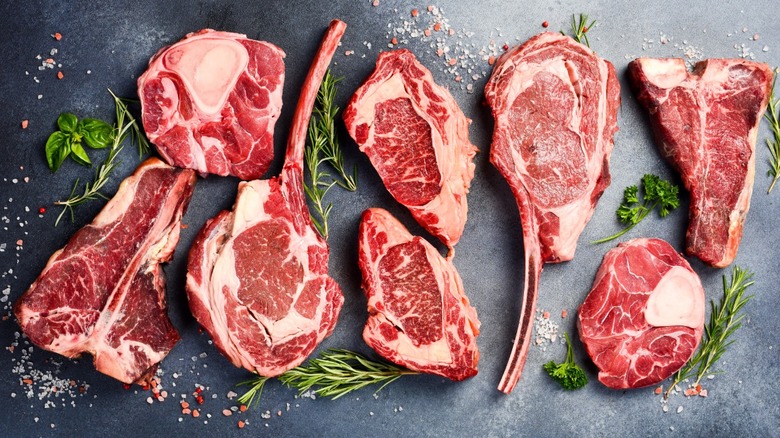
If you're a steak lover who's been grocery shopping for a while, you might already know prime beef is considered the best quality beef. You've also probably noticed it's the most expensive (and maybe that's what led you to think it's the highest quality — though it is still important to understand different beef grades and what they mean). But what you may not realize is just how rare USDA prime beef is, and, no, we're not talking about temperature doneness.
Now, the exact quantity of beef that receives the top grade of USDA prime is a tad unclear, as the percentages vary depending on where you look. Some steakhouses and beef companies say it's only 2% to 3%, while others say 3% to 5%. However, the percentage has increased over the years, and the USDA meat grading reports for 2024 and 2025 show 10% (specifically, 10% in 2024 and 10.8% in 2025) of all beef graded earned the prime rating each fiscal year.
Different meat companies may have slightly different ideas of how much beef qualifies as USDA prime simply because their own supplies may vary in quality. Regardless, it's apparent only a small portion of American beef qualifies for the USDA prime label, but why is this, and is that assessment still accurate? To fully understand what kind of beef you're getting, it's worth taking a closer look at what the prime label means and how it's used, as well as the state of the meat industry.
What qualifies as USDA prime beef
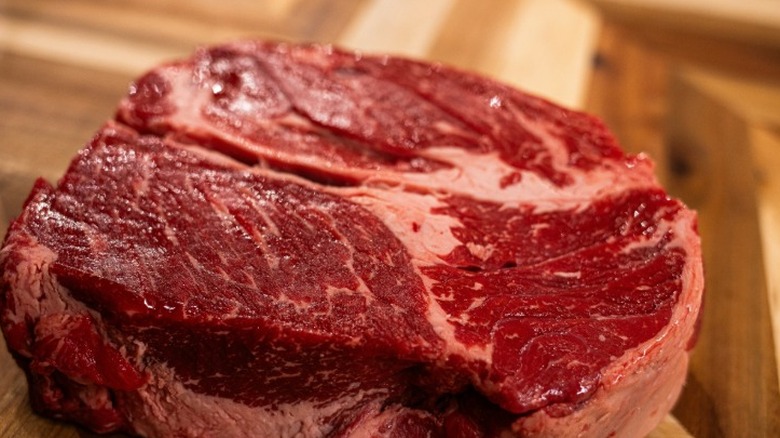
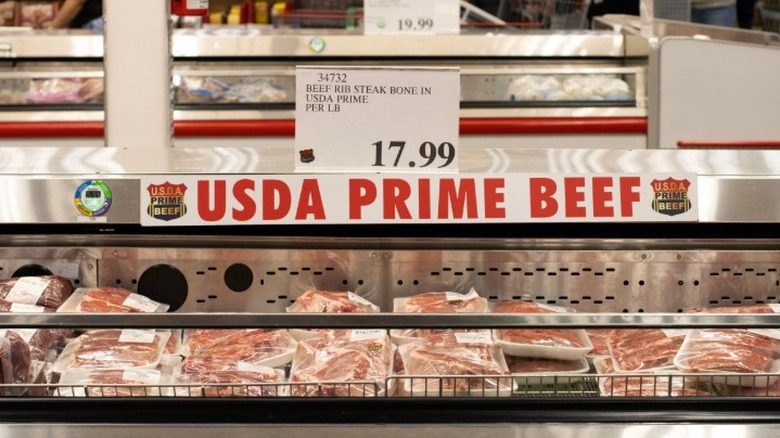
In addition to your local grocery store, USDA prime beef is most commonly found in high-end steakhouses and specialty butcher shops. But what exactly is it? According to the USDA, prime beef must come from young, healthy cattle and exhibit abundant marbling. The USDA grading process also looks at factors like meat color, firmness, and texture. Nevertheless, it's really the marbling that plays the most critical role in separating prime beef from lower grades like choice and select. And because the marbling standards are so strict, only a small percentage of beef actually qualifies as prime.
The fatty deposits in prime beef are the end result of a combination of factors, including genetics, cattle breed, age (again, only younger beef qualifies), diet, and overall lifestyle. As a result of these fatty streaks melting during cooking, the meat is valued for its tenderness, juiciness, and rich flavor qualities.
Developing prime beef accordingly takes considerable time and effort, which also translates to greater expenses for all involved. Of course, that doesn't necessarily mean the lesser beef tiers aren't worth it. There are definitely some low-quality beef types you should avoid buying, but choice and select beef can be great for a variety of purposes, like roasts and stews.
Changing standards can affect the prime label
The USDA has been grading meat for more than 100 years now, with the first beef grades developed in 1916. Quite a few things have changed over the decades since, and adjustments have continued to be made in recent years — in 2024, for instance, the USDA introduced new marbling grading cards to help further assess beef for quality. And every time these changes are made, so can the amount of meat that qualifies as prime under the new standards. In other words, a steak that was considered USDA prime in 1930 might not make the cut if it were time-warped to today.
There's also the fact both grass-fed and organic beef have grown significantly in popularity in recent years as customer preferences steer more toward ethical sustainability and health. But because USDA beef grades place high focus on the amount of marbling, it's rare for grass-fed beef (which is naturally leaner) to make the prime grade. That's not to say you can't still find high-quality grass-fed or organic cuts — the USDA does have separate grading standards for these cuts in order to earn their organic and grass-fed labels — but of course lower levels of marbling in grass-fed or organic beef contribute to USDA prime being a rarer find. If you are buying organic though, look for a USDA certified organic label to be sure it's the real deal.