

The Overlooked Food Microplastics Might Be Hiding In
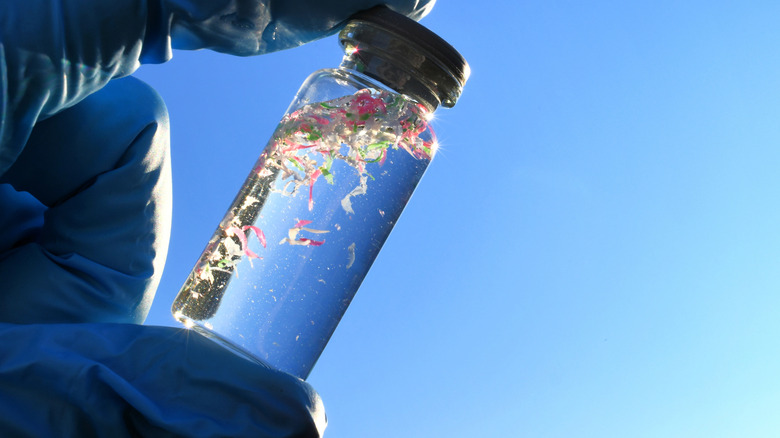
When we talk about microplastics in food, maybe you think about seafood, bottled water, or the plastic containers you put your leftovers in. But there is one thing that tends to get overlooked, which is far more ordinary: canned foods. The plastic, in this case, is not originating from the food but the thin plastic-based lining inside many cans — most are lined with a polymer coating designed to prevent corrosion and stop metal from leaching into the food.
While the coating is generally considered safe, recent research speculated whether tiny plastic particles can transfer from the lining into the food itself. Some studies have shown microplastics do transfer from food packaging under certain conditions, particularly with heat or long storage times, but there's no clear idea about how much microplastic transfer occurs in everyday, run-of-the-mill storage and consumption of canned foods. And importantly, the presence of microplastics in the body is still under review with research ongoing and many questions remaining unanswered.
What the science says and what it doesn't
The lining inside a can is important because, without it, canned food would taste metallic, spoil faster, and generally be far less appealing. That's the positive. The complication is this same protective layer is now part of a bigger conversation about plastics in food, but so far, that scrutiny hasn't changed what people are told by governing bodies. In other words, there's no advice saying consumers should avoid canned foods, and the U.S. Food and Drug Administration still says can linings are generally safe. That's important to note, especially since canned foods are useful to stock in your pantry – they're affordable and nutritionally comparable to their fresh and frozen counterparts.
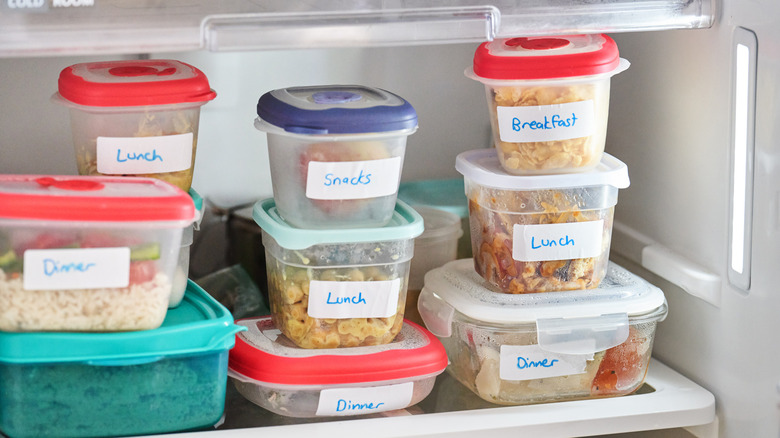
While the science is divided and unclear, canned food isn't the main problem — plastic shows up all over kitchens: in containers, chopping boards, and water bottles, as well as how leftovers get reheated. Changing some of those things over time might matter more than focusing on just one product or changing what you eat. Scientists are continuing to study how microplastics behave in the body and what levels, if any, may pose risks. Until clearer answers exist, the consensus is canned foods are safe to eat and any potential microplastic exposure from them is likely just one part of a much larger, still-unfolding story. I'll get rid of my plastic cutting board, but you'll be hard-pressed to see me part with my canned beans anytime soon.