

Listeria Is More Likely To Infect This Type Of Cheese According To The CDC
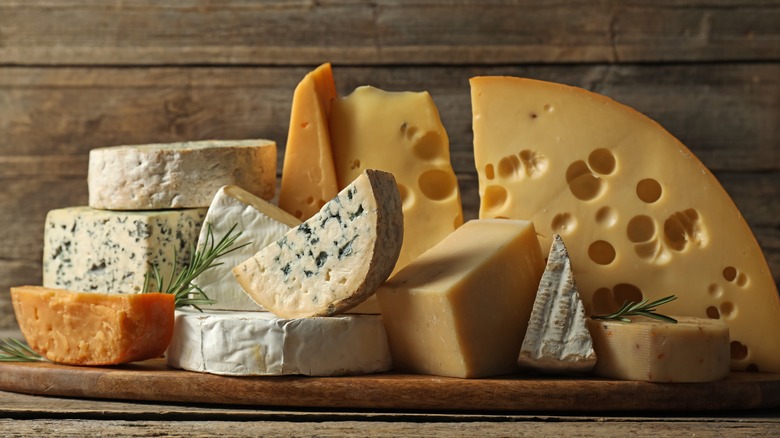
The thought of foodborne illness is pretty scary, and for good reason. Foodborne illness and food intoxication can cause a range of symptoms and, with an estimated 48 million people getting sick each year from contaminated food per the CDC, it's perfectly understandable to be concerned. Food can carry bacteria like salmonella, E. coli, and campylobacter, all of which can cause sickness, hospitalization, and even death. Listeria is one such bacteria, and while it is rare, it is quite serious, and the source is often something that cheese lovers have a hard time resisting.
The CDC warns against soft cheeses and cheeses made from unpasteurized milk as a potential way to get infected with listeria. Specifically, this means queso fresco-style cheeses, as well as those like Brie, camembert, and other cheeses that haven't gone through a lengthy aging process. The low acidity and high moisture content of these cheeses provide the perfect environment for Listeria bacteria to grow, while other cheeses that are harder and dryer are aged longer, which helps kill the bacteria if it is present.
Some cheeses are so dangerous you can't even get them in the United States, but queso fresco-style cheeses and brie are available just about everywhere. With listeria being the third leading cause of death from foodborne illness (the CDC estimates an average of 172 people die each year from this infection), you'll want to make an informed decision before you eat these cheeses.
The risk is real but avoidable
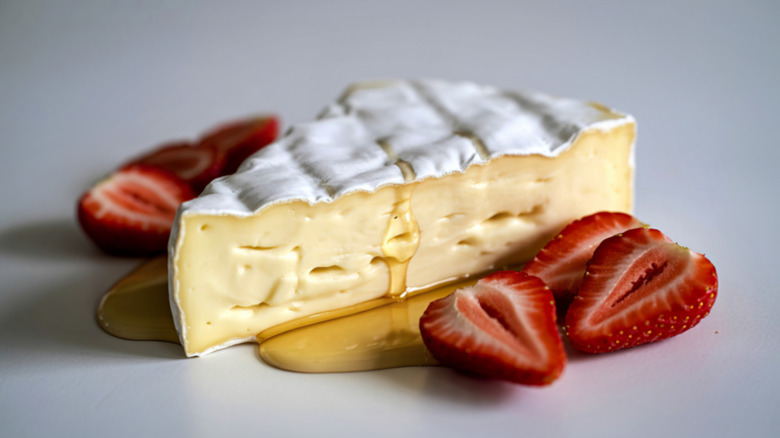
Soft cheeses aren't the only culprit when it comes to listeria. The bacteria can be lurking in other places as well, including chicken (which has been the subject of massive recalls over listeria concerns in the past) and raw milk dairy products like milk, ice cream, and yogurt. American food and dairy producers are required to age cheeses made from unpasteurized milk for at least 60 days at 35 degrees Fahrenheit or higher in order to be allowed to sell them across state lines. This helps lessen the risk of bacteria like listeria from growing, but it doesn't completely eliminate the risk, so if you want to protect yourself from getting sick, follow the CDC recommendations or avoid cheeses made from unpasteurized milk.
If you enjoy these cheeses but are worried about getting sick from Listeria, you're in luck. According to the CDC, heating soft cheeses or cheeses made from unpasteurized milk to 165 degrees Fahrenheit will kill listeria bacteria, making them safe to eat. This is particularly important for people who are highly susceptible to listeria infections, like pregnant people, those with weakened immune systems, and older adults (65 and older). But regardless of how vulnerable you are, it's still best to follow safe handwashing practices after handling the cheese to avoid cross contamination, meaning washing your hands for at least 20 seconds using soap and warm water after you've come in contact with a risky cheese.