

15 Types Of Ramen, Explained
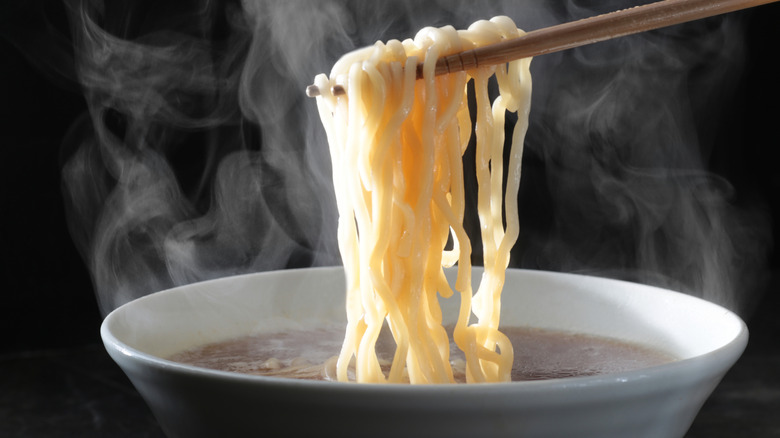
As a chef and an Asian American with nearly a decade of experience working in kitchens around the globe, I've developed a deep passion for ramen and the regional diversity that defines this beloved Japanese culinary tradition. It's the backbone of Japanese cuisine, and with new modern ramen shops opening up every day here in the United States, there are a few things you need to know about ramen if you want to be an expert.
First things first: Understanding the basic ramen broths is essential. There are four main ramen broths in Japan: miso (fermented soybean paste), tonkotsu (pork-based), shio (sea salt), and shoyu (soy sauce). All of these broths are used as a base and flavored with tare — a concentrated seasoning base made from soy sauce, mirin, sugar, sake, garlic, and ginger that is mixed into the main broth just before serving. The tare is used in ramen making to adjust the seasoning in the broth and ensure a balanced flavor in each bowl. Beyond the broth and tare, the noodles and topping vary among regions, with each city and prefecture developing its own signature style and local specialties that we will explore through these 15 distinct ramen styles.
1. Tonkotsu ramen
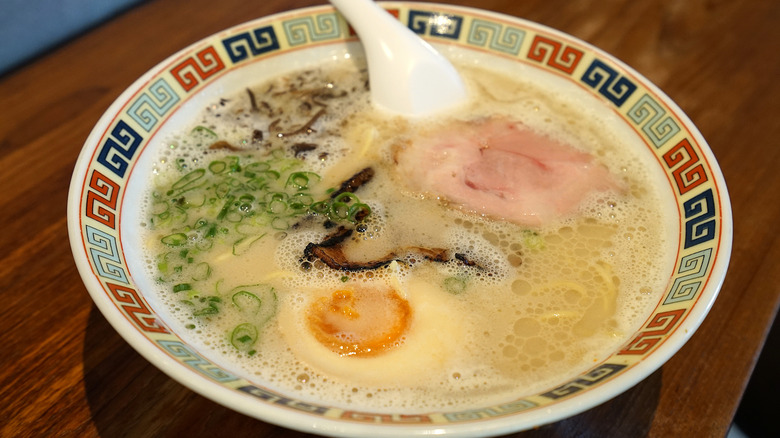
Tonkotsu is a creamy, rich ramen from the Fukuoka Prefecture in Japan's island of Kyushu that's famous for its opaque, milky-white broth made by boiling pork bones for an extended period of time. The broth is typically boiled on high heat for around 12-14 hours, which breaks down the connective tissue and extracts the collagen, gelatin, marrow, and fat. The result is a luxuriously rich and deeply savory broth with a creamy, slightly thick texture.
Traditionally, a tonkotsu ramen bowl is topped with sliced chashu (braised pork belly), bamboo shoots, a soft-boiled egg cooked just enough to get the jammy yolk of your dreams, wood ear mushrooms, scallions, and sesame seeds. It's often served with thin, straight, and firm alkaline wheat noodles called "chukamen," which are designed to hold their structure in heavy pork broths without getting too mushy. Due to their alkaline treatment, these noodles have a pleasant, springy, chewy texture that creates a satisfying contrast to the creamy, rich broth. You can find tonkotsu served in ramen houses throughout Fukuoka Prefecture, especially in the city of Kurume, where it was invented.
2. Shoyu ramen
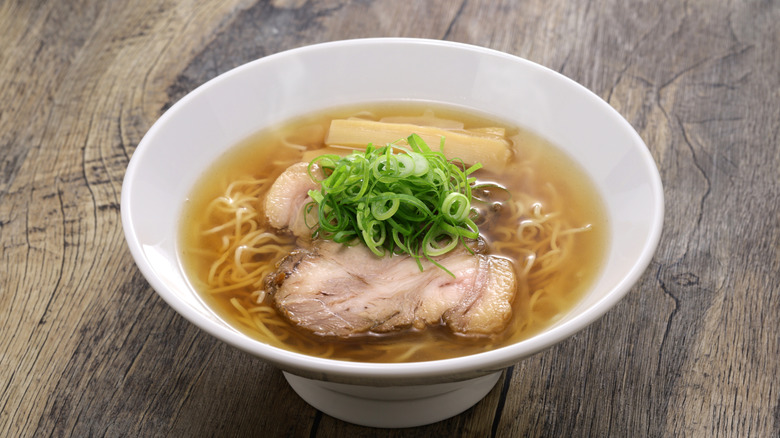
One of Japan's oldest ramen styles, shoyu ramen uses a soy sauce-based broth made from slow-simmering chicken or pork bones with a medley of vegetables, aromatics, and often kombu or bonito flakes, which are among the best ingredients for extra umami flavor. The broth has a balanced mix of rich, salty, and slightly tangy notes with a much lighter and less creamy flavor profile than tonkotsu. It's typically topped with sliced chashu, bamboo shoots, soft-boiled egg, wood ear mushrooms, nori, and thinly sliced scallions. The noodles are made from a wheat-based dough and have a medium thickness and a wavy texture. These noodles are called "chijire-men." They are designed so the broth will cling to them, making every slurp tasty and satisfying.
Shoyu ramen originated in Tokyo in 1910 at Rairaiken restaurant in the Asakusa district. At the time, it served a lighter, soy-sauce based version of a Chinese noodle dish. Rairaiken's dish would later become the foundation for the modern shoyu ramen.
3. Miso ramen
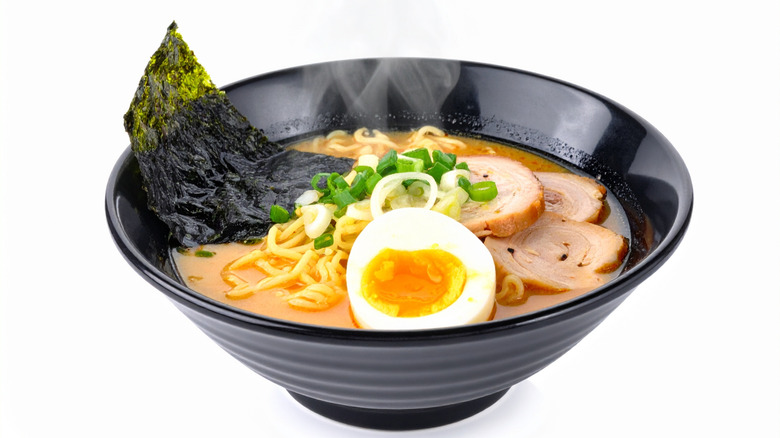
Miso ramen is a hearty, rich ramen featuring broth made with miso paste that's usually blended with tonkotsu or chicken stock for extra savory, umami flavor. It has a salty, slightly sweet, umami-forward taste with a unique earthiness and nuttiness coming from the miso. The aromatics and vegetables are typically sautéed in the pot before adding the stock, which helps to caramelize the ingredients and add an extra depth of flavor. The noodles are usually a medium thickness with a wavy texture that's perfect for clinging to broth and slurping all of its savory deliciousness.
There are miso ramen variations throughout Japan, with the most famous being the Hokkaido-style miso known for its buttery, rich flavor and its tasty toppings, including sweet corn, green cabbage, bean sprouts, sliced chashu, and a soy-marinated soft-boiled egg, which is a must for the perfect ramen. Miso-based ramens actually originate in the Northern Prefecture of Hokkaido, with its cold, snowy winter weather being the perfect match for the deeply savory, heartwarming broth.
4. Shio ramen
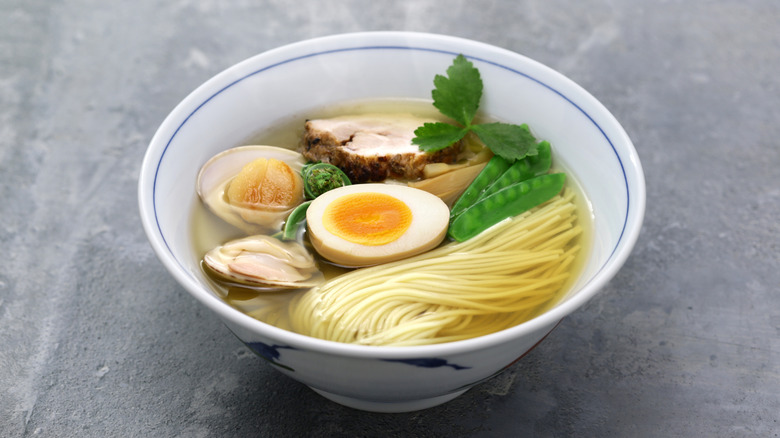
Shio ramen is one of the simplest ramen styles that's known for its light, clear, and delicate broth primarily seasoned with shio (sea salt). It's one of the four main ramen styles in Japan. Its broth is typically made with chicken bones, vegetables, dashi, and aromatics such as garlic, ginger, and onion, and this ramen focuses on a clean profile, allowing the natural flavor of ingredients to shine through. Shio ramen has the most unique tare seasoning base made from salt dissolved with various ingredients, including kombu (dried seaweed), sake, mirin, and dried seafood such as scallops, fish, and shrimp, creating a concentrated base that defines the ramen's character.
The noodles are typically thin to medium thin to match the delicate flavor profile of the broth. They are tender and chewy with straight shapes that hold just the right amount of the clear, light broth. Shio ramen bowls are usually garnished fairly minimally with just sliced chashu, scallions, nori, and sometimes narutomaki (fish cakes). Occasionally, they are topped with thinly sliced chicken breast instead of chashu to complement the lighter flavor of the broth.
5. Gyukotsu ramen
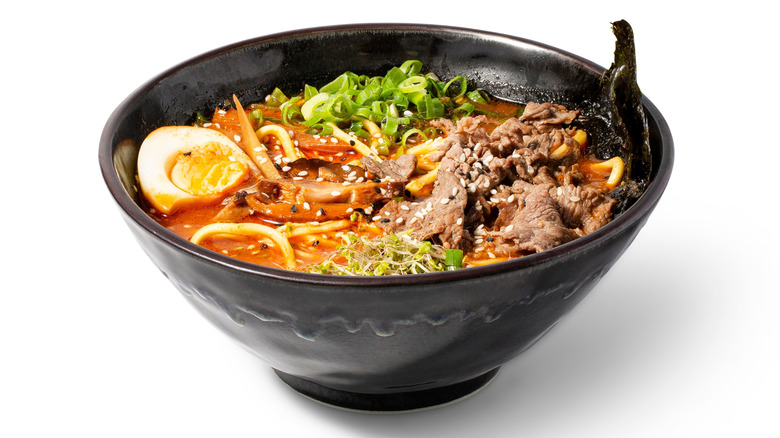
Gyukotsu ramen is a unique beef bone-based ramen where the broth is traditionally made by slow-simmering beef bones, meat, and sometimes marrow bones for about 10-12 hours. It's similar to the tonkotsu method but using beef instead of pork, giving it a lighter, slightly sweet flavor with a deeply savory beefy taste. Its name, gyukotsu, means "beef bone," with "gyu" meaning beef and "kotsu" meaning bone.
It's rarely made in Japan outside of its region of origin, Tottori. In ramen houses throughout that prefecture, you can find chefs serving it with thin, straight, or slightly wavy noodles that have a chewy texture made to soak up the intense beef broth. Gyukotsu is often topped with braised beef slices, rich beef belly chashu, or beef short ribs, alongside scallions, marinated soft-boiled eggs, bamboo shoots, and nori. Occasionally, you'll see it topped with fried garlic chips and sauteed mushrooms for added richness.
6. Tsukemen ramen
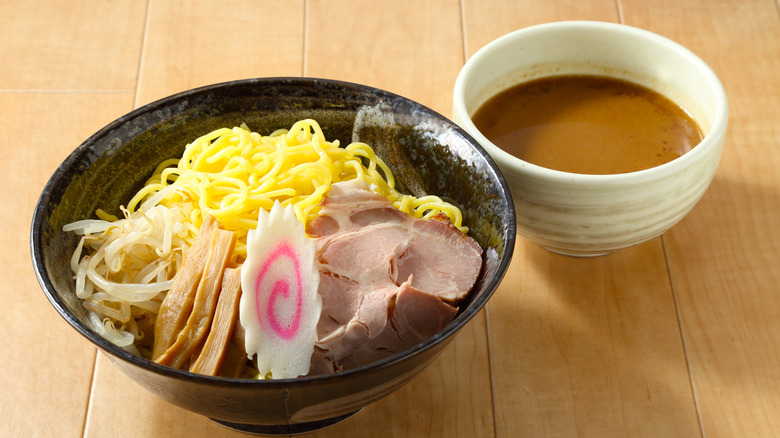
Rather than serving the noodles in a piping hot broth, this unique style of ramen, called tsukemen, serves thick, chewy and cold noodles on the side with a concentrated dipping sauce. The dipping sauce, called "tsukejiru," is intensely flavored with a seasoned base of dashi broth (which is also the foundation of old school miso soup), soy sauce, mirin, sugar, and katsuobushi (bonito flakes), resulting in a rich, slightly sweet, and umami-packed sauce that's much more concentrated than a typically hot ramen broth.
The dipping sauce can either be served hot or cold and is often accompanied by a few toppings such as sliced chashu, nori, scallions, lime wedges, and soft-boiled eggs. Similar to soba or udon, you are supposed to dip each noodle into the sauce bite by bite, slurping up the deliciousness and munching on the toppings on the side. It's perfect for a hot summer day when you want to eat something a bit on the lighter side and is an ideal alternative to piping hot bowls of ramen.
7. Jiro ramen
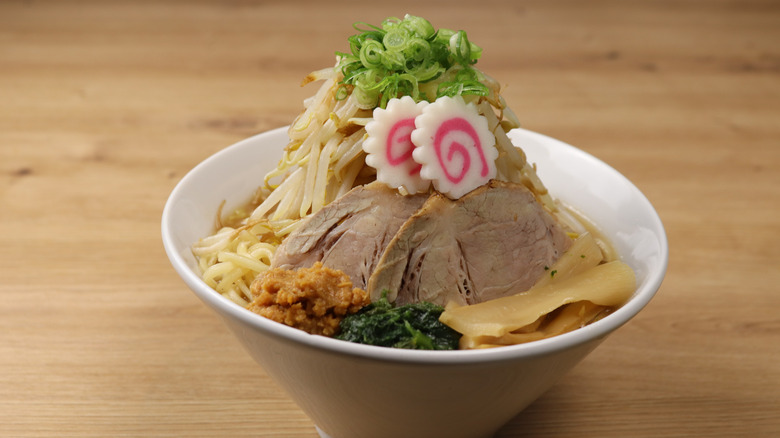
Jiro is a heavy, filling ramen style from Tokyo known for its intensely flavored pork broth, massive portion size, and cult following. This unique ramen features tonkotsu broth flavored with a heavily seasoned soy sauce-based tare with thick, curly, dense noodles that are designed to hold up against the rich broth. The noodles are often piled high, with some ramen bowls containing over 300 grams of fresh noodles (a typical ramen has about half that amount), and it doesn't stop there. This ramen also has thick and fatty slices of chashu, a mountain of steamed bean sprouts, green cabbage, and a generous scoop of fried garlic chips. Customers and dedicated fans dubbed "Jiroians" will order it with extra toppings of garlic, pork, or noodles, making the portion size even larger and more delicious.
This type of ramen originates from the famous Ramen Jiro shop in the Mita neighborhood in Tokyo, where you'll find hungry customers waiting in long lines, eager to conquer their first bowl of Jiro-style ramen. If you don't want to order the large portion, don't worry — you can order the small (sho) size and still get the authentic taste.
8. Sapporo ramen
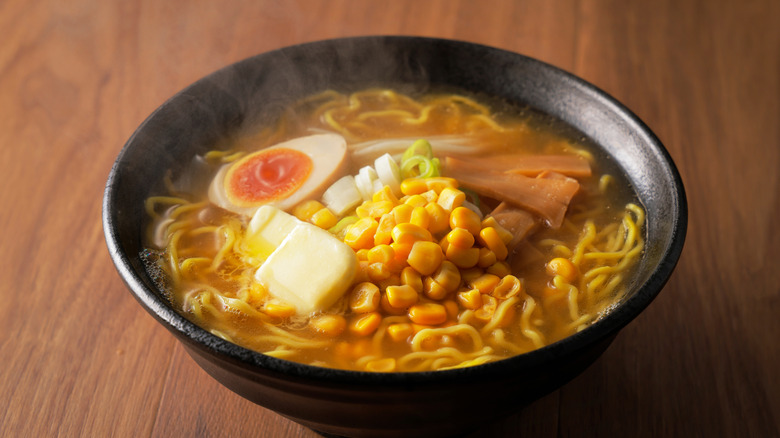
Originating from Sapporo, the capital of the Hokkaido Prefecture in Northern Japan, Sapporo ramen is a regional specialty featuring a rich, savory miso broth that's blended with lard and either tonkotsu or a chicken stock. This ramen uses chukamen noodles with a thick, curly shape that are designed to cling to the hearty miso broth. The broth is well-known for its "kotteri" (rich) flavor, and its unique toppings including sweet corn, stir-fried bean sprouts, green cabbage, onions, sliced chashu, scallions, and most importantly, a pat of Hokkaido-style salted butter.
Both butter and sweet corn are local specialties in Hokkaido, and in the 1960s, ramen chef Morito Ohmiya at the ramen house Aji no Sanpei incorporated these ingredients to add richness and warmth to the broth, suiting the region's cold climate. The butter slowly melts into the broth, making the miso flavor milder and adding a delicious milky depth of flavor.
9. Chintan ramen
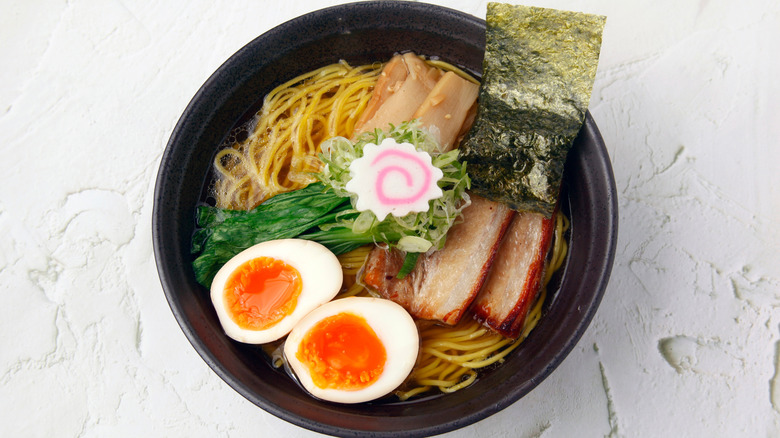
Chintan ramen features a light, clear, delicate broth made by slow-simmering chicken and pork bones with an array of aromatics and vegetables. Cooking the broth at a low temperature prevents the fat and collagen from emulsifying into the broth — unlike cloudy broths like tonkotsu, which uses a high-heat method to extract fat and collagen from the bones. This gentle simmer results in a broth with a clean, savory taste with subtle, complex flavors from the aromatics. This clean flavor makes it a great base broth for shio or shoyu ramen, offering a delicate, less heavy alternative to tonkotsu.
This style of ramen often uses chukamen noodles with a thin, straight shape and a whole wheat-based dough, offering an earthy, nutty flavor that perfectly complements the delicate broth. The toppings are quite minimal to prevent overwhelming the flavor of the broth, oftentimes just consisting of scallions, blanched spinach, bamboo shoots, nori, and sliced chashu.
10. Tokushima ramen
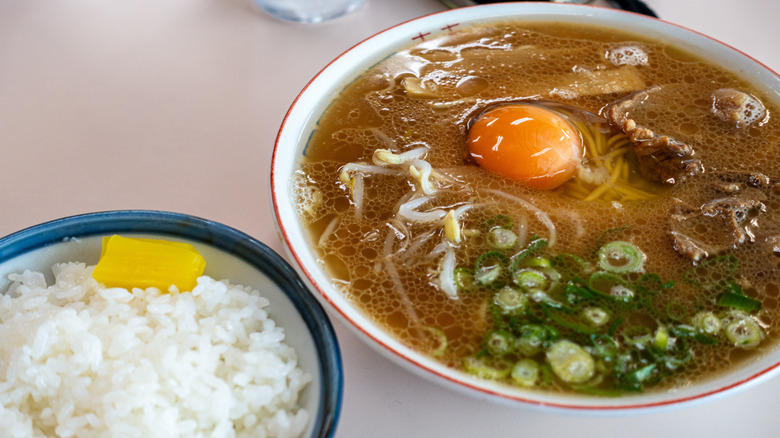
Tokushima ramen is a regional specialty from Tokushima Prefecture in Shikoku, Japan, and features a soy sauce-based broth that gives this dish a distinctive brown color and umami-rich flavor. It's topped with a signature sweet-boiled pork belly called "kakuni," stewed bean sprouts, scallions, and a raw or soft-boiled egg, creating a deliciously creamy texture when it's mixed into the broth. The ramen is served with a side of white rice, so you can eat it with the broth and eggs, adding an extra layer of savory depth.
This ramen is known for its three unique variations: dark brown (kuro), which is made from pork bones and dark soy sauce; yellow (ki), which is made from chicken bones and light soy sauce; and white (shiro), made from pork bones and light soy sauce, similar to tonkotsu. All of these broths are distinguished by their base broth ingredients and soy sauce type. They all have a similar style of noodle, featuring a thin, straight shape with a chewy and springy texture alongside adjacent toppings.
11. Kagoshima ramen
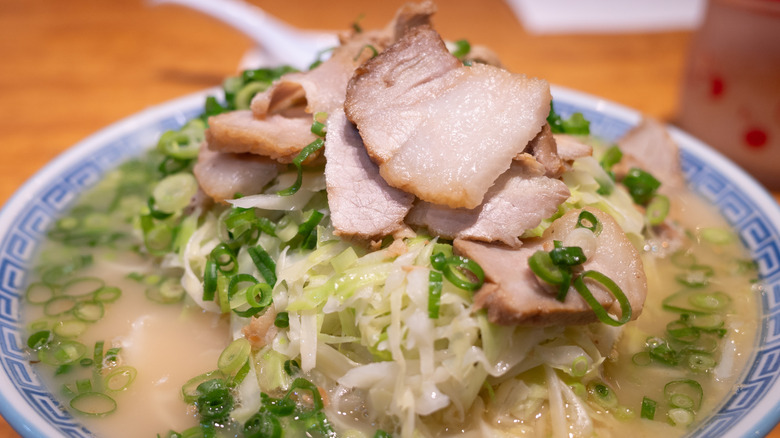
Kagoshima ramen is a cloudy tonkotsu-based broth enriched with chicken bones, dried mushrooms, vegetables, anchovies, and kombu for added umami flavor. The broth has a mild yet full-bodied pork flavor without being overly greasy or heavy. The ramen is typically topped with sliced char siu (Cantonese-style barbecue pork) or chashu, bamboo shoots, green cabbage, scallions, crispy fried onions, and scorched scallions. It's served with a side of pickled daikon radish to help cut through the richness of the broth and toppings.
Two types of noodles can be used in Kagoshima-style ramen: either thicker, egg-based noodles influenced by Okinawa or extra-thin noodles similar to Taiwanese vermicelli noodles. Both noodles are known for their soft texture that pairs wonderfully with the lightly flavored pork and chicken bone broth. This type is considered one of the only ramen in the Kyushu islands not influenced by the beloved kurume ramen, making it a unique regional specialty from Japan's southern Kagoshima Prefecture.
12. Kitakata ramen
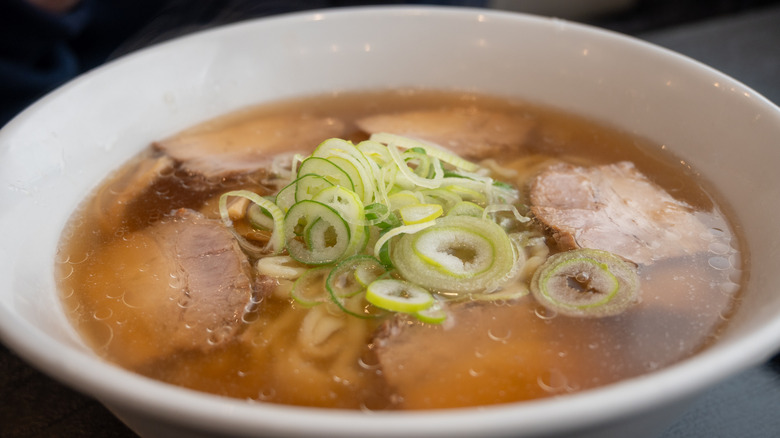
Kitakata ramen is a unique ramen from the city of Kitakata, in the prefecture of Fukushima, known for its unique thick, flat, curly noodles called "hirauchi jukusei takasuimen." These unique noodles have a high water content, giving them a super chewy and firm texture that perfectly holds the broth. The broth is made from a light, clear soy sauce base that's simmered with pork bones, chicken, and dried sardines for a delicate, savory and fishy flavor. The toppings are often quite simple, with just sliced chashu, scallions, bamboo shoots, soft-boiled egg, and sometimes shredded green cabbage.
The ramen is considered one of Japan's "big three," which refers to the three most popular regional ramen styles alongside Sapporo and Hakata, with the city of Kitakata having the most ramen shops per capita in Japan, according to Zoom Japan magazine. The city often hosts ramen-related events such as the Ramen Card Rally, where ramen fanatics collect cards from ramen houses to win various prizes.
13. Mazesoba ramen
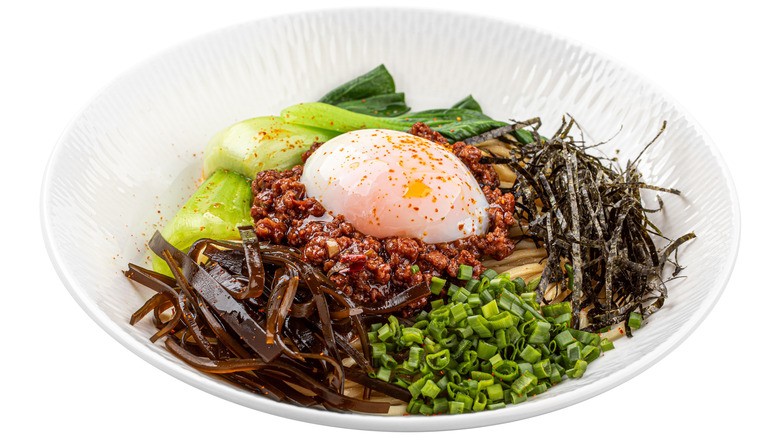
Mazesoba, or "mixed noodles," is a unique ramen dish that doesn't have any broth. The dish consists of thick, chewy wheat-based noodles mixed with seasoned minced pork, resulting in a rich, flavorful dish that will surely make any mouth water. It's flavored with umami-rich soy sauce-based tare and is traditionally topped with nori, scallions, bonito flakes, raw garlic, and often a runny egg yolk for added richness. It can also be topped with chili oil for a spicy kick or garlic-scallion oil for aromatic, savory depth.
The dish was first created by chef Naoto Niiyama at Menya Hanabi in Nagoya in 2008, who was inspired by the Taiwanese minced meat preparations. It was later popularized in Tokyo by chef Takuma Ishikawa, who adapted the dish and opened his own store called KOKORO. Since 2013, Ishikawa's mazesoba restaurant has turned into a global phenomenon that has expanded with over 70 locations around the world.
14. Hiyashi chuka ramen
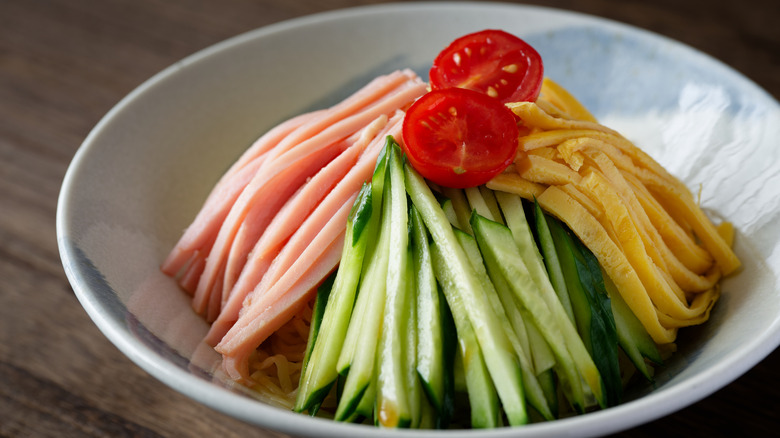
Hiyashi chuka is a popular cold noodle ramen dish, featuring chilled ramen noodles topped with julienned ingredients, including cucumber, ham, egg, and nori, all dressed with either a slightly sweet, tangy soy sauce-based sauce or a rich sesame paste. The toppings are usually neatly arranged in tight bundles over the noodles to showcase the array of colorful ingredients and julienne knife cuts (which are different than baton knife cuts). It's typically served alongside some pickled daikon radishes, pickled ginger, and most importantly, Japanese mustard called "karashi" for its contrasting sharp, spicy kick that helps cut through the sweetness of the sauce.
Hiyashi chuka has become a summer staple in Japan, inspired by Chinese cold noodle dishes that have been tailored to Japanese taste preferences by using ramen noodles and a slightly sweet soy sauce-based dressing. You can find hiyashi chuka being served just about everywhere in Japan during the summer months, especially in the Chinese noodle houses.
15. Onomichi ramen
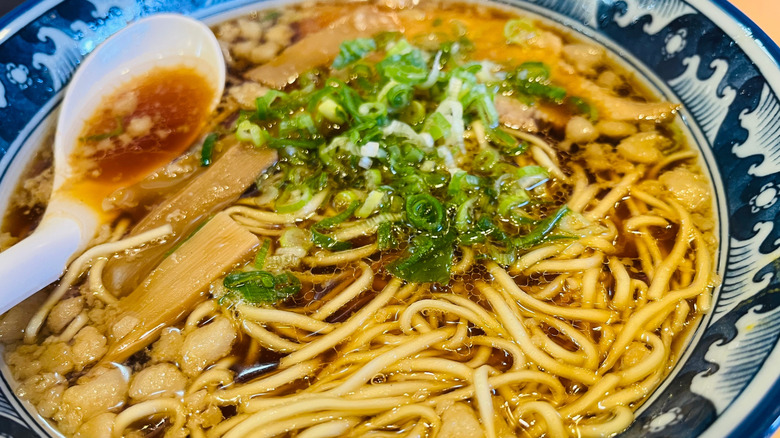
Last but not least, onomichi ramen is the local ramen from the city of Onomichi in the Hiroshima Prefecture that consists of a clear soy sauce-based broth enriched with dashi, chicken bones, and dried fish. The broth has a deep umami flavor with a slightly tangy, salty taste from the soy sauce. It's typically topped with a generous portion of pork back fat called "seabura" rather than chashu, giving a silky, fatty flavor. It's also topped with scallions and bamboo shoots with medium-thin, flat, springy wheat-based noodles.
This style of ramen evolved from the early Chinese noodle vendors in Onomichi city during the 1930s and later grew into the iconic dish it is today. One of the first onomichi ramen restaurants called Shukaen opened in 1947 and added modern ingredients such as braised pork and chewier Japanese-style ramen noodles, creating a type of ramen that's become a cornerstone of the city's culinary identity.