

10 Tips You Need When Cooking Lamb Chops
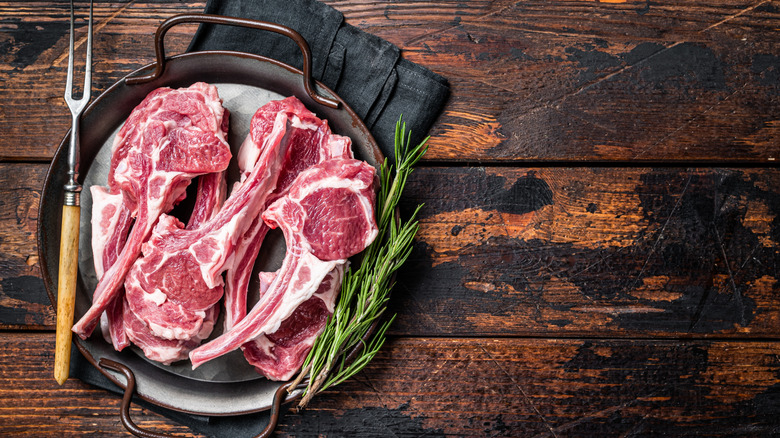
It's no secret that lamb isn't very popular as a protein in the U.S. According to a study published by Colorado State University, Americans eat less than a pound of it each year, but consume an average of 85 pounds of beef. That's a lot of hamburgers.
There are many reasons beef is a common choice in the U.S., but perhaps why lamb isn't as popular is a lack of knowledge about how to cook it. One might enjoy ordering a crusted rack of lamb at a nice restaurant, but cooking a cut with bones sticking out of it can be a bit more intimidating than the familiar ribeye. This, combined with a general distaste for gamey flavors and lamb's tendency to become tough and chewy when overcooked, seems to lead the population in other directions.
In my cooking career, I've studied cuisines that use a lot of lamb, namely Greek and Chinese. I've cleaned, marinated, and cooked more chops than I can count, and I'm here to share the 10 tips you need to cook this cut to achieve exactly the flavor and tender bite you're craving. Using this list, you won't need to visit a restaurant anymore to enjoy the flavors of lamb — you can enjoy them in the comfort of your home.
1. Choose your lamb according to diet
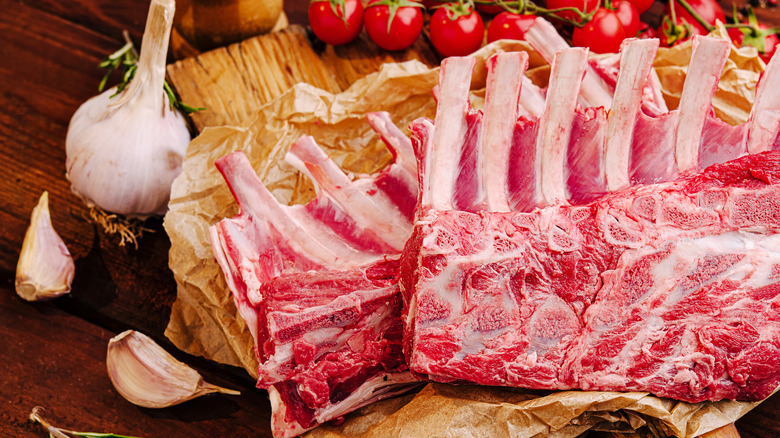
Lamb can be a bit of a controversial protein. Either people have had it cooked improperly and were turned off by how bland and hard to chew it was, or they found the flavor too gamey. When someone describes meat as tasting "gamey," they're really noticing a flavor that comes from the animal's diet. Animals that eat a lot of grass develop more earthy flavors in the meat. What an animal eats will dictate its flavor, which is one reason Wagyu cows are fed strict diets and sometimes even sake or beer.
With lamb, the diet also plays a role. Lambs raised in the U.S. are more than likely fed a diet that consists mainly of corn, a practice that speeds weight gain and makes the meat taste less earthy and sweeter. New Zealand lamb, on the other hand, is typically pasture-raised, which gives the meat its gamey flavor.
Sourcing your lamb accordingly is a critical part of enjoying the final product. If you're really turned off by the grassy flavor lamb can have when pasture-raised, look for something U.S.-raised. If you really don't mind, and prefer your lamb to be more sustainably raised, look for New Zealand lamb or, better yet, lamb that's been pasture-raised within the U.S.
2. Clean your own chops
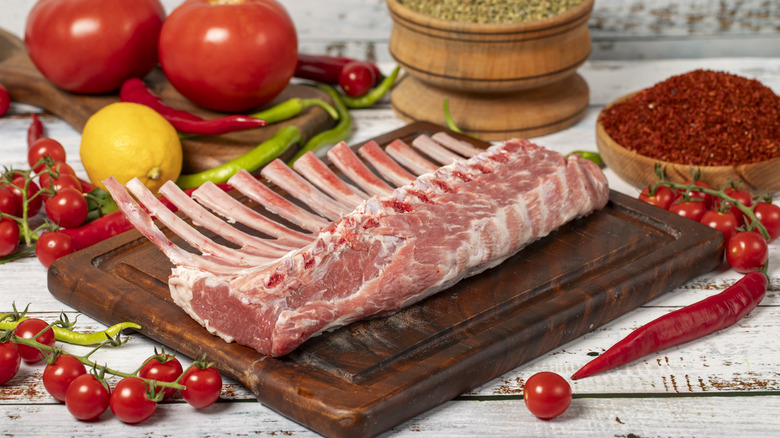
When purchasing lamb chops, it's pretty easy to find packages that are pre-cleaned, vacuum-sealed, and frozen. While convenient, the drawback to these packages is that the cuts are oftentimes very poorly done, and the meat can be squishy or soft from rough handling. Cleaning the rack of ribs yourself and portioning it into chops is a great way to ensure the quality you want. This logic comes from a chef with good knives and plenty of experience portioning meat, but to the home cook, it may sound intimidating. Don't let it scare you! If you enjoy cooking at home, half of the fun can be learning a new skill and adding a task to your repertoire.
Cleaning the rack yourself also has a few benefits. First, there's quite a bit of fat covering the back of the bones, which is cleaned off before individual chops are packaged. If you buy a whole rack, all of those delicious fat scraps can be rendered down and used for cooking other dishes, like pan-frying potatoes, grilling bread, or basting onto the chops as they cook for added flavor. Second, pre-cleaned, portioned, and packaged meat will have more time to oxidize. There's more exposed surface, which will begin to brown and dry. Cleaning the rack before you marinate and cook it means the meat will be that much fresher.
3. Let them marinate
One of the challenges to lamb, and why those who try it improperly-prepared may tell themselves they just don't like it, is the toughness. When cooked right, lamb is tender, flavorful, and the perfect protein to pair with bold spices, herbs, and acids. When improperly prepared, it's tough, hard to cut, hard to chew, and lifeless.
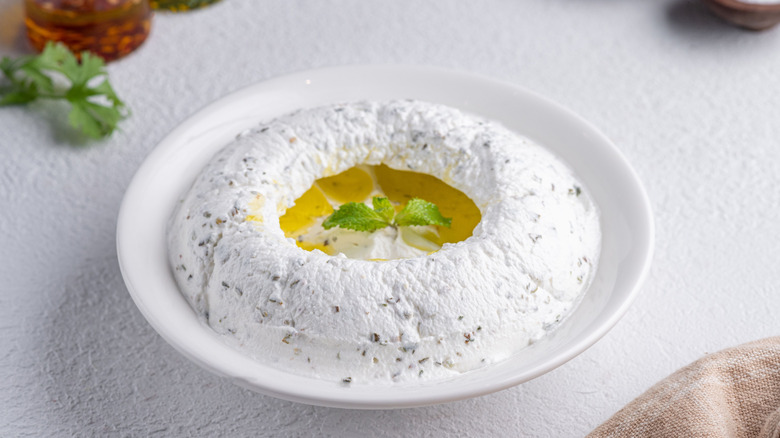
Largely, the perfect texture is achieved in how you cook it, but marination can also play a critical role in the final flavor and texture of your meat. At the Greek restaurant I worked in, we used a marinade of yogurt, olive oil, herbs, and a bit of lemon juice to tenderize our lamb chops. The lactic acid in the yogurt begins to break down tough proteins, making the lamb tender and juicy once cooked. Just make sure that with any marinade that has a lot of moisture (like yogurt), you pat the meat dry before cooking, lest you bring too much liquid to the pan and fail to get a good sear on the chop.
Yogurt is a delicious marinade, but if you're limited on ingredients or time, you can also just drizzle your prepared lamb chops in olive oil, a bit of lemon juice, and herbs for a few hours (or overnight) before cooking. The olive oil will help protect the meat from oxidation, transfer the herbs' flavor, and lock in moisture.
4. Don't be shy with the seasoning
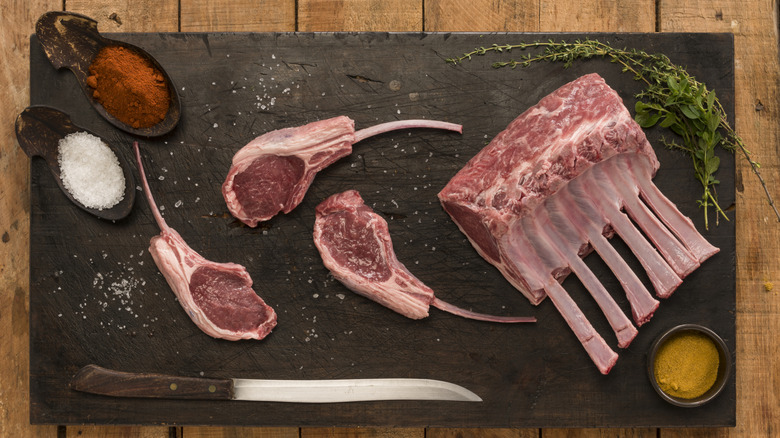
Probably the most common mistake home cooks make when trying to imitate a restaurant-level piece of meat is under-seasoning. It takes a surprising amount of salt to season a whole steak or a large lamb chop properly. The key is to make sure you're hitting every surface of the meat, even the narrow, uneven sides that are easy to forget. When you bite into it after cooking, you'll be thankful. Seasoning thoroughly ensures that every bit of cooked meat is mouthwatering and full of flavor.
To season, sprinkle your salt or seasoning blend from up high to create a more even spread. I love mixing salt with other spices that complement the lamb dish I'm cooking, such as paprika, Aleppo chili, cumin, or oregano. Just make sure your blend is mostly salt and that you're using enough, as that is the most important part of seasoning.
5. Pick the right pan
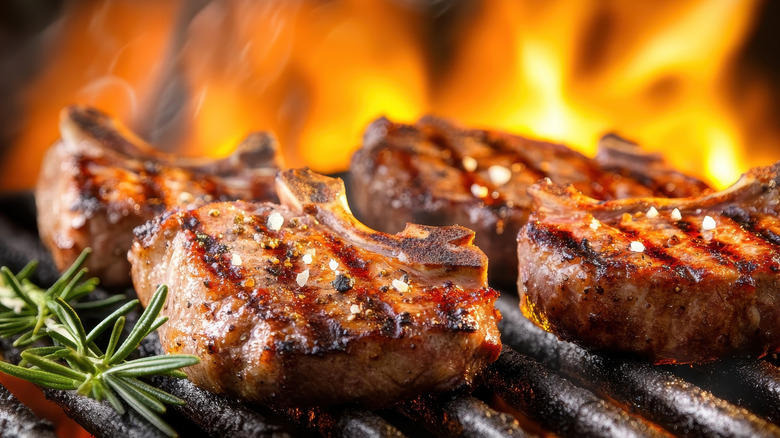
Choosing the right pan is an essential step in cooking, and when it comes to searing steaks, chicken breasts, or lamb chops, you need something that conducts heat well, like a cast-iron pan, a grill, or a heavy stainless-steel pan. Avoid nonstick pans, as they'll prevent that delicious caramelization and leave your chop bland. Having your surface super hot and well-oiled is essential to causing the Maillard reaction — a fancy name for the browning that occurs as you sear a piece of meat. Like Anne Burrell used to say, "brown food tastes good!"
Once you have a good, heavy pan, heat it to a sizzling temperature and use a good amount of oil or fat. If you've cleaned your own lamb racks and rendered those fat scraps, this would be a great time to bring it into play. Wait to see the oil in your pan thin as it heats, or dip a finger in water and flick a very small drop into the pan; if it sizzles and immediately evaporates, you're good to go.
6. Temper larger pieces
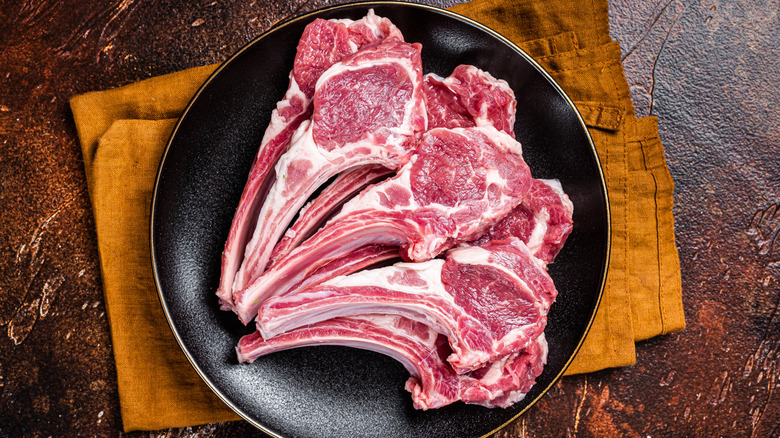
Most lamb chops are pretty small, but occasionally you might come across a surprisingly large chop that looks more like a whole steak than a small bite. For a larger piece of meat (think upwards of 4 ounces), you'll want to temper it to achieve a more even cook.
Tempering just means letting the meat sit outside the refrigerator for a short amount of time before you begin cooking, allowing the internal temperature to drop slightly so the whole piece cooks more evenly. We're talking 30 to 60 minutes, depending on the size of the meat, just long enough that it's not freezing cold when it hits the pan. This will allow the outside to get a nice, crispy brown color while the inside warms. A really cold piece of meat or, perish the thought, a frozen piece of meat, will end up with a cold, red center that doesn't match its browned exterior at all.
All of this to say, cooking perfect lamb chops requires a bit of planning and timing. An overnight marinade is ideal. While you gather your spice blends, heat up your pan, and put the finishing touches on your delicious sides, let that lamb sit on the counter for a bit to acclimate to its environment.
7. Cook with care
You've done all the prep leading up to this point. You've picked your lamb based on its diet for maximum flavor compatibility. You've cleaned, you've marinated, you've seasoned like a pro, you've got your cast iron sizzling hot, your lamb tempered — you're ready to go. The moment of truth! All that's left is to cook, baby, cook.
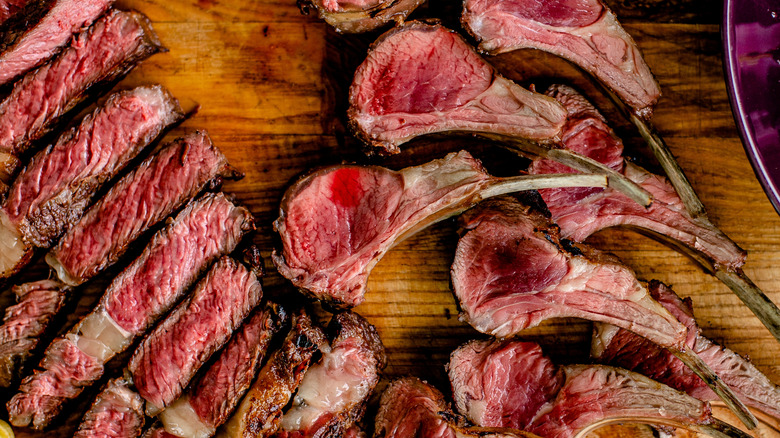
Two things to keep in mind: sear the chop evenly on both sides, and don't overcook it. Undercooking a lamb chop isn't as much of a concern — they're typically quite small, cook quickly, and lamb is better on the rare or medium-rare side anyway. Overcooked lamb, on the other hand, is tough, chewy, and dry. In short, it will waste all your hard work up until this point.
Using your super-hot pan, get a nice brown on each side, but don't let it linger too long. If you're using a thermometer to be sure, temp when the chop has cooked a minute or two on each side. You can also give it a good old-fashioned poke with your finger to see how firm or soft the meat is. You really don't want to cook a lamb chop past medium (it should have some bounce to it), and ideally, it will be more on the medium-rare side. If you typically only eat your meat well done, try cooking one chop well and the other medium to see which tastes better — you might be surprised.
8. Don't be afraid to use the oven
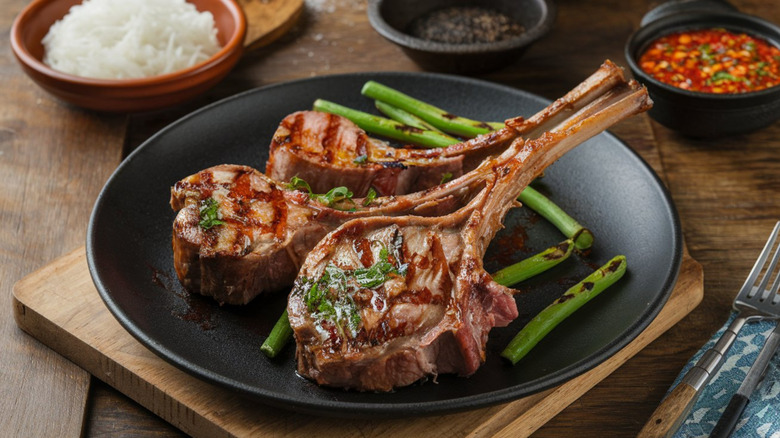
For the most part, lamb chops are pretty small, and you'll want several to fill your belly. Occasionally, though, especially in the case of those corn-fed American sheep, they can be hulking steaks with a bone protruding. If your lamb chop airs on the larger side and you're worried the center won't cook through without burning the outside, don't be afraid to bring the oven into play.
Turn your oven to 400 degrees and make sure it's preheated by the time you start cooking. You can turn it on when you pull your lamb to temper, about an hour before you start cooking, just to be sure.
To begin, sear one side of the larger chop fully before flipping and immediately transferring the pan to the oven (this is when a cast-iron or stainless-steel pan comes in handy, and you don't have to worry about a meltable handle). Cook the lamb in the oven for 4 to 5 minutes. The heat of the oven will help the whole piece cook through more evenly as the opposite side sears. Remove the pan, test the temperature (or give it a squeeze), finish searing any exposed edges, and move on to the next step.
9. Let your lamb rest
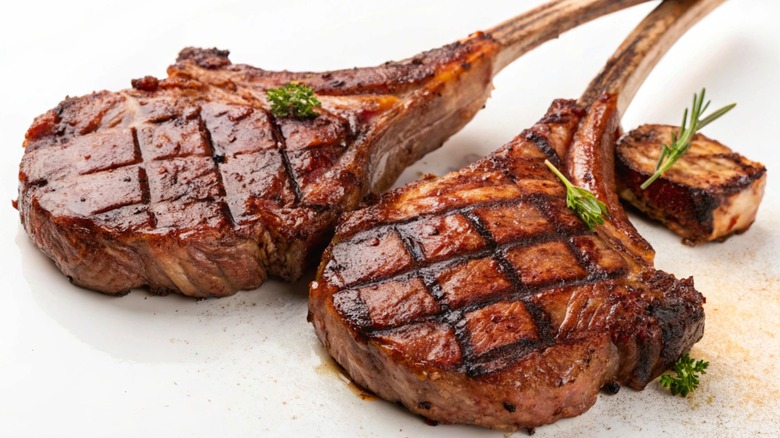
Your lamb chop has been through a lot. It's been soaked and dried, seasoned and cooked, and now it's every early-riser's favorite time of day: nap time. Remove your evenly cooked chop from the pan and let it rest on a clean cutting board or spare plate. Resting your lamb chop (note that this also applies to any piece of meat you cook) will allow the juices to relax into the meat rather than spilling all over your cutting board at the first premature chop. A few minutes of patience at the end of the process will yield an incredibly tender, flavorful result worth waiting for.
This short break will also give you time to turn off your oven, wipe the counters, and put the finishing touches on any sauces or sides you've prepared to enjoy with your expertly cooked lamb chops.
10. Choose your sides
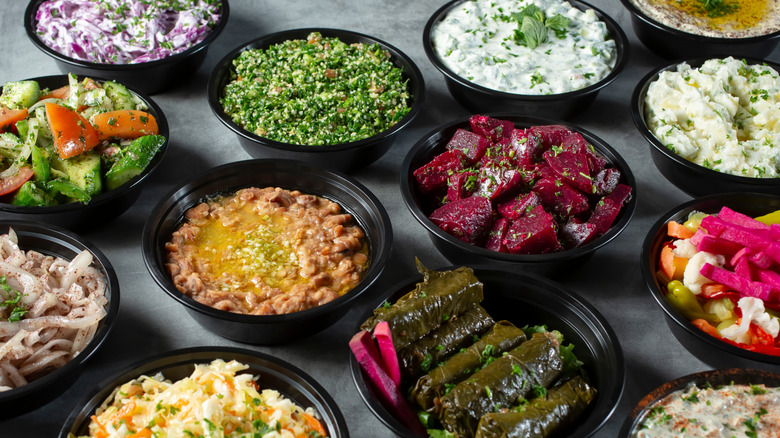
Any American could tell you lamb isn't nearly as common as steak in the U.S. It's consumed much more in parts of Asia, North Africa, and countries like Greece; thus, the flavor combos we know and love to pair with lamb come from these areas. If you're going for Mediterranean, think fresh, airy flavors like yogurt, mint, and oregano, and sides like salads and rice pilaf. If you want something richer, Chinese cumin lamb is a classic dish that brings together heavily spiced, aromatically seasoned meat with thin slices of celery for the perfect dance of rich and light.
The beauty of that earthy taste lamb garners is how it pairs with bold flavors. Whereas beef can get you stuck in a box, lamb is a fantastic protein to experiment with. Choose sides and sauces that will complement all the hard work you've put into making those perfectly seasoned and seared lamb chops.