

Why The Whiskey Industry Is Going Downhill (Sorry, Bourbon Fans)
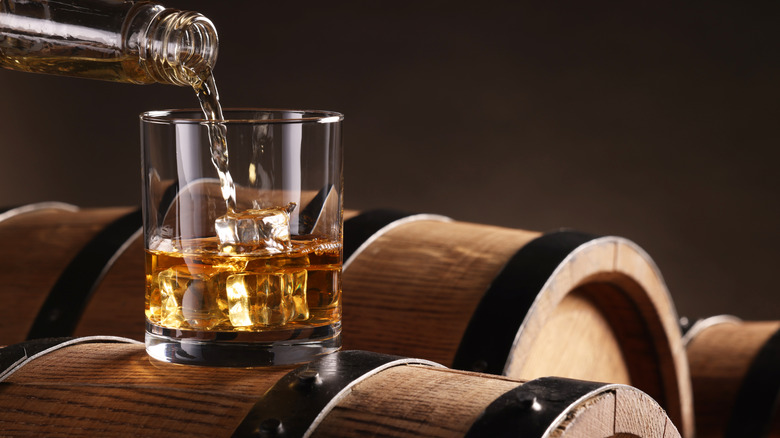
The whiskey industry seems to be taking a hit lately, and it isn't just because of Dry January. The industry has been affected not only by tariffs and global trade disruptions but also by rising production and labor costs, as well as a decrease in domestic sales. This has led to bankruptcies and closures that have left the future of the whiskey industry uncertain and bourbon lovers understandably worried. Jim Beam, one of the best-selling makers of bourbon, is the latest to announce a closure of its flagship distillery. The brand, which is halting production for the year at its Clermont, Kentucky, distillery, plans to take the time to make improvements to its facilities while it figures out its next moves.
Jim Beam's Clermont distillery is one of the top five bourbon production facilities in the country, which raises big concerns in terms of not only whiskey production but also for the job market. Luckily, the company has made it clear that employees affected by this shut down won't be laid off, but rather reassigned. With other distillery closures and bankruptcies, the downturn of the industry is unsettling. Brands such as McCallum & Sons Whiskey Co., Devil's River Distillery, House Spirits Distillery, and Boston Harbor Distillery all filed for bankruptcy early last year with plenty more following suit as the year went on.
Despite the industry's struggles, supply should remain strong — for now
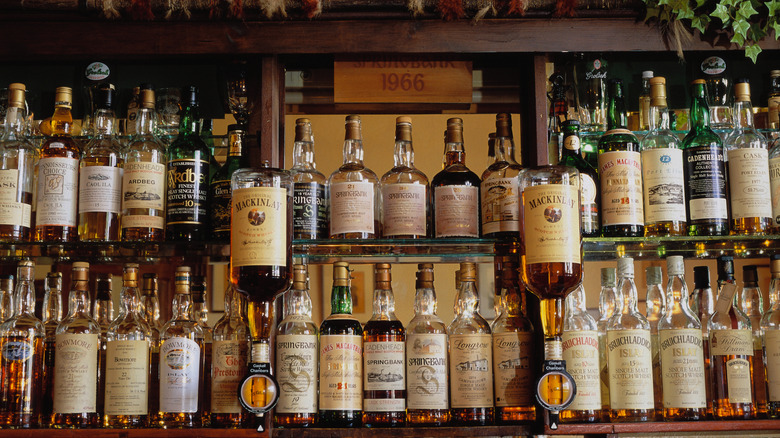
Bourbon takes a long time to age — at least four years. Although that sounds a bit daunting to someone worried about supplies running low with distilleries shutting down, it's important to keep in mind that an overabundance of supply is one of the reasons the industry is currently experiencing a slump. That means there is plenty to go around, so if you're craving an old-fashioned bourbon cocktail or a boozy bourbon milkshake, you can rest easy. And although Jim Beam has closed its flagship distillery in Clermont, it currently plans to keep its second distillery in Boston, Kentucky, up and running.
While some distilleries have simply shut down and liquidated all of their assets (no pun intended), Jim Beam is setting an example of industry innovation by using this slump as an opportunity to roll with the punches and change with the times. As the future of whiskey unfolds (thankfully supplied by barrels that were set to age several years before the industry started taking a hit), companies like Jim Beam will continue to evolve and adapt to the needs and habits of its customers and the industry itself.