

This Is Why The 30-Second Rule For Espresso Actually Matters
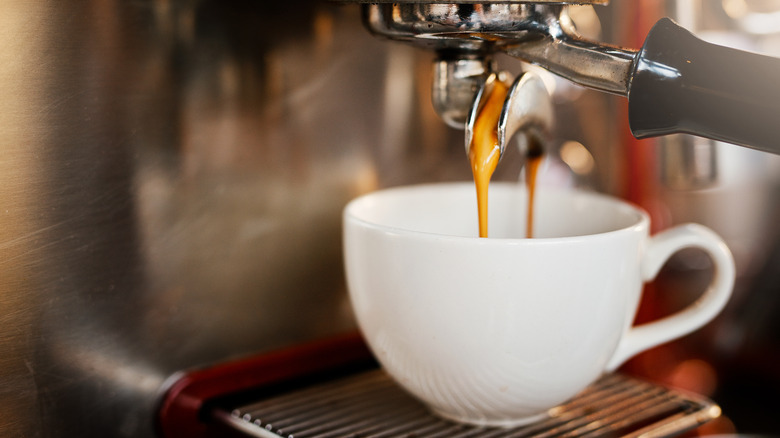
While it may seem easy to do, brewing the perfect espresso is an intricate craft. Even the smallest misstep can yield a lackluster serving that diminishes the aromatic notes of the coffee beans. Both espresso aficionados and novice coffee enthusiasts might notice that espresso at coffee shops tastes better than their homemade counterparts. This is due to multiple factors, some of which aren't to do with having a fancy espresso machine. One more crucial piece is the time taken to extract all the flavorful goodness from the coffee grounds.
There is a sweet spot for the time taken for the optimum espresso pull, and that lies between 25 and 30 seconds. Coffee contains a number of volatile compounds, including acids, oils, and sugars, which are responsible for imparting the complex flavor that is unique to coffee. They need sufficient time to be extracted from the coffee grounds and into the brew. Typically, 25 to 30 seconds ensures that the right amount of these compounds is extracted for a delectable and sophisticated sip. Anything less, and you may miss out on layers of complexity from the flavor compounds that wouldn't have had enough time to be completely extracted. Anything more, and you would over-extract compounds that could result in a bitter-tasting espresso. Time is also of the essence once you've prepared the shot of espresso, as there is a limited time window for maximum enjoyment.
Does the 30-second rule always hold up?
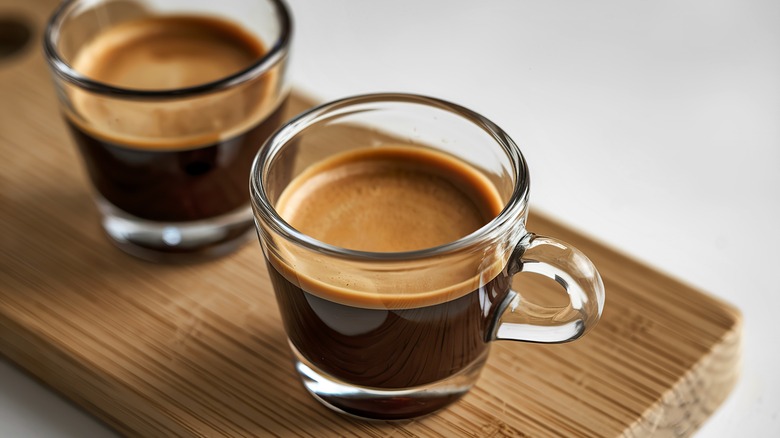
When it comes to a cup of espresso, which has a number of variables influencing the output, finding a universal rule of thumb is a rarity. Such is the case for the 30-second rule. While it's a useful guide for a general idea of how long it takes to pull a solid shot of espresso, there are elements other than time that are at play. For starters, the roast level of the coffee grounds matter. Lighter roasts, which tend to be denser and less soluble, will need more time to extract their signature notes. On the other hand, darker roasts are more soluble and might require less time to achieve the ideal flavor. Finer grounds, where the granules are tightly packed together, slow the water flow and increase extraction time, while the opposite holds true for coarse grounds.
The water's temperature also matters. There is an ongoing discourse among coffee connoisseurs on whether you should use scorching hot water for brewing coffee – and while the answer to that remains unclear, what's certain is that higher temperatures will extract the volatile compounds from the coffee much faster. In this case, 30 seconds might run the risk of pulling out some unpleasant bitterness from the coffee grounds. Additionally, the amount of coffee — which is known as the "dose" — is a key player. The higher the dose, the longer the extraction time for the final yield of espresso. Put simply, there might be some trial and error experimentation to figure out the right extraction time depending on these crucial components.