

The Damaging Kitchen Mistake You Could Be Making When Washing Produce
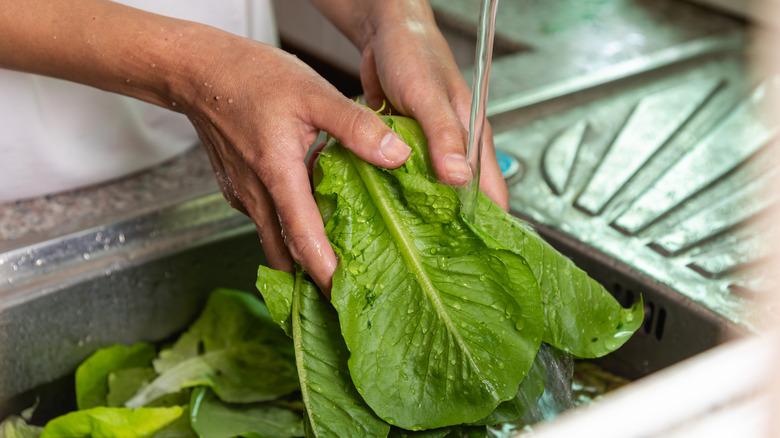
Out of every mundane kitchen routine, washing your fruit and vegetables probably feels like one of the most harmless — you just bring groceries home, rinse everything under the tap, and get on with cooking, right? But there's one small habit that could quietly be causing long-term problems, and it isn't the water itself. In fact, rinsing fruit and vegetables with regular tap water is absolutely fine for everyday cleaning.
The problem isn't how people wash produce, but what they let wash away with it. All those tiny plastic labels that are stuck to apples, avocados, lemons, and peppers are not biodegradable, so when they loosen under running water, they don't just disappear. They end up in your plumbing system, and overnight they can build up to act as a "net" that catches debris and restricts your water flow.
The frustrating part is that clogged sink drains caused by this are hard to diagnose — people tend to blame food scraps or oil, not something as small as a produce sticker. Even worse, these stickers are made from plastic, usually petroleum-based plastic or vinyl, that doesn't break down in our wastewater systems, meaning they also contribute to microplastic pollution once they leave your home.
Why produce stickers need to be kept out of the sink
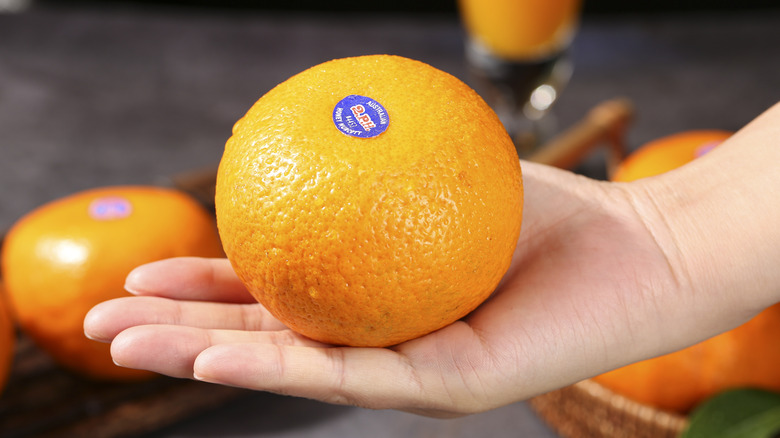
Produce stickers are designed to be durable things — they're water-resistant, highly adhesive, and tough enough to survive all the shipping and handling they go through before they reach the supermarket shelf. All of these qualities make them a nightmare for your plumbing system because once inside a drain, they will lodge themselves in bends and collect all the grease, organic matter, and debris that should be passing through. And neither chemical drain cleaners nor a baking soda and vinegar hack will help here, as they work to dissolve organic material, not plastic.
Save yourself the trouble by removing the sticker before rinsing your produce. A good trick is to place it somewhere visible, like the edge of the sink, so you remember to pop it in the trash (not the compost) later. If you've accidentally flushed one down the sink, there's no need to panic, this is more of an accumulative problem, and one isolated sticker may not cause any problems. Going forward, this is a small awareness and habit change that can protect your plumbing, reduce plastic pollution, and help prevent an everyday cooking routine from becoming an expensive repair down the line.