

8 Things You Should Buy When Visiting An Indian Grocery Store

We may receive a commission on purchases made from links.
Indian food is one of the treasures of the culinary world. Few cuisines have such fascinating flavors and prepare ingredients with such memorable techniques. There's something about going to a great Indian restaurant that opens your horizons. Indian dishes are truly addictive and worth seeking out; curries may suddenly invade your thoughts. Unfortunately, unless you have the proper ingredients at hand, Indian cuisine can be challenging to replicate in a home kitchen, especially if you don't have precise seasonings, which may not be easy to find. If you're lucky, you live in an area that has an Indian grocer.
Even as Indian restaurants become nearly as popular as Italian and Japanese shops in major metro areas, finding the right ingredients to make delicious Indian meals at home isn't easy. But what should you look for in an Indian grocery store that you won't be able to find in your typical supermarket? We've got you covered. These are the items to seek out whenever you find yourself among the tantalizing aromas of an Indian supermarket, which can help you make Indian food just as tasty as when you're in a great Indian restaurant.
Cumin seed
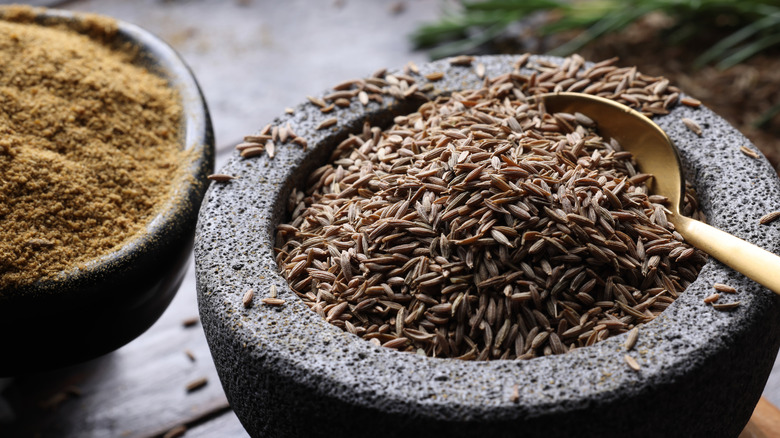
Cumin is one of the key spices you need for Indian dishes. Sometimes, it can be difficult to find, so pick up a bag of cumin seeds when you find them. Stay away from cumin in powder form, though, as the flavor dilutes over time (after roughly six months). You can dry roast the seeds in a pan for just a few minutes, then grind them to create a fresh powder.
Fenugreek leaves
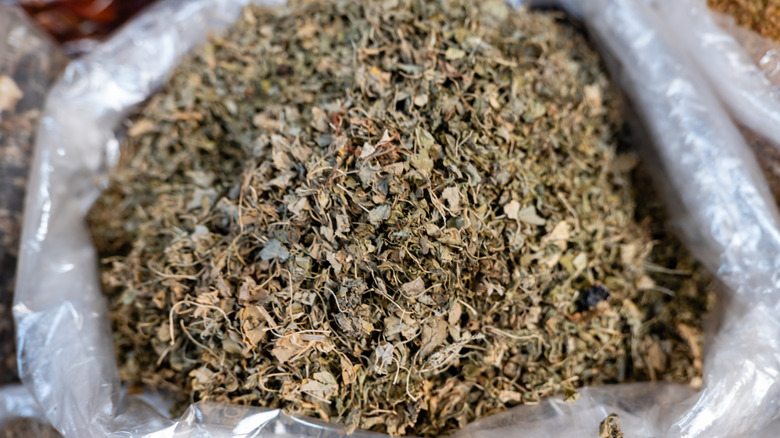
Dried fenugreek leaves are a staple in Indian cuisine and provide an umami-like flavor with hints of bitterness and sweetness. This is one of those ingredients that great Indian restaurants use. Beginners who try to tackle recipes without it are usually left scratching their heads as to why their meal doesn't taste exactly like a pro made it. Beware: Fresh fenugreek is quite hard to find but is amazingly tasty. If you can find it, aloo methi — potatoes and fenugreek, similar to a parsley and potato dish — is truly wonderful.
Kashmiri chilli powder
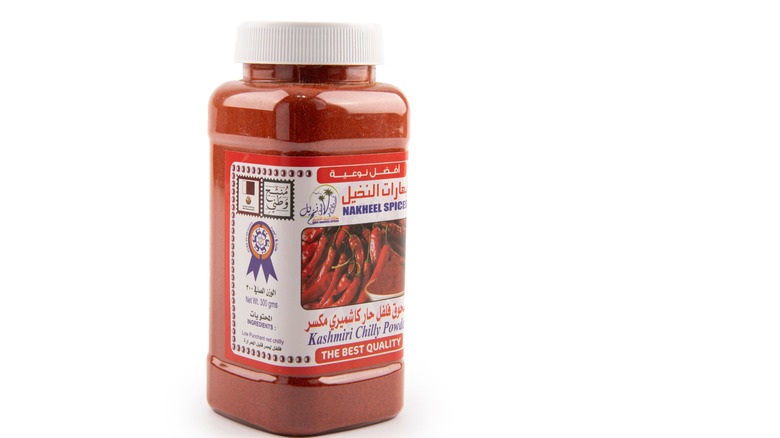
Kashmiri chilli powder is an important Indian spice and hard to replace with spices found in traditional grocery stores. It is made from the Kashmiri red chilli, which isn't very spicy, and has a light sweetness. This powder also adds a light red color to certain dishes that call for it, like tandoori paneer or tandoori chicken, butter chicken, and countless other recipes.
Asafoetida
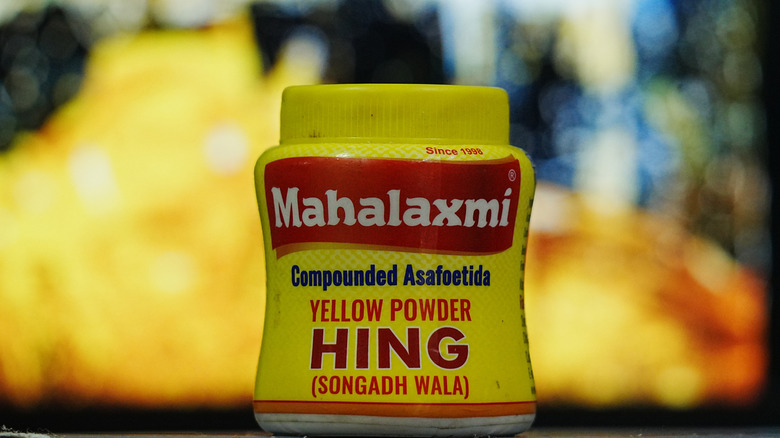
Asafoetida, a.k.a hing, provides funky flavor — in a good way — that is at the base of most Indian dishes. When you use just a touch of the powder dissolved in fat, it enhances many other flavors in your dish, like curry or caramelized onions, due to its pungent, onion-like profile — similar to how a pinch of salt brings out sweet and salty flavors. This is a must-have, and really hard to find outside specialty stores and Indian markets.
Urad dal
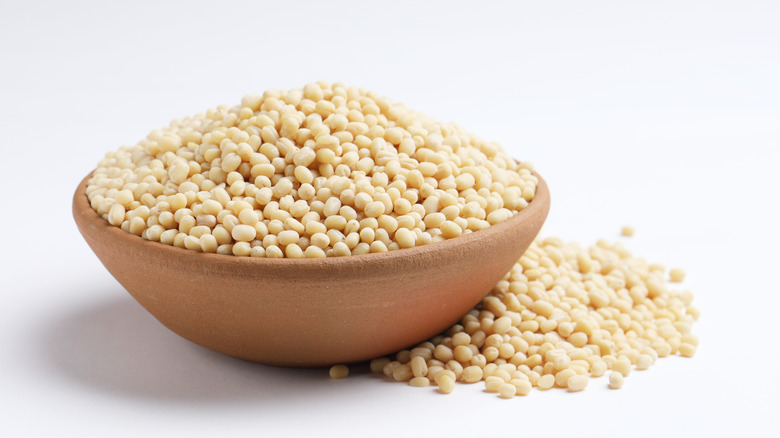
Urad dal is a pulse, specifically a black lentil, that is used as a base grain, or rice substitute, in quite a few showstopping Indian curries like masala or saag. It's surprisingly versatile and can also be served as a dip with naan bread. White urad dal, shown above, is a split white lentil, with or without the black skin attached, and is also a popular option for both sweet and savory dishes. Check out these expert-approved tips for making dal at home.
Curry leaves
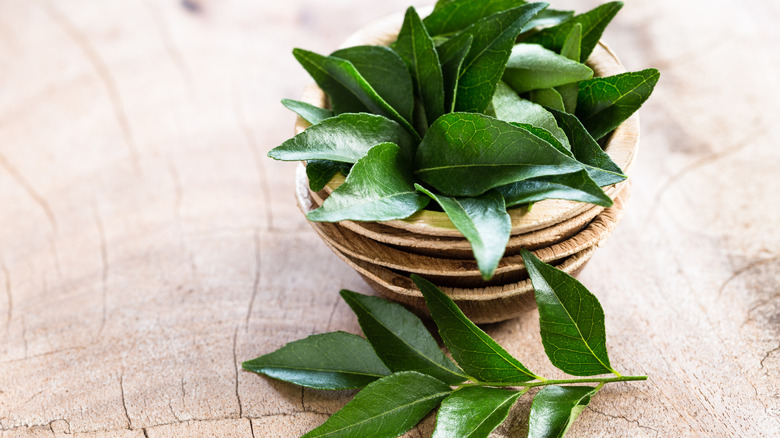
Fresh curry leaves are hard to find. You can order fresh curry leaves through Amazon, but they probably won't be the same after shipping. Occasionally, you can find them in hermetically sealed bags at the grocery store, but mostly you'll find the leaves frozen or in the form of an old standby: dried. But we think the frozen leaves taste pretty great.
Paneer
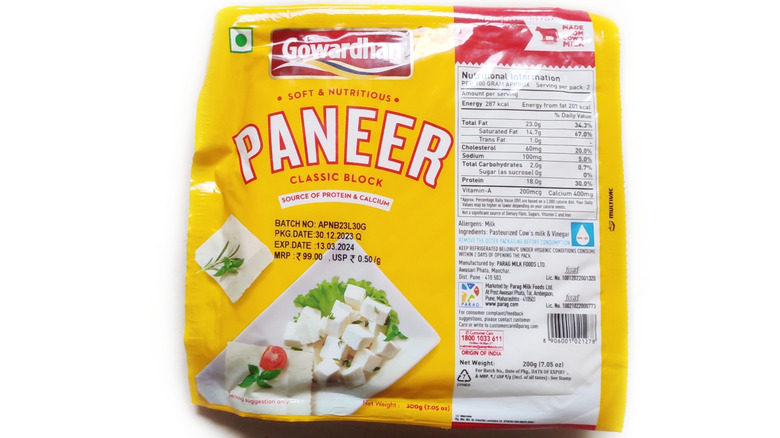
Paneer is cheaper to make at home with our 2-ingredient homemade paneer recipe, and you can control salt levels more easily. Still, once you find a perfect paneer manufacturer and get used to its texture and consistent presence in your dishes, it's simple to pick up a pack at your local Indian grocery store in order to add to meals. Just make sure you squeeze the block at the store to ensure it's soft and springs back. Fair warning: There's a lot of bad paneer out there.
Basmati rice
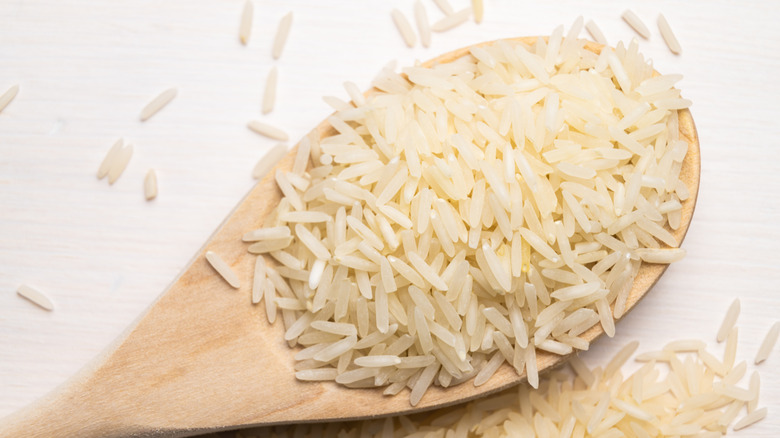
Basmati rice is popular enough that you may be able to find the good stuff at Whole Foods or on Amazon, like these manageable 2-pound bags from Royal. But there's something to be said about experimenting with brands available only at an Indian grocery store. Each brand has subtle differences in the grain.