

Why This Once Overlooked Grocery Store Aisle Is Now All The Rage

Food trends come and go. Fondue was all the rage in the 1970s, and quiche hit the 1980s harder than a dry-rotted shoulder pad. And just ask any elder millennial if they have a bacon pun T-shirt or sriracha keychain tucked in the back of their closet and watch them crumble. In recent years, however, a new food trend has taken over grocery store aisles: pickles.
One could say pickles are having a moment, but that would be underselling their palate-refreshing powers. It seems that pickles are entering their very own Age of Aquarius — but with more brine and less stargazing. The 2020s have seen a rise in pickle-flavored products available in grocery stores and restaurants. But nailing down when the Age of the Pickle began is more difficult than figuring out why they're so popular now. That's because pickled foods, both fermented and vinegar-based, aren't simply some food fad — they're a staple. Foods have been preserved through fermentation and vinegar pickling for thousands of years. And pickles have been a staple in American dining since colonial times.
Still, the 2020s have seen an undeniable turn toward brined, tangy, pickled foods. And pickles have been on the upswing for well over 10 years thanks to its popularity in the novelty market as well as its newly recognized status as a probiotic-rich, gut-healthy food. But we really have Gen Z to thank for the most recent and fervent pickle craze, as their love for all things tangy has made pickles an inescapable flavor phenomenon. Just look at the upswing in brine juice-infused drinks like pickle juice and Dr Pepper or even pickled lemonade.
What's behind the pickle boom
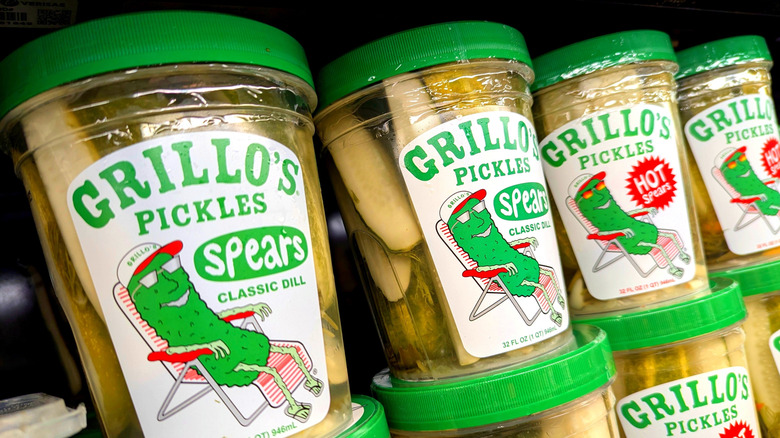
It's true that pickles transcend trendiness. This current hot streak for tangy, sour goodies will cool off, but pickles will continue to be stocked in pantries and refrigerators the world over. That being said, it is impossible not to acknowledge just how much more popular pickles have become in the 2020s. So how did we get here?
It probably started with the health benefits. Fermented pickles contain probiotics that can be beneficial for gut health. In the 2010s, fermented foods such as sauerkraut became the darlings of the online wellness community because of their supposed gut biome-boosting effects. This benefit is not shared by vinegar-based pickles. However, fermented pickles do have a probiotic content that has certainly proven to be a plus in recent years, especially among Gen Z and millennial consumers. These probiotic-containing foods and drinks, including probiotic and even prebiotic sodas, have become a grocery juggernaut.
The rising influence of Korean culture in the United States (especially among members of Gen Z) has led young foodies to become familiar with some of South Korea's many fermented staples, such as kimchi, gochujang, and doenjang. The growing popularity of these foods has thus made more fermented (and fermented pickles) palatable to foodies. Then there's the snack factor. With convenience-minded dining concepts such as "girl dinner" becoming mainstream, finger foods like pickles have risen beyond garnish into main course territory. But remember: If you want to pick a peck of probiotic-containing pickles, look to the refrigerated section and not the pickle aisle.