

Can You Eat Raw Green Beans?
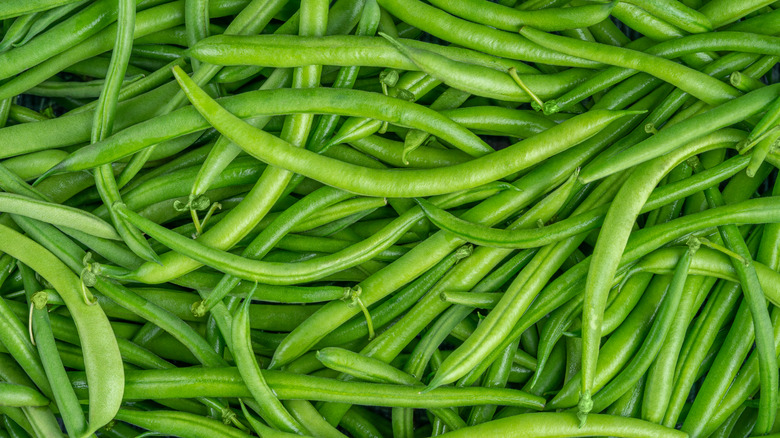
Raw green beans may seem like an easy, simple snack to mindlessly munch on. However, consuming too many raw green beans can cause nausea, diarrhea, and vomiting. That's because they actually contain lectins, a natural insecticide that is resistant to digestive enzymes. And while some green beans may contain more lectins than others, it's better to avoid raw green beans altogether to stay safe.
Of course, there are plenty of people online who claim they've eaten raw green beans by the handful without facing any of the toxic consequences — especially those who grow their own beans in a home garden. These people may have just gotten lucky or not eaten enough to make them sick. But you can guarantee that your meal will be safe if you cook or soak them, as this destroys any active lectins.
How to cook green beans and other nutritious vegetables
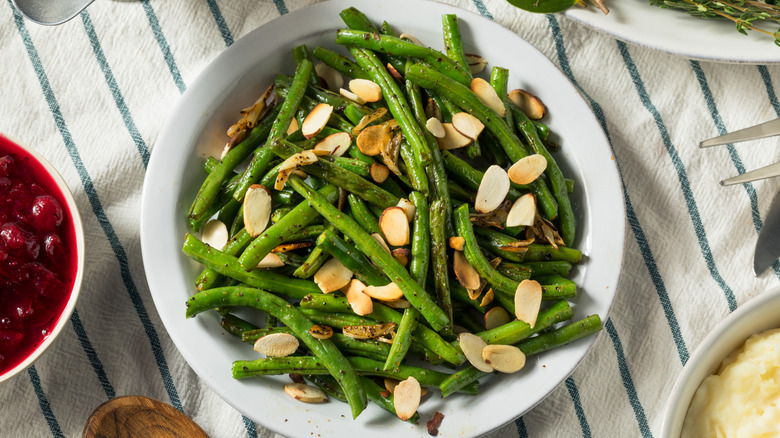
While you should avoid green beans when they're completely raw, cooked beans can provide many health benefits and are a great source of antioxidants like vitamin C, especially when baked or grilled. Green beans don't have to be boring, either — they can be a nutritious and delicious way to elevate everyday meals. You can throw them in an all-American green bean casserole, or try dousing them in some salsa for the easiest side dish ever. But if you just want some green beans, it's best to cook them with garlic, onion powder, and black pepper for some kick.
And if you're sick of green beans and want something new, there are also plenty of other high-protein vegetables you may be overlooking that can give your meal a nutritional flavor boost. Try asparagus, broccoli, or peas for a simple side and preserve their nutrients by steaming, roasting, or sautéing. You can also go all-out and opt for the healthiest vegetable in the world, the microgreen watercress. No matter what you choose, a cooked veggie can only do great things for your body and your bowl.