

How To Avoid Buying Artificially Flavored Cheese
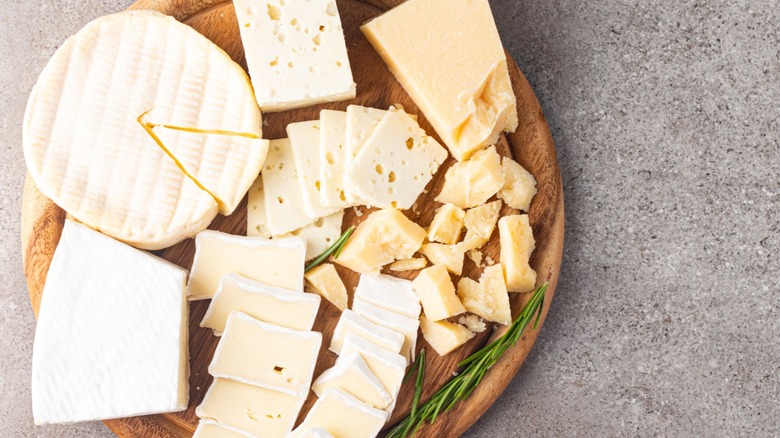
Cheese is a huge part of modern American diets, and beyond longtime favorites like nachos and grilled cheese, the rising popularity of charcuterie boards over the past decade has given even more reasons to explore different kinds of cheeses and their flavors. As you're exploring all those sharp, tangy, sweet, and earthy varieties, do you know whether you're actually tasting the cheese's natural, authentic flavors or artificial additives? We're not talking about processed, imitation cheeses or whatever American cheese is — we're talking about the average bag or block from the store.
Generally, the best way to avoid buying artificial cheese is to check the label for preservatives, flavorings, and other ingredients besides milk, cultures, or cheese itself. However, there's some nuance for what's considered real or artificial, so it can be tricky to avoid buying cheese that contains more than its natural flavors. Just as it's important to be able to tell when a cheese is considered fresh, knowing what to look for on ingredient labels, not to mention understanding what "artificially flavored" actually means, will help prevent cheese-buyer's remorse.
What exactly is artificially flavored cheese?
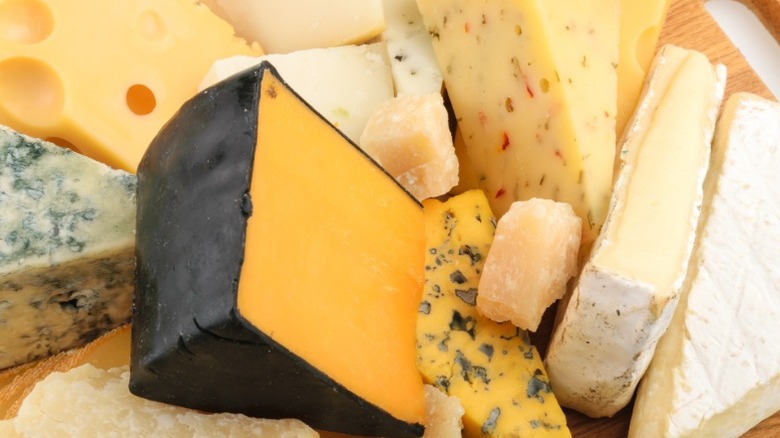
Natural cheese is a curdled dairy product, usually made by introducing rennet (a set of enzymes) to milk, with its final flavor being determined both by the type of animal it comes from as well as the specific aging processes used. Mold is introduced to develop certain varieties, while other ingredients like berries may be added as well for further flavoring. Processed cheese is a natural cheese that has been transformed with emulsifiers, stabilizers, and other additives to increase shelf life and smooth out texture. Imitation cheeses aren't real cheese at all — they're non-dairy substances designed to mimic it.
Here's where things really get confusing: Natural, processed, and imitation cheeses can all technically contain artificial flavorings. Unlike animal by-products, mold, or plant ingredients, artificial cheese flavorings are synthetically produced by humans. These components aren't as common in natural cheese, but it's worth keeping an eye out for them in any cheese you're considering buying.
Signs that a cheese is artificially flavored
Artificial cheese can be one of the worst additions to your charcuterie board, so the first thing you should do before buying any cheese is take a close look at its label. The inclusion of artificial flavoring may be more or less obvious depending on the type of cheese and the brand. Because processed cheese does typically contain some level of natural cheese, it may say something like "made with real cheese" on the label despite also containing significant amounts of additives and artificial flavors.
Some cheese packages will have "contains artificial flavoring" or "artificially flavored" right on the front, while others may only have these components subtly listed among their ingredient lists. Some labels might not clearly specify if something is artificial. In this case, be on the lookout for ingredients such as flavoring, a long chemical name, or simply a lengthy ingredient list with unrecognizable items.
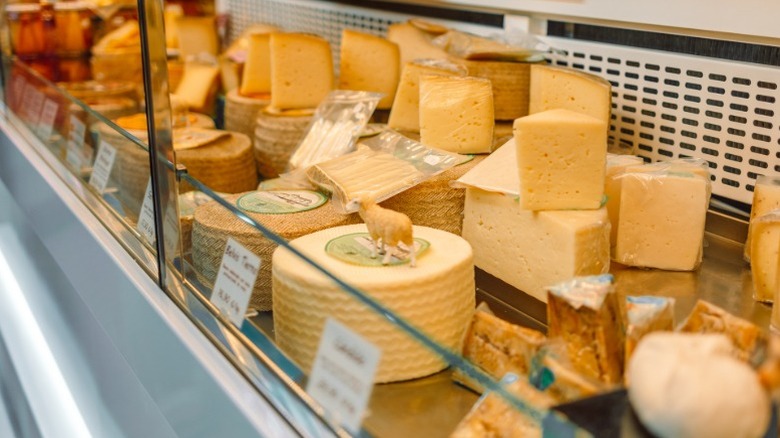
Instead, look for short, straightforward ingredient lists with recognizable items like real milk and cultures. Sticking with small batch, artisanal cheeses (from your grocery store's deli counter or specialty cheese section, if available) is usually a good place to start, but don't buy until you read their labels carefully as well. If a package says it's organic or "100% real" cheese, that's usually a good sign too. Authentic cheese also tends to have a more natural-smelling aroma and color. If it looks or smells chemically enhanced, there's a good chance you won't enjoy its flavor.