

The Telltale Sign It's Time To Replace Your Toaster Oven
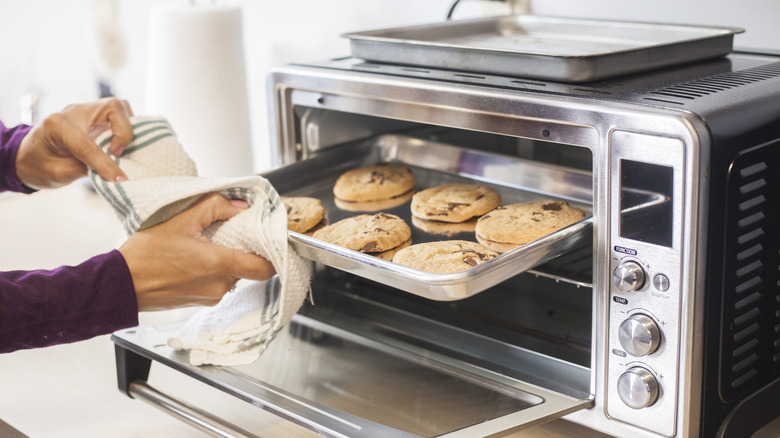
Toaster ovens have been around since the early 1900s. They took the idea of the toaster and improved upon it, eventually developing into something that lets us make a wide range of unexpectedly good meals, not to mention plain old toast, without having to use the oven.
But sadly, kitchen appliances like toasters don't last forever. Eventually they simply conk out and you've got to replace them. But sometimes you shouldn't even wait that long to do so, especially when it comes to your toaster oven. That doesn't mean you need to run out and replace yours with the best toaster oven money can buy every year. Instead, you'll want to watch for a telltale sign that lets you know if you should put your appliance out to pasture or keep it around like a faithful old friend. That sign is uneven or slower than usual toasting.
A good-quality toaster oven that's cared for properly can be expected to last anywhere from five to 10 years, but even if it is still working, it may start to perform inconsistently, heat unevenly, and take longer to toast your bread. These are signs of electrical issues, which could spell potential trouble if ignored. If there is a problem with the electrical components, your appliance may be at risk of overheating or worse, catching fire, so if you start to notice this happening, it might be time to shop for a replacement or take it in for repair.
Identifying additional risks and avoiding potential problems
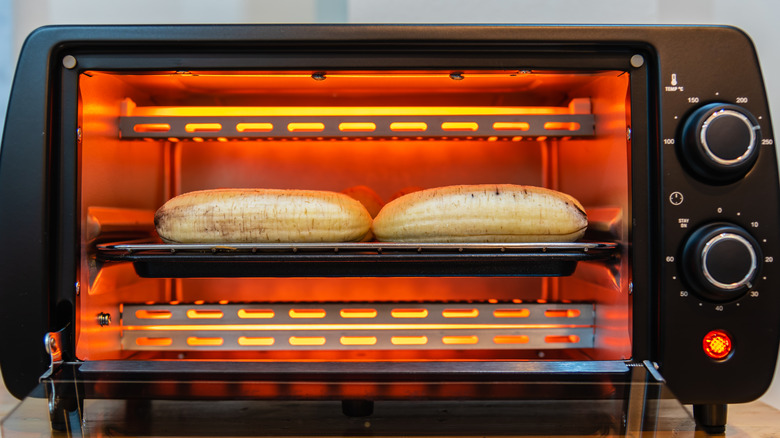
Cooking was the leading cause of house fires from 2017 to 2021 per the National Fire Protection Association, making appliance safety a big priority. Properly maintaining your toaster oven can keep things from going awry and help extend its life. Simply keeping it clean will go a long way — all those crumbs that accumulate on the tray at the bottom of the toaster oven are a fire waiting to happen if they build up and get too hot. This is actually one of the most overlooked fire hazards in a kitchen. Take the time to regularly empty the crumb tray, wash the racks with mild soap, and gently wipe down the insides with a damp cloth (but don't spray harsh chemicals inside).
There are other indicators of potential problems with your toaster oven, some of which require more attention than others. A cracked door, for example, is not just an aesthetic issue; it could also allow heat to escape from the toaster oven and prevent food from cooking properly. Another biggie to watch out for is rust on the inside of your toaster oven, which builds up when the metal reacts with heat and moisture. Eventually, it can break off into your food, which isn't exactly poisonous but can pose a health risk for certain conditions. Nevertheless, it is still unpleasant to eat and, if it breaks off in sharp chunks, the rough edges can cause damage to the insides of your mouth. Consider implementing a regular cleaning and inspection routine for your toaster oven so you can head off issues before they become major problems, but once they do, it's best to replace the appliance.